




Program Agenda
Agenda is subject to change.
Program At-A-Glance
- Sunday, June 14 | Pre-conference Training Sessions, Meetings, and Welcome Reception
- Monday, June 15 | Conference Day 1, Sponsor Showcase Reception
- Tuesday, June 16 | Conference Day 2, FIRST CORE Track
- Wednesday, June 17 | Conference Day 3, Conference Social
- Thursday, June 18 | Conference Day 4
- Friday, June 19 | Conference Day 5
Registration Hours & Location
- Registration will be held the Plaza Foyer and available Sunday through Friday.
Hours are as follows and subject to change:
- Sunday - Training Only | 07:00-09:00
- Sunday - All Delegates | 13:00-20:00
- Monday | 07:30-16:30
- Tuesday | 08:00-16:30
- Wednesday | 08:00-16:30
- Thursday | 08:00-16:30
- Friday | 07:30-12:00
If you have any questions, please contact the Event Office via email at events@first.org.
Plenary (Plaza ABC)
Social Activity
Plenary (Plaza ABC)
Track 1 (Plaza ABC)
Track 2 (Plaza E)
Track 3 (Plaza F)
SIG Meetings (Plaza Court 8)
Plenary (Plaza ABC)
Track 1 (Plaza ABC)
Track 2 (Plaza E)
Track 3 (Plaza F)
FIRST CORE (Gov Sq 15)
SIG Meetings (Plaza Court 8)
Plenary (Plaza ABC)
Track 1 (Plaza ABC)
Track 2 (Plaza E)
Track 3 (Plaza F)
SIG Meetings (Plaza Court 8)
Plenary (Plaza ABC)
Track 1 (Plaza ABC)
Track 2 (Plaza E)
Track 3 (Plaza F)
SIG Meetings (Plaza Court 8)
Plenary (Plaza ABC)
Track 1 (Plaza ABC)
Track 2 (Plaza E)
Track 3 (Plaza F)
Sunday, June 14th
| Plenary (Plaza ABC) | Social Activity | |
|---|---|---|
| 17:30 – 18:00 | TLP:CLEAR | |
| 18:00 – 20:00 | Welcome Reception in Plaza Foyer TLP:CLEAR |
Monday, June 15th
| Plenary (Plaza ABC) | Track 1 (Plaza ABC) | Track 2 (Plaza E) | Track 3 (Plaza F) | SIG Meetings (Plaza Court 8) | |
|---|---|---|---|---|---|
| 08:00 – 09:00 | Continental Breakfast TLP:CLEAR | ||||
| 09:00 – 09:30 | Conference Welcome Remarks TLP:CLEAR | ||||
| 09:30 – 10:30 | US Monday Keynote: Perseverance, Growth and Success. The Sunburst Story from the CISO perspective. Tim Brown (Team8, US) TLP:CLEAR | ||||
| 10:30 – 11:00 | Networking Break TLP:CLEAR | ||||
| 11:00 – 11:35 | US Mind Over Malware: Reducing Decision Fatigue in Incident Response Teams John Hollenberger (Fortinet, US) TLP:CLEAR | US Brian DeWyngaert (CISA, US) TLP:CLEAR | PT Everything Everywhere All at Once…in 2038 Pedro Umbelino (Liaison, PT) TLP:CLEAR 11:00 – 11:45 | Vulnerability Coordination SIG (11:00-12:00) TLP:CLEAR 11:00 – 12:25 | |
| 11:50 – 12:25 | US Disparate Data, Distorted Decisions: Vendor Data Bias in CTI Eli Woodward (Team Cymru, US) TLP:CLEAR | JP TW Yuki Osawa (Panasonic Holdings Corporation, JP); Chih-Hsiang Chang (Panasonic Cyber Security Lab, TW) TLP:CLEAR | IL From Discovery to Fix: What 10,000 Open Source Projects Reveal About CVE Remediation Mor Weinberger (Echo, IL) TLP:CLEAR | ||
| 12:25 – 14:00 | Lunch Break TLP:CLEAR | ||||
| 14:00 – 14:35 | JP Yoshiki Sugiura (NTT-CERT, JP) TLP:CLEAR | US From CVD to Secure Releases: Automating Security from Source to Releases Vijay Sarvepalli (Software Engineering Institute, US); Christopher Cullen (CMU Software Engineering Institute, US) TLP:CLEAR | US Cl0p^_- Til You Drop - Analysis of 6 Years of Campaigns Eli Woodward (Team Cymru, US) TLP:GREEN | SecLounge SIG - Closed Meeting (14:00-15:00) TLP:RED 14:00 – 15:25 | |
| 14:40 – 15:25 | US GB Tod Eberle (The Shadowserver Foundation, US); Adam Diament (Defense Criminal Investigative Service (DCIS), US); Stu W (NCSC, GB); Stewart Garrick (Shadowserver, GB); Chris Butera (CISA) TLP:CLEAR | US A Researcher Centric Approach to Coordinated Vulnerability Disclosure Patrick Garrity (VulnCheck, US) TLP:CLEAR | FI Benchmarking Your Constituency: A Practical Framework for CERTs with Results from Academic Sector Juha Haaga (Arctic Security, FI) TLP:CLEAR | ||
| 15:25 – 15:55 | Networking Break TLP:CLEAR | ||||
| 16:00 – 17:15 | Annual General Meeting (AGM) TLP:CLEAR | ||||
| 17:30 – 19:30 | Sponsor Showcase Reception TLP:CLEAR | ||||
Tuesday, June 16th
| Plenary (Plaza ABC) | Track 1 (Plaza ABC) | Track 2 (Plaza E) | Track 3 (Plaza F) | FIRST CORE (Gov Sq 15) | SIG Meetings (Plaza Court 8) | |
|---|---|---|---|---|---|---|
| 08:00 – 09:00 | Continental Breakfast TLP:CLEAR | |||||
| 09:00 – 09:35 | TW Hack Your Board's Mindset: Closing the Strategy-Operations Gap via Board Game Simulations Yi-Hsien Chen (CyCraft Technology, TW) TLP:CLEAR | GR LT Standing Strong in a Cyber Crisis: The Assurance Every Organization Must Have Andrea Dufkova (ENISA, GR); Vilius Benetis (NRD Cyber Security, LT) TLP:GREEN | TW Short Videos, Crypto, and Crime: Inside the Chinese-Speaking Malware Ecosystem Linda Kuo, Li-An Huang (TeamT5, TW) TLP:GREEN | CA Cloud Under Siege: A War Room Briefing on Advanced Persistent Threats Targeting Cloud Environments Hossein Jazi, Douglas Santos (Fortinet, CA) TLP:CLEAR 09:00 – 10:15 | TLP:CLEAR 09:00 – 10:15 | |
| 09:40 – 10:15 | NZ Threats are Climbing - How to Elevate Your Tabletop Exercises to Meet Them Tim Myers (NCSC NZ, NZ) TLP:GREEN | US Stripe's Insider Threat Common Controls Framework Shauna Stoeger, Josh Covey (Stripe, US) TLP:GREEN 09:40 – 10:25 | CA Syndicate: The Life of a Ransomware Affiliate Tammy Harper (Flare, CA) TLP:GREEN 09:40 – 10:25 | |||
| 10:25 – 10:55 | Networking Break TLP:CLEAR | |||||
| 10:55 – 11:40 | US Daniel Gordon (US) TLP:GREEN | PL NL Marcin Fronczak (Cybersecurity Foundation, PL); Miroslaw Maj (Open CSIRT Foundation, NL) TLP:CLEAR | TH Understanding Scammer Threats: Detection Strategies Aligned with Thailand’s Cybersecurity Act 2562 (Major General) Teerawut Wittayakorn (NCSA, TH); Saichon Saelee (NCSA, Director of Cyber Coordination office, TH) TLP:CLEAR | KE From Trust to Capability: Field Lessons from FIRST’s Regional Liaison Program in Africa Lawrence Muchilwa (Forum of Incident Response and Security Teams, KE) TLP:CLEAR | Vulnerability Reporting and Data eXchange SIG (11:00-12:00) TLP:CLEAR 10:55 – 12:20 | |
| 11:45 – 12:20 | US The SOC Of The Future… The Future Is Now Carson Zimmerman (Microsoft, US) TLP:CLEAR | PL From Internet Noise to Cyber Intelligence: Lessons from a Network Telescope Jan Adamski, Marcin Rytel (NASK - National Research Institute, PL); Paweł Pawliński (CERT.PL / NASK - National Research Institute, PL) TLP:GREEN | DE Sliding into the Enemy’s DMs: Detecting SaaS-Backed Malware C2 Patrick Staubmann (VMRay GmbH, DE) TLP:AMBER | TT Reimagining Interactive Training Tools Rick Logan-Stanford (Trinidad and Tobago Cyber Security Incident Response Team, TT) TLP:CLEAR | ||
| 12:20 – 13:45 | Lunch Break TLP:CLEAR | |||||
| 13:45 – 14:30 | CA Sysmon Deep Dive: Real Detection Scenarios You Can Reproduce Peter Morin (PwC, CA) TLP:CLEAR | JP Aya Ohara (SimpleForm, Inc., JP); Kaori Fukuda (DNV Business Assurance Japan, JP); Ikuya Hayashi (NTT-CERT, JP) TLP:CLEAR | PL How to Detect and Block over 300 Thousands of Malicious Domains Krzysztof Zając (CERT PL, PL) TLP:AMBER | PH George Tardio (CERT-PH, PH) TLP:CLEAR | Information Exchange Policy SIG (14:00-15:00) TLP:CLEAR 13:45 – 15:10 | |
| 14:35 – 15:10 | FR TG MZ NA KE US Panel: Tips and Tricks to Run a CSIRT in Low-income and Fragile Contexts Ghislain de Salins (World Bank, FR); Palakiyem Assih (CERT.tg, TG); Sergio Guivala (National Institute of Information and communication Technology (INTIC), MZ); Thank-You Hauwanga (Namibian CSIRT, NA); Lawrence Muchilwa (Forum of Incident Response and Security Teams, KE); Anat Lewin (World Bank, US) TLP:CLEAR 14:35 – 15:20 | US You Need Some Neurosparkle In Your SOC Carson Zimmerman (Microsoft, US); Megan Roddie-Fonesca (Datadog, US) TLP:CLEAR 14:35 – 15:20 | JP Itinerary to Defeat Yet Another Beacon Implementation Naoki Takayama (Internet Initiative Japan Inc., JP) TLP:CLEAR | TBD TLP:CLEAR 14:35 – 16:00 | ||
| 15:25 – 16:00 | US Threat-INFORM to Optimize Security Operations Jon Baker (AttackIQ, US) TLP:CLEAR | NL Building a Regional ISAC for West Africa that Works: Governance, Tools and Community Maturity Don Stikvoort, Miroslaw Maj (Open CSIRT Foundation, NL) TLP:CLEAR | US Aaron Walton (Expel, US) TLP:CLEAR | Ai Security SIG Meeting (15:25-16:25) TLP:CLEAR 15:25 – 16:25 | ||
| 16:00 – 16:30 | Networking Break TLP:CLEAR | |||||
| 16:30 – 17:45 | Lightning Talks TLP:CLEAR | |||||
Wednesday, June 17th
| Plenary (Plaza ABC) | Track 1 (Plaza ABC) | Track 2 (Plaza E) | Track 3 (Plaza F) | SIG Meetings (Plaza Court 8) | |
|---|---|---|---|---|---|
| 08:00 – 09:00 | Continental Breakfast TLP:CLEAR | ||||
| 09:00 – 09:35 | JP Bringing Chronological Context to Disparate Artifacts: Accelerating Digital Forensics Junya Hiwatari (NTT Social Informatics Laboratories, JP) TLP:CLEAR | US DPRK Fake Applicants in Your Recruitment Funnel? How to Catch Them All Adam Messer (Datadog, US) TLP:AMBER | NO Who Did It? Getting Started with Threat Actor Profiling Marthe Råheim Rogndokken (Sopra Steria, NO) TLP:CLEAR | ||
| 09:40 – 10:25 | US Panel: Peak Performance Under Pressure: Building Cross-Functional Resilience in Incident Response Merisa Lee (Okta (former), US); Brooke Pearson (Alphasense, US); Melanie Ensign (Discernible, US) TLP:CLEAR | US After the Storm: Incident Response Perspectives from a Cyber Insurance Broker Matt Berninger, Joseph Niemczyk (Marsh, US) TLP:CLEAR | CA Olivier Bilodeau (Flare, CA) TLP:CLEAR | ||
| 10:25 – 10:55 | Networking Break TLP:CLEAR | TLP:CLEAR 10:25 – 11:30 | |||
| 10:55 – 11:30 | ES Eiffel: A Tool to Oversee Incident Response From the Heights Óscar Salvador, Juan Gonzalez (Cybersecurity Agency of Catalonia, ES) TLP:CLEAR | US From Dork to Diplomat: Communicating Coherently for Vulnerability & Incident Response Tom Millar, Rina Rakipi (CISA, US) TLP:CLEAR | GR Ghost Networks and the Imitation Game Antonis Terefos (Check Point Software Technologies, GR) TLP:CLEAR | ||
| 11:35 – 12:10 | DE Stop Hitting Yourself: Turning Evasion Techniques Against Malware Patrick Staubmann (VMRay GmbH, DE) TLP:CLEAR 11:35 – 12:20 | GB Battle-Tested Incident Recovery: Lessons from the Front Lines Jack Hughes (Unit 42 by Palo Alto Networks, GB) TLP:CLEAR 11:35 – 12:20 | US nx Compromise - AI as an Attack Vector Olivia Brown (Lubrizol, US) TLP:CLEAR | ||
| 12:20 – 13:30 | Lunch Break TLP:CLEAR | ||||
| 13:30 – 14:15 | US AI Interpretability as a Security Control: Introducing the CIRCUIT Framework Eric Zielinski (Jumpmind, US) TLP:CLEAR | US Tabletop Lessons from 3 Decades and 2 Continents Kenneth Van Wyk (KRvW Associates, LLC, US) TLP:CLEAR | DE Threat From The Inside: Investigate eBPF Malware Geri Revay (Fortinet, DE) TLP:CLEAR | Academic Security SIG (14:00-16:00) TLP:CLEAR 13:30 – 16:00 | |
| 14:20 – 14:55 | TW Kuan-Lun Liao (CyCraft AI Lab, TW); Cheng-Lin Yang (CyCraft AI Lab, Taiwan, TW) TLP:GREEN | AU Arcana: A Unified Framework for Incident Response Documentation and Knowledge Management Vishal Thakur, Jayden Vo (Atlassian, AU) TLP:CLEAR | AT Defeating Node.js Malware through API Tracing Sven Rath (Check Point Research, AT) TLP:CLEAR | ||
| 14:55 – 15:30 | Networking Break TLP:CLEAR | ||||
| 15:30 – 15:40 | General Remarks and CTF Challenge Updates! TLP:CLEAR | ||||
| 15:40 – 16:40 | US Wednesday Keynote: Riding the Wave During the Age of Everything, Everywhere, All at Once Chris Inglis (MITRE, US) TLP:CLEAR | ||||
| 19:00 – 22:00 | Conference Social in Sheraton Lobby TLP:CLEAR | ||||
Thursday, June 18th
| Plenary (Plaza ABC) | Track 1 (Plaza ABC) | Track 2 (Plaza E) | Track 3 (Plaza F) | SIG Meetings (Plaza Court 8) | |
|---|---|---|---|---|---|
| 08:00 – 09:00 | Continental Breakfast TLP:CLEAR | ||||
| 09:00 – 09:35 | TLP:CLEAR 09:00 – 10:25 | US From Logs to Living Timelines: AI-Assisted Incident Response in Hybrid Cloud Using OCSF Dr. Stephen Coston, William Rodriguez (Centene, US) TLP:CLEAR | SE Mathias Persson (CERT-SE, SE) TLP:CLEAR | ||
| 09:40 – 10:25 | CA Cyber Deception 2.0: Adaptive Honeynets and Canary Intelligence in Production Peter Morin (PwC, CA) TLP:CLEAR | CA How Attackers Reconstruct You: Measuring Identity Exposure Across Four Attack Surfaces Andreanne Bergeron (Flare and Université de Montréal, CA) TLP:CLEAR | |||
| 10:25 – 10:55 | Networking Break TLP:CLEAR | ||||
| 10:55 – 11:30 | US The Clock is Ticking: CRA Compliance at Scale Lisa Bradley (Dell Technologies, US); Sarah Evans (Dell, US) TLP:CLEAR | JP TW PSIRT 2.0 in Action: Implementing Agentic AI Architecture for Autonomous Operations Hikohiro Lin, Kosuke Ito (GMO Cybersecurity by IERAE, Inc., JP); Ken Lee (Ken Associates LLC, TW) TLP:AMBER | US Tackling Bulletproof Hosting: Cutting off the Facilitators Matthew Stith (Spamhaus, US) TLP:AMBER | TLP:CLEAR 10:55 – 12:00 | |
| 11:35 – 12:10 | KR On the Frontline: Inside Adversaries' Infrastructure Before the First Shot Is Fired Seulgi Lee, Chanwoong Hwang (KrCERT/CC, KR) TLP:RED | JP Masanori Morino (KINTO Technologies Corporation, JP) TLP:CLEAR | US The Vulnerability Identity Crisis Art Manion (Tharros Labs, US); Jay Jacobs (Empirical Security, US) TLP:CLEAR | ||
| 12:10 – 13:30 | Lunch Break TLP:CLEAR | ||||
| 13:30 – 14:15 | US Proactive Defense and Collective ISAC Collaboration within Critical Infrastructure Zach Nelson, Ethan Muntz (Health-ISAC, US) TLP:GREEN | US Protecting Customers Through Smarter OSS Management Lisa Bradley, Patricia Tarro (Dell Technologies, US) TLP:CLEAR | BR Can a General-Purpose LLM Do Tier-1 Triage? Romulo Rocha (TandemTrace, BR) TLP:CLEAR | ||
| 14:20 – 15:05 | JP The Dark Side of Autonomy: Exploiting DFIR Agents Through Adversarial Manipulation Yusuke Nakajima (NTTDATA, JP) TLP:AMBER | US Leveraging AI to Review and Strengthen Your Incident Response Plan: A Proof of Concept John Hollenberger (Fortinet, US) TLP:CLEAR | TW One Poisoned Artifact Can Steer Your AI: How Robust Are Your LLM-Assisted Security Workflows? Cheng-Lin Yang (CyCraft AI Lab, Taiwan, TW); Yen-Shan (Lily) Chen (CyCraft AI Lab, TW) TLP:CLEAR | ||
| 14:30 – 15:30 | Insider Threat SIG Meeting (14:30-15:30) TLP:CLEAR | Insider Threat SIG (14:30-15:30) TLP:CLEAR | |||
| 15:10 – 15:45 | NL Your Cloud, Their Code: The Supply Chain Attack You Didn't See Coming Soufian El Yadmani (Modat, NL) TLP:AMBER | JP Proactive EDR Against Adaptive Evasion: Countering Self‑Modifying Agentic Malware Hiroaki Toyota (LAC Co., Ltd., JP) TLP:CLEAR | PL My CERT PL – Free Security Tools for Everyone (in Poland) Krzysztof Zając (CERT PL, PL) TLP:CLEAR | ||
| 15:45 – 16:15 | Networking Break TLP:CLEAR | ||||
| 16:15 – 17:30 | Lightning Talks TLP:CLEAR | ||||
Friday, June 19th
| Plenary (Plaza ABC) | Track 1 (Plaza ABC) | Track 2 (Plaza E) | Track 3 (Plaza F) | |
|---|---|---|---|---|
| 07:30 – 08:30 | Continental Breakfast TLP:CLEAR | |||
| 08:30 – 09:05 | TW Mars Cheng (TXOne Networks Inc., TW) TLP:CLEAR | US Trading Privacy for Convenience: Leading Through Example in a Hyper-Connected Era Krassimir Tzvetanov (Hydrolix/Purdue University, US) TLP:GREEN | US CoAnalyst: An AI-Driven Framework for Enhanced SOC Triage Logan Wilkins (Cisco, US) TLP:GREEN | |
| 09:10 – 09:55 | US Chaos Stack: Designing Layered Tabletop Exercises for Complex Crisis Simulation John Hollenberger (Fortinet, US) TLP:CLEAR | IN "Malice in the Modules" - How NPM Became a Supply-Chain Battleground? Harish Shankar (Schneider Electric, IN) TLP:CLEAR | CA Seeing Through the Fog: Interpreting Entra ID Signals During AiTM Attacks Pierre Audonnet (Microsoft, CA) TLP:CLEAR | |
| 10:00 – 10:45 | JP Attack or Noise?: Tracking and Evaluating the Impact of Internet-Wide Survey Scanners Yukiko Endo, Masato Jingu, Masaki Kubo (NICT, JP) TLP:CLEAR | AR Santiago Abastante (Solidarity Labs, AR) TLP:GREEN | US How EPSS Is Wrong and Useful at the Same Time Jay Jacobs (Empirical Security, US) TLP:CLEAR | |
| 10:45 – 11:00 | Networking Break TLP:CLEAR | |||
| 11:00 – 11:45 | AU Vishal Thakur (Atlassian, AU) TLP:CLEAR | US Critical SaaS, Critical Blind Spots: A Detection Engineer's Field Guide to SaaS Attacks Julie Agnes Sparks, Greg Foss (Datadog, US) TLP:CLEAR | IL The AI Assistant’s Betrayal: One-Click for AI to Turn into the Perfect Insider Dolev Taler, Mark Vaitsman (Varonis, IL) TLP:CLEAR | |
| 11:50 – 12:25 | US Fighting Back Without Hacking Back: Why “Risk Management” Isn’t Enough In The Era of Cyber War Tom Millar (CISA, US) TLP:CLEAR | US Dark Silicon: Unmasking GPU Threats in the Age of AI Sneha Rangari (Visa, US) TLP:CLEAR | BR Matheus Bezerra (Apura Cyber Intelligence S/A, BR); Victor Fabre (Apura Cyber Intelligence, BR) TLP:CLEAR | |
| 12:25 – 12:40 | Networking Break TLP:CLEAR | |||
| 12:40 – 13:40 | Closing Remarks & Raffle Drawings TLP:CLEAR | |||
| 13:40 – 14:40 | Lunch Break TLP:CLEAR | |||
- USTLP:CLEAR
A Researcher Centric Approach to Coordinated Vulnerability Disclosure
 Patrick GarrityPatrick Garrity (VulnCheck, US)
Patrick Garrity is a security researcher at VulnCheck where he focuses on vulnerabilities, vulnerability exploitation and threat actors.
Coordinated Vulnerability Disclosure (CVD) is meant to create a predictable process for researchers and vendors to work together, yet researchers often bear the majority of the operational burden. Unresponsive suppliers, unclear disclosure channels, and inefficient communication workflows slow remediation and discourage future reporting.
This session introduces a researcher‑centric approach to CVD that shifts the operational load away from researchers and onto a dedicated coordination team. By validating findings, identifying the correct supplier, establishing communication channels, and managing timelines, this model allows researchers to focus on what they do best — finding vulnerabilities.
Attendees will learn how this approach differs from bug bounty programs, what patterns consistently improve vendor engagement, and what pitfalls to avoid when handling disclosures at scale. Whether you are a researcher, vendor, or PSIRT, you will leave with practical strategies to make CVD more predictable, efficient, and sustainable.
June 15, 2026 14:40-15:25
- TLP:CLEAR
Academic Security SIG (14:00-16:00)
Special Interest Groups exist to provide a forum where FIRST members and non-members can discuss topics of common interest to the Incident Response community. A SIG is a group of individuals composed of FIRST Members and invited parties, typically coming together to explore an area of interest or specific technology area, with a goal of collaborating and sharing expertise and experiences to address common challenges.
This is an open meeting for those wishing to learn more about the Academic Security SIG. Attend the meeting! If you have interest in joining the group, submit an application here: https://www.first.org/global/sigs/academicsec/
MORE:
Most academic security teams face similar threats, problems and challenges with regards to information security. This SIG aims to provide a platform specifically for academic security team collaboration, sharing experiences and solving common problems. It is primarily intended to provide a forum for discussion in order to reflect on our collective experiences, focus on current challenges and envision strategies on how we could work together to improve security in academic environments, including research & education networks, university CSIRTs, and science/research infrastructures.
June 17, 2026 13:30-16:00
- USTLP:CLEAR
After the Storm: Incident Response Perspectives from a Cyber Insurance Broker
 Matt Berninger
 Joseph NiemczykMatt Berninger (Marsh, US), Joseph Niemczyk (Marsh, US)
Matt Berninger is a Senior VP in the Marsh McLennan Cyber Risk Intelligence Center. In this role he performs cybersecurity research, builds predictive cyber models, and advises customers on cybersecurity strategies. During his 15+ years in cybersecurity he has led teams in Incident Response, Detection and Response, and Data Science in industry, government, and defense. He lives in Denver and enjoys the outdoors, dogs, and math.
Joe Niemczyk, Managing Director, Cyber Claims and Incident Response Leader
Joe oversees a team of Cyber Claims Advocates that facilitate the administration and evaluation of cyber claims for a wide spectrum of industries, while also being a point of contact for cyber risk management, breach incident response, and thought leadership. While providing expert guidance and support to clients navigating challenging cyber incidents, Joe also collaborates with cross-functional teams at Marsh, including the organization’s Cyber Risk Intelligence Center and Cyber Risk Consulting.
Prior to Marsh, Joe served as Senior Director of Global Cyber Claims and Underwriting at Markel where, in addition to formation of the Cyber and Technology E&O claims team, Joe assisted in the development of cyber underwriting strategy and portfolio management of cyber insurance products.
In support of cyber claims advocacy, Joe has spoken on diverse topics pertaining to cyber risk and data privacy liability including supply-chain losses, regulatory investigations, and cross-border breach response.
Joe began his career as an insurance defense attorney and subsequently began handling insurance claims, with an emphasis on Miscellaneous E&O/Professional Liability. He is licensed to practice law in the State of New York and earned his Juris Doctor at New York Law School.
Joe is based in Marsh’s New York office.
Cybersecurity incident response often centers on technical investigation and remediation, but critical aspects of incident management lie beyond the digital forensics and incident response (DFIR) domain. Drawing on real‑world experience as an insurance broker specializing in cyber risk, this talk explores the often‑overlooked operational and strategic elements that can reduce financial losses, streamline response and recovery efforts, and aid successful insurance claim submission.
Attendees will gain practical insights into the cyber insurance ecosystem, managing communication and documentation, coordinating with insurers, and understanding policy nuances. Through real case studies, this session highlights how aligning incident response with insurance considerations improves organizational resilience and financial outcomes. This presentation is designed for incident response professionals seeking to understand how cyber insurance may interact with existing incident workflows.
June 17, 2026 09:40-10:25
- USTLP:CLEAR
AI Interpretability as a Security Control: Introducing the CIRCUIT Framework
 Eric ZielinskiEric Zielinski (Jumpmind, US)
Eric Zielinski is Chief Information Security Officer at Jumpmind, where he navigates the challenge at the heart of this talk: deploying AI to accelerate security while remaining accountable when those systems fail. With over two decades of cybersecurity leadership across Fortune 100 enterprises, financial services, and cloud-native SaaS platforms, he has built programs that treat AI governance as a security engineering problem, not a compliance checkbox.
As Director of AI and Cloud Security at OCC, Eric led efforts aligning generative AI governance with regulatory and enterprise risk frameworks, giving him firsthand experience with the "show me how this model makes decisions" questions now coming from regulators and boards. Previously, as CISO at Dizzion, he scaled security programs balancing innovation velocity with resilience.
Eric is a frequent speaker at industry conferences including several FIRST events, FS-ISAC, and many others, presenting on topics including securing generative AI and embedding cyber resilience in high-velocity development pipelines. He holds a Master's from Carnegie Mellon and founded Cyber Pathways, a career development initiative mentoring the next generation of cyber talent.
Security leaders face an impossible mandate: deploy AI everywhere while remaining accountable when it fails. Today's AI systems make security consequential decisions, triaging alerts, blocking policy violations, evaluating access requests, yet we cannot explain how those decisions are made. We're running unauditable security controls.
Recent advances in circuit sparsity offer a path forward. By forcing most of a model's weights to zero, researchers have shown that the remaining connections form small, interpretable circuits implementing identifiable algorithms: a "string closer," a "bracket counter," a "variable type tracker." These aren't abstractions, they're the actual computational mechanisms we can now inspect, test, and harden.
This session translates circuit sparsity research into practical security engineering. We'll examine real circuit examples, including one with a built in vulnerability exploitable through targeted adversarial inputs. We'll map interpretability to AI threat models, showing how attackers probe for decision boundaries and how defenders can get ahead.
Finally, we'll cover concrete applications: treating interpretability as a security control, building circuit informed red team methodologies, establishing AI security KPIs around circuit stability, and raising the bar for vendor transparency. To equip defenders with the tools to act on this, we'll also introduce CIRCUIT, a new open source framework for AI interpretability risk management, built specifically for the security community. The goal isn't interpretability for its own sake. It's shifting AI security from "trust the accuracy metrics" to "show me the control logic and prove it's defensible.
June 17, 2026 13:30-14:15
- TLP:CLEAR
Ai Security SIG Meeting (15:25-16:25)
Special Interest Groups exist to provide a forum where FIRST members and non-members can discuss topics of common interest to the Incident Response community. A SIG is a group of individuals composed of FIRST Members and invited parties, typically coming together to explore an area of interest or specific technology area, with a goal of collaborating and sharing expertise and experiences to address common challenges.
This is an open meeting for those wishing to learn more about the AI Security SIG. Attend the meeting! If you have interest in joining the group, submit an application here: https://www.first.org/global/sigs/ai-security/
MORE:
The mission of the AI Security Special Interest Group (SIG) is to advance the use and understanding of artificial intelligence (AI), with a particular emphasis on large language models (LLMs) for security and incident response.
In undertaking this mission, the AI Security SIG fosters collaboration among its members, and actively encourages the sharing of ideas, knowledge (via presentations, papers, tutorials, code, ...), and practical experiences. We believe in the power of collective intelligence to navigate the complex landscape of AI security, and are committed to making a positive and lasting impact in this important field. More signal, less noise: finally, since the field of AI/LLMs is currently extremely dynamic, we want to use the SIG to filter out and share only topics which are relevant for IT security so that each SIG member can benefit from the collective “filtering” of relevant knowledge.
June 16, 2026 15:25-16:25
- AUTLP:CLEAR
Arcana: A Unified Framework for Incident Response Documentation and Knowledge Management
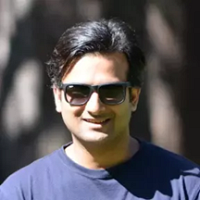 Vishal Thakur
 Jayden VoVishal Thakur (Atlassian, AU), Jayden Vo (Atlassian, AU)
Vishal Thakur is a Regional Manager of CSIRT operations and security researcher based in Sydney, Australia. With over 13 years of experience leading incident response and cyber defense teams across Atlassian, Salesforce, TikTok USDS, Commonwealth Bank of Australia, he specializes in large-scale threat detection, malware analysis, and proactive cyber operations.
Vishal is the Founder of HackSydney and BSides Sydney, and a frequent speaker and trainer at FIRST, DEF CON, Black Hat, SANS conferences. His current research focuses on anticipatory threat modeling, AI-enabled adversarial simulation, and preemptive defense frameworks. He is the creator of PR3TACK, a next-generation threat modeling framework, and Warhead, a research project for offensive techniques that can be used for red-teaming operations. Vishal has also actively worked in the research field of cognitive malware and has published papers on that subject in academic and institutional journals.
Jayden Vo is a Senior Security Incident Response Analyst at Atlassian, where he has spent the past five years responding to a wide variety of incidents and threat actors. Outside of responding to security incidents, Jayden dedicates time for proactive threat hunting and tracking threat actors targeting Atlassian. He has previously shared his threat hunting methodologies and threat actor research in various TLP:RED environments.
The Arcana Framework is an open‑source initiative designed to standardize and elevate the way Incident Response teams document, share, and operationalize security knowledge. Built and maintained by the Atlassian Incident Response team, Arcana structures IR knowledge across Playbooks, Runbooks, SOPs, and Knowledge Base Articles, providing immediate, customizable templates ready for operational use.
The framework will be released publicly at the FIRST Conference and hosted on Atlassian’s official GitHub repository, where the community can contribute their own documents and receive full credit. Arcana aims to close the gap between documentation theory and field application—bridging best practices, automation readiness, and real‑world response needs.
June 17, 2026 14:20-14:55
- JPTLP:CLEAR
Attack or Noise?: Tracking and Evaluating the Impact of Internet-Wide Survey Scanners
 Yukiko Endo
 Masato Jingu
 Masaki KuboYukiko Endo (NICT, JP), Masato Jingu (NICT, JP), Masaki Kubo (NICT, JP)
Yukiko Endo is a Senior Technical Researcher at the Cyber Threat Analysis Office, National Institute of Information and Communications Technology (NICT) in Japan, where she actively works on darknet monitoring, internet-wide scanning analysis, and threat intelligence research. Before joining NICT, she worked in both Japan and Germany on research and product development in the field of Identity and Access Management. Her broader interests include IoT security, Internet-wide measurement, and the collection and analysis of threat intelligence data.
Masato Jingu is an analyst at the Cyber Threat Analysis Office of the National Institute of Information and Communications Technology (NICT). He also serves as a member of NICT-CSIRT, where he is primarily responsible for the analysis of a livenet. Prior to joining NICT, he held positions in the private sector, where he was engaged in cybersecurity incident response as well as research and development activities.
Masaki Kubo serves as Director of the Cyber Threat Analysis Office at NICT. His responsibilities extend to both the internal security operation and a darknet monitoring research project known as 'NICTER'. Prior to joining NICT, He was a manager of JPCERT coordination center, focusing on the analysis and coordination of vulnerabilities and advocating for a secure coding initiative.
Security teams routinely waste time investigating benign scans from services such as Censys, Shodan, ZoomEye, and other survey‑scanners. However, there has been no comprehensive, openly available source that identifies which organizations are scanning the global IPv4 space and from which IP addresses.
We operate a large darknet monitoring network and developed a real‑time methodology to classify survey‑scanner traffic and distinguish it from malicious activity. Using this approach, we have identified more than 75 active scanning organizations worldwide.
Our team publishes a quarterly, publicly accessible list of survey‑scanner IP addresses and organizations on GitHub, enabling SOC analysts, incident responders, and network defenders to reduce false investigations and focus on actual threats. We also demonstrate how we integrate this list into our own security operations and quantify its operational impact.
Because many survey‑scanners provide ASM‑related commercial services based on their scanning activity, we additionally highlight behavioral differences among scanners to help practitioners better interpret and validate ASM outputs. Drawing on years of large‑scale darknet monitoring and continuous IP intelligence publishing, we provide practical insights that the community can immediately use to improve alert triage and threat‑hunting accuracy.
June 19, 2026 10:00-10:45
- GBTLP:CLEAR
Battle-Tested Incident Recovery: Lessons from the Front Lines
 Jack HughesJack Hughes (Unit 42 by Palo Alto Networks, GB)
Bringing over a decade of experience leading world-class incident response teams, Jack Hughes has had a front-row seat to the ever-evolving landscape of cyber threats. His passion lies in transforming that experience into actionable strategies that empower organisations to not only withstand attacks but emerge stronger.
His expertise spans the full spectrum of incident response, from dissecting malware to orchestrating global investigations involving forensic experts, legal teams, and crisis communication specialists. He thrives on building and leading high-performing teams, fostering a collaborative environment where technical excellence meets strategic thinking.
With 86% of attacks resulting in business impact, there is no one‑size‑fits‑all path to recovery. This session moves beyond theory to present battle‑tested strategies derived from Unit 42’s front‑line experience. We will dissect the critical decision‑making process between Brownfield recovery (remediating the existing estate) and Greenfield recovery (building fresh), helping you determine the right approach for your specific crisis.
Central to this approach is the Sheep Dipping methodology, a rigorous process to sanitise and verify assets. We will demonstrate how to apply this technique to secure your Minimum Viable Business, ensuring that whether you repair or rebuild, you emerge from the incident resilient and response‑ready.
June 17, 2026 11:35-12:20
- FITLP:CLEAR
Benchmarking Your Constituency: A Practical Framework for CERTs with Results from Academic Sector
 Juha HaagaJuha Haaga (Arctic Security, FI)
Juha Haaga leads Arctic Security's CSIRT Development Program, helping new national and sectoral CSIRT teams build early warning systems and navigate common obstacles. As Head of Customer and Market Engagement, he also leads research on large-scale cybersecurity data analysis. His 15 years working with national CSIRTs have focused on making threat data actionable, from production through consumption and distribution, and benchmarking. His background in software engineering, solutions architecture, and product management informs his practical approach to security metrics.
How do CERTs benchmark cybersecurity posture when available data is noisy, unverified, or incomparable? This presentation introduces a methodology for systematic security posture analysis using a selected set of verified cyber issue data, demonstrated across 8,000 categorized academic institutions in the United States and Europe.
We classify organizations by type, size, country, and public‑facing asset profile, then categorize issues into public exposure, known vulnerabilities, suspected compromise, and potential threats. Cross‑border findings reveal how security posture correlates with regulatory environments, governance models, and organizational resources—challenging common assumptions and informing priority‑setting for resource‑constrained organizations.
Education faces the highest attack rates of any sector yet lacks systematic comparative analysis. This research fills that gap while developing a transferable framework. CERTs can adapt this methodology for healthcare, government, finance, or any constituency they serve.
Attendees will gain a replicable benchmarking framework, a review of concrete cross‑border findings, and practical guidance for implementing sector‑wide posture analysis.
June 15, 2026 14:40-15:25
- BRTLP:CLEAR
Beyond Manual Hunting: OSINT Copilot with LLMs & Evidence-Based Collection, Enrichment, and Investigative Search at Scale
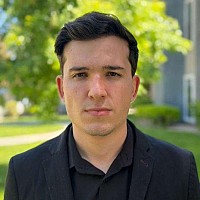 Matheus Bezerra
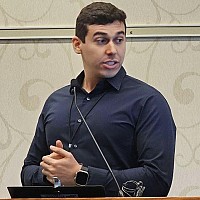 Victor FabreMatheus Bezerra (Apura Cyber Intelligence S/A, BR), Victor Fabre (Apura Cyber Intelligence, BR)
Matheus Fernandes Bezerra – Software Engineer, Apura Cyber Intelligence
Matheus Fernandes Bezerra is a Software Engineer at Apura Cyber Intelligence. He holds a Bachelor’s degree in Computer Science from the Instituto Federal de Brasília and is currently pursuing a Master’s degree in Machine Learning at the University of Brasília. Over the past five years at Apura, he has worked across OSINT analysis, cybersecurity operations, and backend engineering.
Matheus specializes in building scalable security tools, data pipelines, and analytical dashboards that support threat detection, leak monitoring, and exposure intelligence workflows. His work bridges practical incident-response needs with advanced data processing and automation, contributing directly to Apura’s threat intelligence platforms and operational capabilities.
Victor Fabre, Cyber Threat Intelligence leader with 6 years of experience in threat intelligence operations, underground ecosystem analysis, and AI-assisted workflows. Ph.D. in Electrical Engineering (UnB), with multiple IEEE publications.
We present a practical approach to transforming large-scale OSINT into structured, actionable intelligence using open tooling, RAG, and agentic LLM workflows. The session covers data extraction, enrichment, indexing, and how LLMs support incident response through structured reasoning and reproducible analysis.
June 19, 2026 11:50-12:25
- JPTLP:CLEAR
Bringing Chronological Context to Disparate Artifacts: Accelerating Digital Forensics
 Junya HiwatariJunya Hiwatari (NTT Social Informatics Laboratories, JP)
Junya Hiwatari is a member of NTT-CERT and a GCFE holder. Since 2020, he has worked on digital forensics and incident response, as well as R&D on new attack detection technologies using machine learning. He is also a member of "The Institute of Digital Forensics" which promotes digital forensics in Japan. In the community, he supports collaboration among young members and contributes to developing technical documentation on cloud forensics for IaaS services, including GCP and AWS.
Yuta Kuwahara is a chief at NTT-CERT, leading the forensic team since 2025. His main expertise is in digital forensics and incident response. Previously, he worked at NTT-East, where he led projects on perimeter security and C2 server detection through network flow analysis. He also contributes to IT education in Japan by organizing the "ICT Troubleshooting Contest (ICTSC)" and actively participates in CTF competitions.
In digital forensics and incident response (DFIR), analysts must not only examine various artifacts but also trace their chronological relationships to understand the full scope of an incident. However, because of the complex interrelationships between artifacts, traditional manual analysis becomes increasingly time‑consuming.
To address this problem, we developed Attack Flow Finder (AFF) to automate and accelerate digital forensic investigations. AFF assists analysts by investigating and organizing artifacts according to user‑defined detection rules, called Ordered‑Sigma, which describe the intended sequence of events.
In this presentation, we will share the implementation ideas and use cases of AFF, focusing on:
- designing “Ordered‑Sigma” rules;
- implementing an algorithm to efficiently process chronological relationships;
- comparison with existing tools;
- analyzing endpoints infected with various cyber threats;
- indicating response improvements through stakeholder use.
Through these points, we propose a new approach for accelerating digital forensics and discuss future challenges.
This presentations author's include Junya Hiwatari and Yuta Kuwahara.
June 17, 2026 09:00-09:35
- NLTLP:CLEAR
Building a Regional ISAC for West Africa that Works: Governance, Tools and Community Maturity
 Don Stikvoort
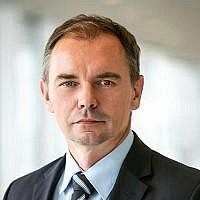 Miroslaw MajDon Stikvoort (Open CSIRT Foundation, NL), Miroslaw Maj (Open CSIRT Foundation, NL)
Don Stikvoort - Stichting Open CSIRT Foundation, chairman of the board.
Don Stikvoort is founder of the companies “S-CURE” and “Cross Your Limits”. S-CURE offers senior consultancy in the area of cyber security – specialising in CSIRT matters. Cross Your Limits coaches and trains in the human area. Based in Europe, Don’s client base is global.
After his MSc degree in Physics, he became Infantry platoon commander in the Dutch Army. In 1988 he joined the Dutch national research network SURFnet. In that capacity he was among the pioneers who together created the European Internet since November 1989. He recognised “security” as a future concern in 1991, and was chair of the 2nd CSIRT in Europe (now SURFcert) from 1992-8, and FIRST member since 1992. Today Don is a FIRST Liaison Member. Together with Klaus-Peter Kossakowski he initiated and built the closer cooperation of European CSIRTs starting in 1993 – this led to the emergence of TF-CSIRT in 2000. In 1998 he finished the "Handbook for Computer Security Incident Response Teams (CSIRTs)" together with Kossakowski and Moira J. West-Brown of CERT/CC. He was active in the IETF and RIPE (cocreator of the IRT-object). Don chaired the Program Committee for the 1999 FIRST conference in Brisbane, Australia, and kick-started the international FIRST Secretariat in the same year. From 2001-2011 his company ran TF-CSIRT’s Trusted Introducer service. He wrote and taught several training modules for the CSIRT community.
In 1998 Don started his first company. A first assignment was to build the network connecting over 10,000 schools in The Netherlands. Many CSIRTs were created with his help and guidance, among which the Dutch national team (NCSC-NL). Second opinions, audits and maturity assessments in this field have become a specialty – and in that capacity Don developed SIM3 in 2008, the maturity model for CSIRTs which is used worldwide today for maturity assessments and certifications. SIM3 has is now under the wings of the “Open CSIRT Foundation” (OCF). Don was one of the founders in 2016 and now chairs its board.
Starting in 1999, Don was certified in NLP, Time Line Therapy®, Coaching and Hypnotherapy, and brought that under the wing of “Cross Your Limits”, which portfolio is life & executive coaching, and training courses in what Don likes to call “human arts”. He also trains communicators, presenters and trainers, including many in the CSIRT field. Don thrives as motivational and keynote speaker. He enjoys to share his views on how the various worlds of politics, economics, psychology and daily life, but also cyber security, all intertwine and relate – and how deeper understanding and a better ability to express ourselves, increase our ability to bring good change to self as well as the world around us. He has discussed such topics all over the world, from Rome to the Australian Outback. His goal is to challenge his audience to think out-of-the-box, and motivate them to be the difference that makes the difference, along the lines of the old African proverb: “If you think you’re too small to make a difference, try sleeping in a closed room with a mosquito”.
Mirosław Maj (Open CSIRT Foundation, Cybersecurity Foundation) has nearly 30 years of experience in ICT security and has played a major role in shaping cybersecurity capabilities in Poland and abroad. He is the co-founder of the Open CSIRT Foundation, responsible for developing SIM3 maturity model and supporting the Trusted Introducer service certifying security teams worldwide, as well as the founder and president of the Cybersecurity Foundation and co-founder of ComCERT.PL. A former head of CERT Polska, he co created CyberBastion - a simulation and training platform powering the multi-edition CyberBastion League.
He advised the Polish Minister of National Defence on cyberdefence development, is a member of the Polish Digitalization Council, and serves as an expert for ENISA, co-authoring numerous European cybersecurity reports. His international work includes major projects in Georgia, CIS countries and the UN, supporting the creation and maturity of national CERTs. He has organized ten editions of Cyber-EXE exercises for key sectors and national-level NIS-based testing. A regular FIRST speaker and founder of the Security Case Study conference, he also lectures on cybersecurity at several universities.
This session presents practical, experience‑based insights from a two‑year effort to build and operationalize the ECOWAS ISAC, bringing together West African countries from Nigeria to Sénégal and Cabo Verde. It highlights how the project bridged the gap between the traditional information‑sharing mission of an ISAC and the more operational, incident‑focused functions typically associated with CSIRTs.
The presentation shows how SIM3 was used to structure governance, roles, and capabilities, creating a clear and realistic maturity roadmap. It also demonstrates how established standards and tools—such as the FIRST CSIRT Services Framework and MISP—were adapted to define feasible services, strengthen collaboration, and enable consistent information exchange.
Participants will also learn how table‑top exercises and cyber‑attack simulations were used to validate workflows and build trust. The session concludes with lessons learned and actionable recommendations for regions or sectors seeking to develop or mature their own ISAC communities.
June 16, 2026 15:25-16:00
- BRTLP:CLEAR
Can a General-Purpose LLM Do Tier-1 Triage?
 Romulo RochaRomulo Rocha (TandemTrace, BR)
With over 15 years of experience, Romulo Rocha is an Information Security leader specializing in building and scaling high-performance SOCs for mission-critical environments, including the Rio 2016 Olympic Games and Nubank. An expert in security automation, he focuses on evolving incident response beyond traditional SOAR using innovative architectures. His current research centers on evaluating Generative AI and autonomous agents within SOC pipelines to tackle alert fatigue and streamline complex triage. An active contributor to FIRST and the international security community, he is dedicated to sharing open, reproducible methodologies that advance the collective maturity of cyber defense.
Can a general-purpose LLM perform Tier-1 alert triage without expensive fine-tuning? Vendors promise "AI-driven SOCs," but measured evidence of where these systems actually succeed — and fall short — remains scarce.
This talk presents early findings from an ongoing controlled experiment evaluating LLM-based agents against synthetic alert datasets containing hidden threat campaigns and progressively adversarial noise. The evaluation examines how such agents reconstruct attack narratives, where standard retrieval approaches struggle, and how findings shift as model capability varies across rounds.
Attendees will leave with a practical framework for evaluating similar systems in their own environments, an honest view of the current limits of LLM-based triage, and a set of open questions that remain as the research continues.
June 18, 2026 13:30-14:15
- USTLP:CLEAR
Chaos Stack: Designing Layered Tabletop Exercises for Complex Crisis Simulation
 John HollenbergerJohn Hollenberger (Fortinet, US)
John Hollenberger is a seasoned cybersecurity consultant with over 19 years of experience helping organizations strengthen their defenses and prepare for the realities of today’s evolving threat landscape. Throughout his career, John has guided clients through complex security challenges — from building proactive security strategies to leading high-impact incident response efforts. As the Lead Consultant of Proactive Services at Fortinet, he works closely with organizations to enhance their readiness, resilience, and ability to respond effectively when incidents occur. John is deeply committed to educating others on the importance of preparation, collaboration, and continuous improvement in cybersecurity. He holds a range of industry certifications, including CISSP, GCIH, GWAPT, CISA, CISM, CRISC, and Security+.
Modern organizations face increasingly complex crises that evolve across multiple domains—cybersecurity, legal, operational, and reputational. This presentation introduces the Chaos Stack model, a layered, time-sequenced approach to designing tabletop exercises that replicate the pressure and chaos of real-world incidents. Through an educational walkthrough of a realistic scenario, attendees will explore how compounding injects simulate the stress and ambiguity of evolving threats. The session covers how to construct layered scenarios, time injects to reflect escalation, and map decision impacts across functions. Attendees will leave with a sample scenario timeline and a reusable template to apply in their own organizations.
June 19, 2026 09:10-09:55
FIRSTCON26-Chaos-Stack-Templates-John-Hollenberger.pdf
MD5: ae2e79b6b743ebfb008c35f520ee7476
Format: application/pdf
Last Update: June 9th, 2026
Size: 39.77 Kb
- USTLP:GREEN
Cl0p^_- Til You Drop - Analysis of 6 Years of Campaigns
 Eli WoodwardEli Woodward (Team Cymru, US)
Eli Woodward is a Senior Threat Intelligence Advisor with 20+ years in law enforcement and private-sector security and a Master’s in Intelligence Studies. He helped build regional cyber intel reporting at Maricopa County and spent four years with Zelle. He is active in the Phoenix security community supporting CactusCon.
Cl0p’s 6‑year campaign of breaches has been the outcome of novel 0‑days and persistent campaigns, but they’ve been enabled by the way organizations architect data‑movement systems. For over half a decade now, Cl0p repeatedly targeted file‑transfer and middleware platforms that temporarily store the highest‑value organizational data in plaintext, operating as if these systems were Tier‑0 assets while defenders treated them as routine infrastructure utilities.
This session presents a timeline of major Cl0p campaigns (2019–2025) and demonstrates consistent patterns in malicious infrastructure, reconnaissance, exploit selection, and target choice. We then map these behaviors to underlying architectural flaws across commonly deployed MFT and middleware systems.
Attendees will leave with concrete design corrections—encrypting before ingestion, eliminating static staging folders, re‑classifying middleware as privilege boundaries, and building breach‑survivability into data‑movement workflows. This talk looks at structural fixes, not just IOCs, and offers practical guidance to reduce recurrence of MOVEit‑class events.
June 15, 2026 14:00-14:35
- JPTLP:CLEAR
Climbing Toward the Summit of Defense: Practical Methods for Strengthening CSIRT Organizations and Specialists
 Aya Ohara
 Kaori Fukuda
 Ikuya HayashiAya Ohara (SimpleForm, Inc., JP), Kaori Fukuda (DNV Business Assurance Japan, JP), Ikuya Hayashi (NTT-CERT, JP)
Aya Ohara is an experienced cybersecurity professional specializing in CSIRT operations and incident coordination. Since 2017, she has been a dedicated member of the Nippon CSIRT Association, where she strengthens national security collaboration through her leadership in the Regional Activities Committee.
Beyond her operational expertise, Aya is a passionate community builder, organizing regional workshops and peer-learning events to foster trust and professional networking. As a seasoned trainer in capacity-building programs, she is committed to developing the next generation of security practitioners and enhancing organizational resilience. Her core interests lie in communication strategy within security teams and building robust, trusted relationships across the CSIRT community.
Kaori Fukuda is a cybersecurity consultant specializing in CSIRT/PSIRT operations, factory security, and supply chain risk management. She has extensive experience in security governance, privacy protection, and regulatory compliance, and previously led IT operations and connected-car cybersecurity initiatives at a major automotive manufacturer. Since 2020, Kaori has been with DNV Business Assurance Japan, where she helps organizations improve resilience and align with global cybersecurity standards. She also serves as a board member of the Nippon CSIRT Association and contributes to advancing cybersecurity maturity across the ecosystem through advisory, assessment, and training activities.
Ikuya Hayashi is the Steering Committee Chair of the Nippon CSIRT Association and a Senior Manager responsible for CSIRT operations across the NTT Group, including NTT-CERT, NTT, and NTT Security Japan. He has more than a decade of experience in designing enterprise communication systems, as well as over 15 years of academic and professional experience in CSIRT architecture and operations.
He studied organizational theory and business engineering at the graduate level. He has been actively promoting CSIRT adoption in Japan and has served as a Visiting Lecturer since 2015, with a focus on cybersecurity workforce development. Ikuya is the author of several books, including CSIRT: From Planning to Operation and Communication and Knowledge in Organization, and holds CISSP, SIM3 Auditor, and RISS certifications.
Modern cyber threats evolve faster than many CSIRTs can adapt, creating increasing pressure on limited teams to maintain resilience. This presentation introduces a five‑year initiative designed to build adaptive, scalable collaboration within Japan’s CSIRT community. Through 57 continuous sessions involving 508 organizations and 534 practitioners, the initiative generated curated evidence on how sustained, community‑driven interaction strengthens collective defense capabilities.
The findings reveal that the most valuable outcomes were not planned but emerged organically through monthly engagement. These include accelerated specialist development, reduced dependence on senior experts, and the formation of an “organic adaptive model” in which mutual learning and distributed support enhance both individual and organizational capacity. Simple academic models—combined with a strong focus on psychological safety—help explain why these mechanisms work and how they can be replicated.
The session will also provide practical tools that participants can implement immediately to strengthen adaptability and collaboration within their own CSIRTs. Ultimately, this work offers actionable guidance for organizations and communities seeking to climb toward their own summit of defense and build adaptive systems for modern threats.
June 16, 2026 13:45-14:30
- CATLP:CLEAR
Cloud Under Siege: A War Room Briefing on Advanced Persistent Threats Targeting Cloud Environments
 Hossein Jazi
 Douglas SantosHossein Jazi (Fortinet, CA), Douglas Santos (Fortinet, CA)
Douglas Santos is the Director of Advanced Threat Intelligence at Fortinet, bringing over two decades of experience in the cybersecurity field. He combines deep technical expertise with strong communication and interpersonal skills, allowing him to thrive in both technical and business-oriented environments. Doug has a keen understanding of the evolving cyber threat landscape and excels at translating complex security challenges, vulnerabilities, and countermeasures into clear, actionable insights for audiences at all levels. Currently, Doug leads a team of researchers and engineers focused on advancing the state of the art in cyber threat intelligence. Their mission is to proactively identify emerging attack vectors and develop intelligence-driven defenses. As part of this effort, Doug is spearheading Fortinet’s collaboration with MITRE CTID and contributing to projects that enhance threat intelligence standards, tools, and response strategies. These advancements are being integrated across Fortinet’s ecosystem to strengthen global cybersecurity posture. With a proven track record of innovation, leadership, and effective communication, Doug continues to be a driving force in shaping the future of cybersecurity.
Hossein Jazi is a senior threat intelligence specialist at Fortinet, where he contributes as an active researcher with interests in APT tracking, malware analysis, cyber threat intelligence, and machine learning. His current efforts are centred on identifying and monitoring APT activities, along with publishing insightful blogs on their operations. In addition to these projects, Jazi is focused on developing proactive techniques to monitor cyber threat actors' actions and collaborating with various partners to enhance cyber threat research capabilities. He holds a Master's degree in computer science and has over 14 years of experience specializing in cybersecurity and APT analysis.
The cloud has become the backbone of modern innovation, driving global business and connecting people everywhere. But with that power comes risk. It is now one of the most sought-after targets in an escalating cyber conflict. Threat groups like Antique Typhoon, Silk Typhoon, and APT29 are relentlessly attacking cloud systems, exploiting weak configurations, stealing credentials, abusing identity and federation mechanisms, and infiltrating supply chains to cause large-scale disruption.
In this session, we will take a closer look at how APTs are evolving their tactics specifically for cloud-native infrastructure and the techniques attackers use to target core assets including IAM systems, cloud storage, virtual machines, containers, and serverless environments. We will also examine how threat actors are leveraging AI to scan and map cloud environments almost instantly, deploy adaptive malware that changes its behavior to avoid detection, and move laterally across multi-cloud and hybrid architectures in ways that bypass conventional security controls.
Through real-world examples, we will walk through how these campaigns unfold, from initial access to data exfiltration and supply chain compromise, and explore where defenders have opportunities to identify and disrupt them. The session will also cover practical approaches to detection and response, looking at how blue teams and threat hunters can use modern security tooling and frameworks to stay ahead of these threats.
More than just a technical challenge, these threats represent a defining moment for how we secure the digital foundations of our world. This session will examine what is at stake, the forces shaping the future of cloud security, and how we can collectively rise to meet this new era of cyber risk.June 16, 2026 09:00-10:15
- USTLP:GREEN
CoAnalyst: An AI-Driven Framework for Enhanced SOC Triage
 Logan WilkinsLogan Wilkins (Cisco, US)
Logan Wilkins is a seasoned cybersecurity leader with over 15 years of experience in the field. He currently leads a software engineering team within Cisco’s CSIRT, overseeing development programs focused on incident detection and response, data management, and security metrics. Logan holds industry-recognized certifications including CISSP, GSEC, and PMP.
He plays an active role in the global security community as the chair of the Metrics SIG within FIRST and has served as a FIRST Candidate Sponsor for multiple groups. Before joining Cisco’s security organization, Logan gained diverse experience in e-commerce, pharmaceutical drug discovery, and education, bringing a broad perspective to his cybersecurity work. He is passionate about building meaningful relationships and collaborating across teams to achieve common goals.
Security Operations Centers (SOCs) continue to be overwhelmed by a relentless surge in alert volume, leading to challenges such as analyst fatigue and reliance on manual, repetitive processes. These in turn result in improper verdicts, missed threats, and hindered incident response, negatively impacting the organization's security posture.
This session introduces “CoAnalyst” – a practical, AI‑driven framework developed to streamline and enhance security incident triage and analysis. We integrate Large Language Models (LLMs) with rich historical incident data and a diverse suite of existing security tools to present effective and efficient event‑triage options.
Our methodology empowers Tier 1 analysts to focus on higher‑level analysis and remediation rather than initial data gathering, leading to faster, more informed decisions, substantial reductions in manual effort, and improved accuracy. Attendees will gain practical, transferable insights into the architectural principles, integration strategies, and lessons learned from implementing such an AI‑assisted workflow.
This session’s authors include Logan Wilkins and Avinash Kumar.
June 19, 2026 08:30-09:05
- USTLP:CLEAR
Critical SaaS, Critical Blind Spots: A Detection Engineer's Field Guide to SaaS Attacks
 Julie Agnes Sparks
 Greg FossJulie Agnes Sparks (Datadog, US), Greg Foss (Datadog, US)
Julie Agnes Sparks is a security engineer specializing in threat detection, threat hunting, and incident response with over 7 years defending organizations. She is currently working under Security Research at Datadog to develop novel detections and hunting opportunities on critical SaaS applications and cloud infrastructure. She was previously on Detection & Response teams at Brex and Cloudflare. In her spare time, she focuses on community building and mentorship for those in security operations.
Greg Foss is a seasoned cybersecurity leader with over 15 years of experience spanning threat research, security operations, and offensive security. As the Engineering Manager of Threat Detection Engineering at Datadog, he leads a team of elite threat hunters and detection engineers, developing cutting-edge defenses against sophisticated cloud-native intrusions by nation-state and criminally motivated adversaries.
What do you know about the visibility and threats in your critical SaaS applications? Come join us to learn about what you can see, what you’re missing, and the most common attack paths we are observing in the wild.
This technical deep‑dive talk will provide details on emerging SaaS attack trends across critical third‑party applications, such as case studies into Salesforce, GitHub, and GitLab attacks. Common behaviors include weak authentication methods, malicious or compromised third‑party applications, lateral movement within cloud infrastructure, and enumeration and exfiltration of critical data.
Leave this session with a guide on the next threat detections to develop and queries to use for threat hunts in your environment.
June 19, 2026 11:00-11:45
- JPTLP:CLEAR
CSIRTeaming: Forging Resilient Incident Management Teams with Psychological Safety and High Reliability Principles
 Yoshiki SugiuraYoshiki Sugiura (NTT-CERT, JP)
Yoshiki Sugiura has been working in CSIRTs for 26 years. He used to be a member of JPCERT/CC from 1998 to 2002. He works for IL-CSIRT and NTT-CERT. He is also a board member of Nippon CSIRT Association. He is a certified trainer and auditor for SIM3. His current working area is management of CSIRT.
In the face of sophisticated attacks and escalating pressure, CSIRT/Incident Management Teams must fundamentally rethink their operating model. The root cause of recurrent incidents, despite having comprehensive procedures, often lies not just in technical vulnerabilities but in the “Human Element” — the structure of the team itself. Simple oversights like unpatched VPNs or basic account takeovers, which should have been preventable, often stem from a lack of field reports, stagnant organizational learning, and team dysfunction.
Drawing on the speaker’s 26 years of security experience and research into High Reliability Organizations (HRO), this presentation proposes “CSIRTeaming” — the optimal model for modern incident response. By applying the HRO core concept of Mindfulness alongside Dr. Amy C. Edmondson’s ideas of Psychological Safety and Teaming, organizations can embrace a “Preoccupation with Failure,” “Reluctance to Simplify,” and dynamically learn.
This approach complements the technical focus of The Art of Incident Management (FIRSTCON24), establishing the cultural foundation needed to make frameworks like the P/CSIRT Services Framework and SIM3 truly effective and to build genuinely resilient security organizations.
June 15, 2026 14:00-14:35
- TLP:CLEAR
CTI SIG Meeting (09:30-10:30)
Special Interest Groups exist to provide a forum where FIRST members and non-members can discuss topics of common interest to the Incident Response community. A SIG is a group of individuals composed of FIRST Members and invited parties, typically coming together to explore an area of interest or specific technology area, with a goal of collaborating and sharing expertise and experiences to address common challenges.
This is an open meeting for those wishing to learn more about the Cyber Threat Intelligence SIG. Attend the meeting! If you have interest in joining the group, submit an application here: https://www.first.org/global/sigs/cti/
MORE:
Mission: To define Threat Intelligence in the commercial space. To discuss common applications of threat intelligence capability with a view to agree best practice in the context of supporting effective digital forensics and incident response (DFIR) operations.
June 16, 2026 09:00-10:15
- CATLP:CLEAR
Cyber Deception 2.0: Adaptive Honeynets and Canary Intelligence in Production
 Peter MorinPeter Morin (PwC, CA)
Peter Morin is a Senior Consultant specializing in OT/IoT cybersecurity, bringing over 25 years of industry experience to the table. With a robust background information technology and cybersecurity, Peter has become a trusted advisor to organizations navigating the complex and rapidly evolving landscape of operational technology security. His expertise encompasses the full spectrum of OT/IoT security, from risk assessment and vulnerability management to the design and implementation of comprehensive security frameworks to the deployment of OT passive monitoring solutions.
Peter has successfully led numerous high-profile projects across diverse sectors, including energy, manufacturing, and critical infrastructure, helping clients safeguard their systems against emerging threats. His hands-on experience in the field is complemented by a deep understanding of regulatory requirements and best practices, ensuring that his solutions are both effective and compliant.
In addition to his consulting work, Peter is a frequent speaker and educator, regularly presenting at industry conferences and contributing to leading cybersecurity publications. He holds multiple certifications, including CISSP, CISA, CGEIT, CRISC, CDPSE and GCFA, and is actively involved in professional organizations such as ISACA.Passionate about advancing the state of OT/IoT cybersecurity, Peter is dedicated to helping organizations build resilient systems that can withstand the challenges of today's dynamic threat environment.
This session explores how adaptive deception has evolved beyond static honeypots into a dynamic, intelligence‑driven layer of defense. Attendees will see how organizations are integrating canary assets across IT, OT, and cloud environments to generate precise telemetry, confuse attackers, and reduce mean‑time‑to‑detect from weeks to hours.
Real‑world case studies and live demonstrations will illustrate how deception can be safely automated, measured, and scaled as part of a mature detection and response strategy.
June 18, 2026 09:40-10:25
- USTLP:CLEAR
Dark Silicon: Unmasking GPU Threats in the Age of AI
 Sneha RangariSneha Rangari (Visa, US)
Sneha Rangari is a Senior Cybersecurity Engineer at Visa with over eight years of experience specializing in security architecture, cloud platforms, and enterprise risk management. A CISSP and GMLE certified professional, she focuses on securing emerging technologies through AI/ML integration, including developing advanced Deepfake detection and threat modeling frameworks. Beyond her technical role, Sneha is an active mentor with Women in CyberSecurity (WiCyS) and a frequent speaker at industry conferences like RSA and BSides. She is dedicated to fostering an inclusive security community and aligning technical defense strategies with global business priorities.
GPUs power the AI revolution and silently harbor the next wave of cyber threats. From data centers to cloud AI workloads, attackers are exploiting GPU memory, kernels, and interconnects in ways traditional security tools cannot detect.
As AI reshapes industries, Graphics Processing Units (GPUs) have become indispensable engines, accelerating everything from neural network training to high‑performance inference. Yet this reliance has created a new, largely invisible attack surface. Adversaries are leveraging this gap to deploy VRAM‑resident malware (Jellyfish), perform GPU snooping, launch side‑channel attacks, hijack GPUs for cryptocurrency mining, and even steal proprietary AI models — all while evading conventional defenses.
This session draws on primary research, case studies, and hands‑on demonstrations to illustrate how GPU threats compromise AI confidentiality, integrity, and reliability. Attendees will gain actionable techniques for GPU telemetry monitoring, VRAM forensics, and integrating GPU visibility into SOC workflows.
The talk also empowers participants to take ownership of GPU security in their own environments, exploring research, defense strategies, and leadership opportunities in hardware‑aware AI protection. By the end, participants will understand why securing GPUs is critical to securing the future of AI — and how to illuminate the dark silicon powering intelligent systems worldwide.
June 19, 2026 11:50-12:25
- ATTLP:CLEAR
Defeating Node.js Malware through API Tracing
 Sven RathSven Rath (Check Point Research, AT)
Sven Rath works as a Security Researcher at Check Point Research, spending most of his time hunting for emerging malware threats and reverse engineering different malware, from malicious Browser Extensions to Kernel Level Rootkits. After work, he spends his time researching Windows Kernel Internals and fringe malware techniques and writing blog posts about both.
Node.js has become a staple in the malware development toolkit of crimeware authors: it is easy to develop, trivial to obfuscate, and difficult to analyze — with a wide array of open‑source obfuscators, originally designed to protect intellectual property, commonly abused by threat actors to hide their malicious code.
This talk introduces a purpose‑built Node.js Tracer designed to cut through the noise by instrumenting the runtime rather than having to deal with tedious manual source‑code deobfuscation, ultimately saving precious time for analysts and incident responders. After an overview of different forms of Node.js malware observable in the wild, the talk reconstructs a malware research effort that sparked the tool’s development, outlines the mechanics of tracing as a dynamic reverse‑engineering method, and demonstrates how runtime hooking exposes the malware’s real behavior.
Attendees will see, using case studies of several real incidents, how the utility neutralizes anti‑analysis checks, bypasses obfuscation, and speeds up the analysis process — resulting in a practical workflow for incident response teams facing increasingly obfuscated JavaScript‑based malware families.
June 17, 2026 14:20-14:55
- USTLP:CLEAR
Disparate Data, Distorted Decisions: Vendor Data Bias in CTI
Eli WoodwardEli Woodward (Team Cymru, US)Eli Woodward is a Senior Threat Intelligence Advisor with 20+ years in law enforcement and private-sector security and a Master’s in Intelligence Studies. He helped build regional cyber intel reporting at Maricopa County and spent four years with Zelle. He is active in the Phoenix security community supporting CactusCon.
Organizations routinely rely on annual IR and threat‑intelligence reports to guide strategy and prioritize security investments. Yet across the industry, these reports frequently contradict one another on the top intrusion vectors, dominant attacker behaviors, and definitions of common categories such as credential misuse. These contradictions do not reflect attacker volatility; they stem from structural bias in each vendor’s data‑collection pipeline.
This session presents an empirical comparison of major public IR/TI reports, shows how intake pathways and telemetry footprints shape what each vendor “sees,” and offers a practical framework for interpreting vendor reports as partial lenses rather than authoritative truth. Attendees will learn how to normalize conflicting data, reduce mis‑prioritization in their IR programs, and push for shared taxonomies that improve collective situational awareness.
June 15, 2026 11:50-12:25
- USTLP:AMBER
DPRK Fake Applicants in Your Recruitment Funnel? How to Catch Them All
 Adam MesserAdam Messer (Datadog, US)
Adam Messer is a security engineer with 6+ years of experience in detection engineering, incident response, and cloud security on both government and private systems. He is currently a Senior Security Engineer at Datadog on the Detection Engineering and Threat Hunting team. In his free time, he hikes and rock climbs in the Rocky Mountains.
North Korean threat actors are increasingly infiltrating global hiring pipelines by posing as legitimate software developers and security engineers. In this session, we’ll break down what these synthetic applicants look like in practice, the visibility gaps most organizations don’t realize they have, how their tradecraft has evolved, and the system you need to detect them.
This talk will cover how we built a detection stack for identifying and blocking fake applicants, including the use of behavioral and IOC‑based detections, cross‑system enrichment for correlation, and AI‑driven risk assessment. Our team has utilized this system to collect intelligence from these synthetic personas and convert it into actionable indicators.
At the end, we will dive into our metrics and tangible insights from 9 months of detecting and tracking fake applicants. By covering common IOCs, infrastructure fingerprints, recurring resume features, and operational patterns, you can launch a threat hunt within your own recruiting funnel.
Attendees will leave this session with practical detection strategies and a roadmap for building talent‑security visibility.
June 17, 2026 09:00-09:35
- ESTLP:CLEAR
Eiffel: A Tool to Oversee Incident Response From the Heights
 Óscar Salvador
 Juan GonzalezÓscar Salvador (Cybersecurity Agency of Catalonia, ES), Juan Gonzalez (Cybersecurity Agency of Catalonia, ES)
Óscar Salvador:Experienced systems and cybersecurity specialist with more than 10 years of expertise in IT infrastructures, cybersecurity incident response, digital forensics, and security engineering. Currently, I work for the Cybersecurity Agency of Catalonia where I serve as the head of the Incident Response team at CATALONIA-CERT, a role that involves addressing cybersecurity challenges that affect the Government of Catalonia and its related public sector.
Juan Gonzalez: Computer scientist with over 17 years of experience as a team leader in cybersecurity incident response, threat analysis, pentesting, and file system researching. I currently work at the Cybersecurity Agency of Catalonia, from where I serve as the head of the CATALONIA-CERT, which is the Government of Catalonia's CSIRT. At our CERT we deal on a daily basis with cyberincidents that might affect hospitals, universities, municipalities and information systems that provide service to more than 8M people in Catalonia. Before joining the Cybersecurity Agency of Catalonia I worked as a senior cybersecurity consultant at EY and as a file systems engineer both at Xyratex, a Seagate Company and at the Barcelona Supercomputing Center.
Modern incident response teams often face situations where dozens or even hundreds of endpoints require rapid triage and preliminary forensic analysis. Traditional manual approaches may not always scale efficiently and can slow down decision‑making during high‑pressure investigations.
Eiffel is a soon‑to‑be‑open‑source solution designed to assist DFIR practitioners during investigations, enabling analytics and SIGMA‑based alerts on top of large volumes of evidence, helping them find the few key needles in the haystack of logs, KAPE targets, and Velociraptor hunts.
This session will cover Eiffel’s current architecture and core components and will touch on how AI can leverage — or be leveraged by — the platform to unlock new critical capabilities. Attendees will leave with a clear understanding of how a solution like Eiffel can help their teams and how they could improve their evidence‑processing pipelines.
June 17, 2026 10:55-11:30
- PTTLP:CLEAR
Everything Everywhere All at Once…in 2038
 Pedro UmbelinoPedro Umbelino (Liaison, PT)
Trey Darley leads the FIRST Time Security SIG, coordinating international research and remediation efforts related to the 2036–2038 rollover vulnerabilities. He has spent the past decade studying temporal fragility across embedded, cloud, and critical-infrastructure systems, and recently presented the draft technical report for this work at the ITU-T.
A long-standing member of the BruCON and FIRST communities, Trey has served in multiple volunteer roles, including a term on the FIRST Board of Directors, where he co-founded the FIRST Standards Committee. He is recognized for his contributions to open cybersecurity standards such as STIX/TAXII, and for his long association with the Langsec community’s approach to software correctness and input handling. Trey’s patron saints are Grace Hopper, Evi Nemeth, and Paul Erdős. Trey has presented at USENIX, FIRST, BruCON, O'Reilly Security Amsterdam, RSAC, hack.lu, BSides Lisbon, and others.
Pedro Umbelino currently holds the position of Principal Research Scientist at Bitsight Technologies and brings over a decade of experience in dedicated security research. His eclectic curiosity has led to the uncovering of vulnerabilities spanning a gamut of technologies, highlighting critical issues in multiple devices and software, ranging from your everyday smartphone to household smart vacuums, from the intricacies of HTTP servers to the nuances of NFC radio frequencies, from vehicle GPS trackers to protocol-level denial of service attacks. Pedro is committed to advancing cybersecurity knowledge and has shared his findings at prominent conferences, including Bsides Lisbon, DEF CON, Hack.lu and RSA.
The 2036–2038 rollover is not a legacy timestamp bug. It is a cross-sector vulnerability class and a global systemic risk, rooted in a pervasive design pattern inherited from the original 32-bit Unix time_t representation. Modern dependency chains amplify this exposure through orphaned firmware, unmaintained toolchains, libraries, userland components, certificate-validity windows, distributed authentication flows, and other long-tail software lifecycle failures. Many production environments cannot be safely tested without emulating upstream Internet dependencies — the same observer effect that malware analysts face when studying complex behavior in isolated sandboxes.
We explain why full-fidelity temporal testing is extremely challenging in production environments. We present our work toward a reference stress-testing framework that CERTs, PSIRTs, and IR teams can begin implementing. We examine discovery workflows, dependency-mapping challenges, early-warning indicators from Bitsight Internet scan data, practical coordination guidelines, and priority mitigation efforts already underway. Drawing on our research and the FIRST Time SIG, we offer concrete next steps organizations can take today, while there is still time to get upstream of this problem. We close with a call to action: the Time SIG needs volunteers. There are two choices — early and late — and we are already almost late. Come join us.
The authors of this session include Trey Darley and Pedro Umbellino.
June 15, 2026 11:00-11:45
- SETLP:CLEAR
Fighting Back Against Large-Scale Phishing Campaigns Targeting Swedish Municipalities, Regions and Schools
 Mathias PerssonMathias Persson (CERT-SE, SE)
Mathias Persson is a cybersecurity specialist at CERT-SE, Sweden’s national Computer Security Incident Response Team. Passionate about collaboration and practical solutions, Mathias works closely with municipalities, regions, and national stakeholders to strenghten resilience against evolving threats. In this session, Mathias shares real-world insights from a year-long battle against persistent phishing campaigns and the lessons learned from building effective partnerships.
Between June 2024 and May 2025, CERT‑SE observed an alarming surge in phishing attacks aimed at Swedish municipalities, regions, and schools. These campaigns were not only widespread but highly persistent, exploiting compromised M365 accounts to spread malicious emails internally and externally. The impact included reputational damage and, in some cases, financial fraud, as well as an increased risk of data breaches.
In this presentation, we will share how CERT‑SE analyzed these attacks, uncovering common patterns and tactics used by threat actors. More importantly, we will tell the story of how collaboration became the key to an effective response. By partnering with SKR (Swedish Association of Local Authorities and Regions), we developed and distributed a practical guide for handling compromised accounts in M365 environments. This initiative helped organizations regain control and implement proper remediation steps.
Attendees will gain insight into the anatomy of these phishing campaigns, lessons learned from large‑scale incident coordination, and actionable recommendations for improving resilience in similar environments.
June 18, 2026 09:00-09:35
- USTLP:CLEAR
Fighting Back Without Hacking Back: Why “Risk Management” Isn’t Enough In The Era of Cyber War
 Tom MillarTom Millar (CISA, US)
Tom Millar has served in CISA since 2009, working to strengthen the nation’s cyber defenses and resilience against emerging threats. His work has included increasing the level of public, private and international partner engagement, and supporting initiatives to improve information sharing, such as the standardization of the Traffic Light Protocol. As the Branch Chief of Cyber Resilience within the Cyber Security Division, he oversees CISA’s architectural cybersecurity assessments, the Cybersecurity Performance Goals program, and training and standards for assessment performance. Prior to his cybersecurity career, he served as a linguist with the 22nd Intelligence Squadron of the United States Air Force. Mr. Millar holds a Master’s of Science from the George Washington University and is a Distinguished Graduate of the National Defense University’s College of Information and Cyberspace.
Since the dawn of FIRST, most cyber adversaries have been engaged in cyber espionage rather than targeted disruption. Over the last several years, this paradigm has shifted; while many bad actors still seek to steal secrets, many others are positioned to act destructively, including against targets with direct effects on life and safety.
This presentation will explain how the modern threat landscape requires novel thinking from defenders and incident responders, explaining in detail the limitations of the “risk management” mindset, and exploring what lessons we can learn from the field of war.
June 19, 2026 11:50-12:25
- TLP:CLEAR
FIRST Newbie Intro Session!
Is this your first FIRST? Join us for a quick introductory session and meet other FIRST newbies and the FIRST staff.
June 14, 2026 17:30-18:00
- USTLP:CLEAR
From CVD to Secure Releases: Automating Security from Source to Releases
 Vijay Sarvepalli
 Christopher CullenVijay Sarvepalli (Software Engineering Institute, US), Christopher Cullen (CMU Software Engineering Institute, US)
Vijay Sarvepalli works as Principal Engineer at CERT division of Carnegie Mellon University Software Engineering Institute. Vijay is a seasoned professional with extensive expertise in software architecture, cybersecurity, and enterprise systems. Vijay has a broad background in software architecture, solutions architecture and enterprise architecture. Vijay is TOGAF 9 Enterprise Architect Practitioner with specialized skills in developing strategy, innovation with a focus on closing the gap between strategy and execution. In his previous roles, he has broad experience in multiple vertical industries with roles such as Practice Head for Innovations, Technical Lead for Managed Services and IT Architect for Campus Information Services. Vijay has BS and MS degrees in Electrical and Computer Engineering and a MIT Executive Certificate in Strategy and Innovations.
Christopher Cullen is a Vulnerability Researcher involved in research within the fields of malware, threat intelligence, vulnerabilities, and AI/ML. During his time at the SEI he has advanced the team mission through numerous partner engagements, including with CISA, the NSA, and OT&E. His previous experience includes working for the NCFTA as a Malware Analyst, where he was the lead forensic examiner and involved in analysis projects for government entities and Fortune 500 companies involving malware, vulnerability, and forensic analysis.
Chris works with CISA in the realm of vulnerability coordination, having published vulnerability notes and coordinated several cases with over 100 vendors, introduced patches, and worked to further reduce system vulnerabilities. For malware, he supports red team assessments and provides technical reporting that guides development. He has provided research regarding systemic issues and problems that our government partners need to be aware of in regard to AI and ML to prevent harm. His other involvement includes representing the SEI in conferences, panels, and other public facing interview capacities.
As open‑source ecosystems grow ever more central to modern software development, the traditional view of Coordinated Vulnerability Disclosure (CVD) as a “nice‑to‑have” becomes dangerously inadequate. In this talk — “Beyond CVD: Automating Software Security from Source Code to Release” — I argue that CVD must evolve: not just to notify, but to actively secure software supply chains, builds, releases, and audit tools. By integrating CVD into developer workflows on platforms such as GitHub, GitLab, and public registries like npm and PyPI, we can shift security “left,” enforce continuous policy checks, and ensure that disclosure actually leads to safer software in production.
June 15, 2026 14:00-14:35
- ILTLP:CLEAR
From Discovery to Fix: What 10,000 Open Source Projects Reveal About CVE Remediation
 Mor WeinbergerMor Weinberger (Echo, IL)
Mor Weinberger is a Staff Software Engineer specializing in analyzing cloud-native security and supply chain threats. His efforts have uncovered a variety of emerging threats, including unsecured environments and platforms, as well as cryptomining campaigns. Additionally, he has collaborated with the Center for Internet Security (CIS) to develop guidelines for software supply chains and an open-source security tool to address these challenges.
We analyzed CVE remediation patterns across 10,000 open‑source projects to understand a critical problem: the mean time to repair (MTTR) for vulnerabilities as they propagate through the ecosystem. Our research reveals a sobering reality — CVEs fixed upstream take weeks or months to reach downstream containers, creating massive security‑exposure windows in Kubernetes environments.
In this talk, we'll present our findings showing how CVE fixes flow (or stall) through different ecosystem layers — from upstream projects to package managers to base images to final containers. You'll see real data on remediation delays, bottlenecks, and the compounding effect of layered dependencies.
But we won't stop at the problem. The second half focuses on practical solutions. We'll demonstrate remediation strategies that actually work at scale, from automated patch backporting to in‑place image patching with tools like Copa. You'll learn how to build workflows that dramatically reduce MTTR, including dependency‑automation patterns and risk‑based prioritization.
Attendees will leave with both a data‑driven understanding of the CVE remediation challenge and a practical playbook for fixing it, complete with automation templates and proven patterns from the field.
June 15, 2026 11:50-12:25
- USTLP:CLEAR
From Dork to Diplomat: Communicating Coherently for Vulnerability & Incident Response
Tom Millar Rina RakipiTom Millar (CISA, US), Rina Rakipi (CISA, US)
Tom Millar has served in CISA since 2009, working to strengthen the nation’s cyber defenses and resilience against emerging threats. His work has included increasing the level of public, private and international partner engagement, and supporting initiatives to improve information sharing, such as the standardization of the Traffic Light Protocol. As the Branch Chief of Cyber Resilience within the Cyber Security Division, he oversees CISA’s architectural cybersecurity assessments, the Cybersecurity Performance Goals program, and training and standards for assessment performance. Prior to his cybersecurity career, he served as a linguist with the 22nd Intelligence Squadron of the United States Air Force. Mr. Millar holds a Master’s of Science from the George Washington University and is a Distinguished Graduate of the National Defense University’s College of Information and Cyberspace.
Rina Rakipi serves as the Operations Coordinator within CISA’s Threat Hunting subdivision. She turns complex threat activity into clear, actionable intelligence, driving cyber campaigns and strengthening coordination across federal, industry, and international partners. She previously led CISA’s Secure by Design Alert series, advancing efforts to reduce systemic software vulnerabilities, and helped modernize the CVE Program to improve the speed and accuracy of national vulnerability records. Earlier in her career, she shaped major joint cybersecurity guidance as a lead technical editor and writer, bridging technical depth with strategic communication. Rina holds a B.A. in International Relations from Michigan State University and an M.Eng. in Cybersecurity Policy and Compliance from the George Washington University. Her work sits at the crossroads of global affairs, software security, and national cyber defense.
If you’ve ever struggled to translate technical threat and vulnerability data into actionable risk information that both peers and senior decision‑makers can intuitively understand — this session is for you.
In the fast‑moving world of incident and vulnerability response, technical precision is critical — but it’s trust and communication that determine whether your message drives action or gets lost in translation. This talk, co‑presented by threat intel and vulnerability operations leaders, explores how to communicate effectively across silos, sectors, and sensitivities.
We’ll share real‑world lessons from coordinating across government, industry, and international partners — where the stakes are high, the timelines tight, and the audiences diverse. From decoding threat intel for non‑technical stakeholders to navigating disclosure diplomacy, we’ll show how clarity, credibility, and context can turn a “dork” into a trusted diplomat.
Attendees will leave with practical tools for briefing leadership, collaborating across teams, and building trust in the heat of response. Whether you’re deep in the hunt or leading the charge, this session will help you communicate with impact — and without compromise.
June 17, 2026 10:55-11:30
- PLTLP:GREEN
From Internet Noise to Cyber Intelligence: Lessons from a Network Telescope
 Jan Adamski
 Paweł Pawliński
 Marcin RytelJan Adamski (NASK - National Research Institute, PL), Paweł Pawliński (CERT.PL / NASK - National Research Institute, PL), Marcin Rytel (NASK - National Research Institute, PL)
Jan Adamski: Senior Software Engineer at NASK’s Cybersecurity Team, specializing in large-scale Internet measurements, darknet/network-telescope analytics, and vulnerability research. Author of multiple CVEs (including CVE-2023-4617 – CVSS 10.0) and contributor to projects focused on IoT security, Bluetooth threat analysis, and unsolicited-traffic intelligence. Speaker at Polish cybersecurity conferences such as THS and OMH, with a background in telecommunications from Warsaw University of Technology.
Paweł Pawliński: Paweł Pawliński is an expert at CERT.PL. His job experience includes data analysis, threat tracking, and automation. He is always looking for better ways to collect, leverage, and share CTI.
Marcin Rytel: Cybersecurity Expert at NASK-PIB with a background in Telecommunications from the Warsaw University of Technology. He began his career at the university’s Institute of Radioelectronics and Multimedia Technology, designing RF-enabled devices and measurement equipment. At NASK-PIB, he contributed to building vulnerability and exploit databases for Internet-of-Things devices within the VARIoT project, and researched the security of their radio-frequency communication as part of the LaVA initiative. He is currently involved in a project focused on large-scale network telescope traffic analysis.
Every publicly exposed IPv4 address gets unsolicited traffic, so‑called Internet background radiation. Typically, it is discarded as “noise,” but with some effort it is possible to find cyber threat‑intelligence nuggets inside.
In this presentation, we will share results of our research into unsolicited Internet traffic collected through a large passive “network telescope” operated by NASK/CERT.PL and a system we built to analyze such data. We highlight multiple practical use cases: early warning for emerging or weaponized vulnerabilities, monitoring the DDoS landscape through backscatter analysis, detection of misconfigurations and potential data leakage, and behavioral fingerprinting of scanners and botnets.
The session will provide insight into implementation of the analytical pipeline that converts raw packets into enriched, high‑value events, as well as the storage and alerting aspects. We will also compare our system with other projects working with similar data, and how we distribute generated alerts to constituents and partners.
Overall, we will demonstrate the value of network telescopes as a source of threat intelligence and help you decide if looking into Internet noise is worth spending your time on.
June 16, 2026 11:45-12:20
- USTLP:CLEAR
From Logs to Living Timelines: AI-Assisted Incident Response in Hybrid Cloud Using OCSF
 Dr. Stephen Coston
 William RodriguezDr. Stephen Coston (Centene, US), William Rodriguez (Centene, US)
The presenters Willam Rodriguez and Dr. Stephen Coston, serve as a Lead Security Architect and Director of Security Operator leading hybrid-cloud and AI-augmented incident-response initiatives for a large U.S. healthcare insurer. His work spans log normalization, SOC automation, AI governance, and evidence reliability frameworks. He has designed log-to-timeline pipelines aligned to OCSF and has published on AI governance, bias mitigation, and forensically sound automation in security operations
Dr. Stephen Coston is an AI-enabled security operations architect and cybersecurity strategist operating at the forefront of cloud security, AI governance, and next-generation Security Operations Center (SOC) design. He architects security systems where artificial intelligence functions as core decision infrastructure, transforming how organizations detect, investigate, and respond to threats. His work enables the compression of investigation timelines from hours to minutes while preserving human judgment, auditability, and operational control at scale. Stephen leads initiatives that integrate AI into the fabric of security operations, redefining decision velocity, and elevating the role of analysts from reactive responders to supervisory decision-makers. His focus spans human–AI collaboration, security data architecture, and the emerging attack surface of adversarial AI where model behavior, data pipelines, and automation pathways become targets. With deep experience in incident response and digital forensics, he has led complex investigations across enterprise environments, translating technical signals into actionable intelligence under high-stakes conditions. As a speaker, researcher, and contributor to the evolving field of AI in cybersecurity, Stephen advances a clear thesis: as AI becomes embedded in operational systems, security must evolve from protecting data to protecting decisions. Disclaimer: All thoughts are my own and does not reflect my employer or any of there subsidiaries.
Modern security operations are facing a structural breaking point. Hybrid-cloud environments generate massive volumes of fragmented evidence across AWS, Azure, SaaS platforms, and endpoints yet the ability to reconstruct a coherent, defensible narrative has not kept pace. What slows investigations is no longer detection it is interpretation under uncertainty.
As organizations introduce AI to accelerate triage and correlation, a deeper problem emerges: Can we trust the outputs? Can we explain them? And will they hold up when it matters most under audit, regulation, or legal scrutiny?<
This session introduces a practical, end-to-end framework for transforming fragmented logs into chronologically consistent, forensically defensible “living timelines.” Built on the Open Cybersecurity Schema Framework (OCSF), the approach redefines incident response as a schema-driven, evidence-centric system rather than a collection of tools.
At the core is a six-layer pipeline Ingest → Normalize → AI Assist → Validate → Timeline → Export designed to operate within existing SOC environments such as Splunk, Sentinel, and Databricks. The architecture treats AI not as an authority, but as an accelerator. Large language models enhance field inference, semantic clustering, and narrative construction, while human-in-the-loop controls ensure that decision authority never leaves the analyst.
What differentiates this model is not speed alone but trust by design. Every transformation is versioned, explainable, and hash verified. Confidence scoring, prompt traceability, and workflow logging create a system where outputs can be audited, reproduced, and defended. The framework embeds evidentiary principles aligned to Daubert, Frye, and Durant, ensuring that AI-assisted investigations meet the standards of scientific reliability, general acceptance, and procedural fairness.
Attendees will walk away with more than concepts they will gain a deployable blueprint: a reproducible architecture, governance checklist, AI transparency maturity model, and schema-first playbooks ready for operational use.
This session advances a critical shift in thinking:
As AI becomes embedded in security operations, the role of cybersecurity must evolve from analyzing events to protecting the integrity of decisions, evidence, and outcomes at machine speed.
June 18, 2026 09:00-09:35
- PL NLTLP:CLEAR
From Planning to Impact: Lessons from Poland’s National Cybersecurity Exercises with a Dedicated TTX Platform
 Marcin FronczakMiroslaw MajMarcin Fronczak (Cybersecurity Foundation, PL), Miroslaw Maj (Open CSIRT Foundation, NL)
Marcin Fronczak - spent 12 years as Chief Information Security Officer in the financial and insurance sectors and performed IT/OT area security audits for a critical infrastructure operator. Prior to that, he spent 5 years as a consultant in the area of technology risk and security. During many audits and consulting projects in Europe, he gained extensive experience and thorough knowledge of risks and auditing of ICT systems, confirmed by obtaining international certifications including CISA, CIA, CRISC, Comptia Security +, ISO 27001 LA. He was the first Pole to earn the CCSK certification in the Cloud Security Area.
Mirosław Maj (Open CSIRT Foundation, Cybersecurity Foundation) has nearly 30 years of experience in ICT security and has played a major role in shaping cybersecurity capabilities in Poland and abroad. He is the co-founder of the Open CSIRT Foundation, responsible for developing SIM3 maturity model and supporting the Trusted Introducer service certifying security teams worldwide, as well as the founder and president of the Cybersecurity Foundation and co-founder of ComCERT.PL. A former head of CERT Polska, he co created CyberBastion - a simulation and training platform powering the multi-edition CyberBastion League.
He advised the Polish Minister of National Defence on cyberdefence development, is a member of the Polish Digitalization Council, and serves as an expert for ENISA, co-authoring numerous European cybersecurity reports. His international work includes major projects in Georgia, CIS countries and the UN, supporting the creation and maturity of national CERTs. He has organized ten editions of Cyber-EXE exercises for key sectors and national-level NIS-based testing. A regular FIRST speaker and founder of the Security Case Study conference, he also lectures on cybersecurity at several universities.
National‑level cybersecurity exercises require precise planning, credible threat modelling, and an understanding of how a country’s cybersecurity system functions in practice. This presentation shares lessons from three editions of Poland’s KSC‑EXE, conducted with the Ministry of Digital Affairs and involving all national cybersecurity actors, including national CSIRTs, competent authorities, sectoral CSIRTs, and operators of essential services. Built on the Polish NIS‑based legal framework, the exercises ensured scenarios and evaluation matched real obligations.
The session outlines how to design national exercises: setting objectives aligned with legislation, creating realistic multi‑sector threat scenarios, balancing participant engagement, integrating real and simulated entities, and using an advanced TTX platform for dynamic injects. It also presents methods for evaluating results and generating actionable improvements for national cyber resilience.
June 16, 2026 10:55-11:40
- KETLP:CLEAR
From Trust to Capability: Field Lessons from FIRST’s Regional Liaison Program in Africa
 Lawrence MuchilwaLawrence Muchilwa (Forum of Incident Response and Security Teams, KE)
Lawrence Muchilwa puts his skills as a distinguished cybersecurity leader and executive, and over a decade of experience into his work in the Africa Regional Liaison program. His extensive skillset is matched by his outgoing nature and ability to make connections. His expertise spans: digital forensics, the establishment of national Computer Emergency Response Teams (CERT), risk and compliance management, Cybersecurity Operations Centers (CSOCs), and incident response. Lawrence has collaborated with many organizations, steering them through transformative information security programs,
compliance enhancements, and risk management initiatives.He currently serves on the management board of the Open University of Kenya, BSides Nairobi, the Kenya Cyber Convention, and the Kenya Cybersecurity and Forensics Association. Beyond his professional endeavors, he is an active contributor to the open-source community, with publications on Docker-based high and low-interactive honeypotsto his name.Cyber capacity building is often presented as a technical challenge: train more people, deploy more tools, and create more response teams. Field experience across African countries shows a more complex reality. Countries operate at different levels of policy maturity, technical readiness, institutional mandate, political sensitivity, and funding availability. As a result, successful incident response capacity cannot be built through one-off interventions or uniform program templates.
This presentation shares practical lessons from the FIRST Regional Liaison Program, focusing on what it takes to support countries and communities with different cybersecurity needs and constraints. It will examine the role of trust-building, local ownership, political awareness, regional coordination, donor alignment, and sustained technical engagement. The session will also highlight common mistakes in cyber capacity building, including fragmented support, short-term funding cycles, and overemphasis on training outputs rather than operational outcomes.
June 16, 2026 10:55-11:40
- GRTLP:CLEAR
Ghost Networks and the Imitation Game
 Antonis TerefosAntonis Terefos (Check Point Software Technologies, GR)
Antonis Terefos is a malware reverse engineer at Check Point Research with experience in the cyber threat landscape. He specializes in dissecting and analyzing malicious software to uncover hidden threats within the ever-evolving cyber threat landscape. In addition to his professional work, Antonis enjoys testing malware command-and-control (C2) infrastructures in his spare time. By exploring these C2 systems, he gains valuable insights into the strategies and tactics employed by threat actors, enriching his overall understanding of the adversarial landscape.
A new era of malware distribution has emerged. Hackers no longer need to approach their victims directly — they only need to attract them. This new method of spreading malware is enabled by Ghost Networks, which operate across popular platforms. A Ghost Network is a collection of fake or “ghost” accounts that function as a coordinated service, manipulating platform‑engagement tools to disguise malicious activity as legitimate and enable large‑scale malware distribution.
These networks have grown in popularity due to their efficiency in infecting large numbers of victims in a short time while remaining undetected, as their account activities appear benign to the platforms on which they operate. They achieve this by operating across popular platforms, including GitHub, YouTube, X, Discord, SourceForge, and Twitch, using fake accounts to manipulate engagement tools on each platform.
Alan Turing, in his seminal 1950 paper, introduced the concept of “The Imitation Game.” In this “game,” a machine’s goal is to imitate a human so convincingly that an interrogator cannot reliably distinguish between the machine and a human participant. Nearly 75 years later, Turing’s ideas remain relevant, as Ghost Networks now play a similar “Imitation Game,” using AI (LLMs) to mimic human behavior and infect unsuspecting users with malware.
June 17, 2026 10:55-11:30
- TWTLP:CLEAR
Hack Your Board's Mindset: Closing the Strategy-Operations Gap via Board Game Simulations
 Yi-Hsien ChenYi-Hsien Chen (CyCraft Technology, TW)
Yi-Hsien Chen earned his B.S. degree in Computer Science at National Chiao Tung University (NCTU) and is currently a Ph.D. candidate in the Department of Electrical Engineering at National Taiwan University (NTU), a research assistant in the Department of Computer Science at National Yang Ming Chiao Tung University (NYCU), and a security researcher for the CyCraft research team. His research focuses on automatic malware analysis techniques, cyber threat intelligence, machine learning, and various cybersecurity topics. His work has been published in IEEE TIFS, DSC, ACM ASIACCS, and CCSW. He has also spoken at HITB CyberWeek, AVTokyo, HITCON, SECCON, and CODE BLUE. Additionally, he was a member of the BambooFox CTF team from NYCU, has participated in several CTFs, and has won 12th and 2nd place in DEFCON 26 and 27, respectively, with BFS and BFKinesiS CTF teams.
Even organizations with robust cyber budgets and advanced tools often struggle during real incidents — not due to technical gaps, but because boards and operators lack shared mental models of risk and trade‑offs. Traditional briefings fail to close this divide; they are consumed passively and forgotten quickly.
We propose a radical alternative: encode critical cybersecurity concepts (CDM, CTEM) into game‑based simulations, where decision‑makers experience failures, resource constraints, and coordination friction firsthand. Through visceral, compressed feedback loops, participants build durable intuitions that PPTs cannot deliver. Validated across 1,000+ participants in multiple regions, this approach accelerates organizational learning and cross‑role alignment by months.
This talk shares how to leverage the learning science in simulation‑based encoding, demonstrates how it transforms abstract frameworks into embodied knowledge, and provides a concrete blueprint for building adaptive defense through experiential practice — not more lectures. The authors of this session include: Tien-Chih Lin, Wei-Chia Kao, and Yi-Hsien Chen.
June 16, 2026 09:00-09:35
- CATLP:CLEAR
How Attackers Reconstruct You: Measuring Identity Exposure Across Four Attack Surfaces
 Andreanne BergeronAndreanne Bergeron (Flare and Université de Montréal, CA)
Andréanne Bergeron, PhD, is a researcher at Flare, specializing in online attackers’ behaviors. Her expertise delves into the intersection of criminology and cybersecurity. In addition, Andréanne holds an esteemed position as an affiliated professor in the Department of Criminology of Montreal University, bridging academia and industry. Her commitment to provide a unique perspective on the human element behind digital threats reflects a holistic approach, enriched by theoretical depth and real-world applicability. Andréanne has showcased her research at prestigious conferences such as BlackHat USA, Defcon, CypherCon, and ShmooCon. Active in her community, Andréanne serves as Vice President in NorthSec organizing team.
Cybersecurity executives still treat “exposure” as a single number, then want to know their one risk score, even though attackers haven’t operated in a single dimension for over a decade. It is now very easy for threat actors to automate large scale, hyper targeted phishing campaigns using all information available on organizations and individuals.
In this talk, we introduce a new four branch Identity Exposure Metric that redefines how defenders measure vulnerability in a world where password leaks are only one piece of the attack surface. We identify which elements of a user’s digital life truly matter and how attackers transform everyday details into actionable blueprints for abuse. In short, we were able to empirically assign relative value to each personal information type.
Drawing from 216B+ compromised records and empirical modeling, we show how identity reconstruction, authentication leakage, financial sensitivity, and social engineering susceptibility each contribute to different pathways of harm.
Attendees will learn how the Identity Exposure Metric can prioritize real world risk and reinforce identity centric defense strategies.
June 18, 2026 09:40-10:25
- USTLP:CLEAR
How EPSS Is Wrong and Useful at the Same Time
 Jay JacobsJay Jacobs (Empirical Security, US)
Jay Jacobs is a Co-founder and Data Scientist at Empirical Security and Data Scientist Emeritus at Cyentia Institute. Jay is also the lead data scientist for the Exploit Prediction Scoring System (EPSS), a co-chair of the EPSS special interest group at FIRST and chair of the Consumer Working Group within the CVE program. He is also a co-founder of the Society for Information Risk Analysts (SIRA), a not-for-profit association dedicated to advancing risk management practices where he served on the board of directors for several years.
Come learn how the Exploit Prediction Scoring System (EPSS) works and where it’s headed. We will cover the history, what EPSS was designed for, and the evolution of EPSS through the years, including the latest release. Learn about the massive data‑collection system behind EPSS, what data is used and is useful, and which data is the most “interesting.”
We will cover how EPSS overcomes the limitations in common scoring systems and get into common criticisms of the scoring system. Finally, no talk of EPSS would be complete without a discussion about how EPSS should fit into your vulnerability‑prioritization strategy (spoiler: it depends!), so you can grab the scores right away and get to work!
June 19, 2026 10:00-10:45
- PLTLP:AMBER
How to Detect and Block over 300 Thousands of Malicious Domains
 Krzysztof ZającKrzysztof Zając (CERT PL, PL)
Krzysztof Zając: Senior Threat Analysis Specialist at CERT PL, currently working on automated vulnerability discovery techniques. Before becoming a security specialist, he was a software engineer with more than ten years of experience. Teaches offensive security at the University of Warsaw. Formerly a CTF player, playing with the p4 CTF team. Likes cats and bad puns.
Investment scams pose a serious threat in Polish cyberspace. Typically, they begin with an advertisement that links to an article promising unrealistically high investment returns. The article then directs users to fraudulent exchanges, where they can deposit funds but are unable to withdraw them.
Such articles or fraudulent exchanges are reported to CERT‑PL, which allows them to be flagged as malicious and, in consequence, have them blocked by major Polish ISPs. Because ISPs in Poland quickly block such domains, criminals have adapted by registering hundreds — or even thousands — of new domains.
In this talk, we will outline the scam’s flow in detail and present the method we developed to semi‑automatically identify a large number of malicious domains. We will also describe how we kept the number of false positives low and what problems we encountered (and solved!) during the project.
June 16, 2026 13:45-14:30
- USTLP:CLEAR
Indicator Message eXchange (IMX): Turning Human Expertise and Experiences into Machine-Readable CTI-Fast
 Brian DeWyngaertBrian DeWyngaert (CISA, US)
Brian John DeWyngaert Jr. is the Senior Technical Advisor for Threat Hunting at the Cybersecurity and Infrastructure Security Agency (CISA), bringing over 20 years of experience across the U.S. Military, U.S. Federal Executive, and private sectors. A strategic thought leader for CISA since 2009, Brian has held pivotal leadership roles including leading coordinated defensive operations for CISA and Deputy Officer in Charge for a U.S. Military Operations Team. His expertise lies in bridging the gap between executive strategy and technical engineering.
Threat intelligence is only as valuable as an analyst’s ability to translate human insight into machine‑readable data — yet most indicators still circulate in ad‑hoc emails and chat threads, bypassing STIX/TAXII pipelines and slowing collective defense.
This session unveils CISA’s Indicator Message eXchange (IMX), a newly open‑sourced, containerized platform that lets experts publish high‑fidelity STIX 2.x packages in minutes — no schema expertise required. Attendees will see live demos of IMX’s dual interface: a Guided Mode that walks any analyst through five intuitive questions (Who, What, Where, How, Why) and an Expert Mode with real‑time validation and enrichment hooks.
June 15, 2026 11:00-11:35
- TLP:CLEAR
Information Exchange Policy SIG (14:00-15:00)
Automating the exchange of security and threat information in a timely manner is imperative to the future and effectiveness of the security response community. The timely distribution of threat indicators will only thrive in an environment where trust is sustained. A fundamental component of trust is a clear understanding of how information shared can and cannot be used with very few windows of interpretation. This level of clarity is essential to both the provider and the consumer as each wishes to insure the information is handled properly. Trust is not a matter of technology; but of language, policy and structured understanding.
The general lack of adequate policy that supports information exchange is increasingly becoming an impediment to timely information exchange, that will only be exasperated as more organizations start actively participating in information exchange groups and the volume of security and threat information being shared continues to grow. One of the main challenges today is the lack of clarity when defining and interpreting the permitted actions, uses, and redistribution of information shared between organizations.
The need for an extensible information exchange policy framework has been identified, and the goals of this Special Interest Group is to collaboratively develop a framework for defining information exchange policy, and a set of common definitions for the most common policy aspects. This intent is this framework will address some the information exchange policy challenges and promote information exchange more broadly.
June 16, 2026 13:45-15:10
- TLP:CLEAR
Insider Threat SIG (14:30-15:30)
Insider threats — whether malicious, negligent, or inadvertent — pose a significant challenge to organizations globally. This SIG aims to create a dedicated forum for FIRST members to share expertise, develop best practices, and collaborate on improving detection, response, and mitigation of insider threat incidents across diverse industries and environments.
Learn more about the group and apply to join at: https://www.first.org/global/sigs/insider-threat/
June 18, 2026 14:30-15:30
- TLP:CLEAR
Insider Threat SIG Meeting (14:30-15:30)
Special Interest Groups exist to provide a forum where FIRST members and non-members can discuss topics of common interest to the Incident Response community. A SIG is a group of individuals composed of FIRST Members and invited parties, typically coming together to explore an area of interest or specific technology area, with a goal of collaborating and sharing expertise and experiences to address common challenges.
This is an open meeting for those wishing to learn more about the Insider Threat SIG. Attend the meeting! If you have interest in joining the group, submit an application here: https://www.first.org/global/sigs/insider-threat/
MORE:
Insider threats — whether malicious, negligent, or inadvertent — pose a significant challenge to organizations globally. This SIG aims to create a dedicated forum for FIRST members to share expertise, develop best practices, and collaborate on improving detection, response, and mitigation of insider threat incidents across diverse industries and environments.
June 18, 2026 14:30-15:30
- CATLP:CLEAR
Introducing StealerLens: An LLM-Powered Forensics Microscope to Accelerate InfoStealer Investigations
 Olivier BilodeauOlivier Bilodeau (Flare, CA)
Olivier Bilodeau, a principal researcher at Flare, brings 12+ years of cutting-edge infosec expertise in honeypot operations, binary reverse-engineering, and RDP interception. Passionate communicator, Olivier spoke at conferences like BlackHat, DEFCON, SecTor, Derbycon, and more. Invested in his community, he co-organizes MontréHack, is NorthSec’s Vice-president, and runs its Hacker Jeopardy.
Information stealer malware represents a critical threat vector, with over 50 million stealer logs posted in 2025 alone, creating an analysis bottleneck impossible to address at scale. These logs contain rich forensic artifacts revealing infection vectors and malware‑campaign behaviors — insights that remain untapped due to manual analysis requirements.
Building upon our BlackHat USA 2025 work on LLM‑based infection screenshot analysis (“Hackers Dropping Mid‑Heist Selfies”), we introduce StealerLens, an LLM‑powered forensic tool to accelerate infostealer log investigations.
June 17, 2026 09:40-10:25
- JPTLP:CLEAR
Itinerary to Defeat Yet Another Beacon Implementation
 Naoki TakayamaNaoki Takayama (Internet Initiative Japan Inc., JP)
Naoki Takayama is a security researcher at Internet Initiative Japan, Inc. As a member of IIJ-SECT, the private CSIRT of his company, he is engaged in threat research and incident response. His research focuses on malware and tactics used in targeted attacks. He has spoken at BSides Tokyo and VB in the past.
Cobalt Strike remains one of the most widely abused post‑exploitation frameworks, favored by both cybercrime groups and state‑sponsored APT actors. In recent years, defenders have significantly improved their tooling and techniques for detecting and analyzing the Cobalt Strike Beacon. As a response to this, some threat actors have shifted toward reimplementation of the Cobalt Strike Beacon written in modern programming languages such as Rust and Go. These new variants offer improved stealth, flexible customization, and inherent evasive characteristics originating from their language ecosystems.
This talk will present an in‑depth analysis of these emerging variants, exploring their architecture, behaviors, and notable samples observed in the wild. Additionally, we will offer practical strategies for blue teams, including configuration‑extraction methods and YARA detection rules designed to identify these new threats.
June 16, 2026 14:35-15:10
- USTLP:CLEAR
Leveraging AI to Review and Strengthen Your Incident Response Plan: A Proof of Concept
John HollenbergerJohn Hollenberger (Fortinet, US)John Hollenberger is a seasoned cybersecurity consultant with over 19 years of experience helping organizations strengthen their defenses and prepare for the realities of today’s evolving threat landscape. Throughout his career, John has guided clients through complex security challenges — from building proactive security strategies to leading high-impact incident response efforts.
As the Lead Consultant of Proactive Services at Fortinet, he works closely with organizations to enhance their readiness, resilience, and ability to respond effectively when incidents occur. John is deeply committed to educating others on the importance of preparation, collaboration, and continuous improvement in cybersecurity. He holds a range of industry certifications, including CISSP, GCIH, GWAPT, CISA, CISM, CRISC, and Security+.
Incident Response Plans (IRPs) are essential but maintaining them is often time-consuming and reactive. This session presents a proof of concept that uses artificial intelligence to analyze and enhance IRPs for completeness, clarity, and alignment with standards such as NIST 800-61.Attendees will see how AI can identify gaps, flag outdated procedures, and suggest targeted improvements—reducing manual review time while supporting better preparedness. We’ll explore the process from data preparation through analysis and validation, sharing lessons learned and practical takeaways from testing AI-assisted review on areal plan. By the end, participants will understand both the potential and limitations of using AI to modernize IR planning, improve response readiness, and strengthen overall cyber resilience.
June 18, 2026 14:20-15:05
- INTLP:CLEAR
"Malice in the Modules" - How NPM Became a Supply-Chain Battleground?
 Harish ShankarHarish Shankar (Schneider Electric, IN)
Harish Shankar is currently working as Director – Head of Product Vulnerability Management in Schneider Electric. In this role, he heads Schneider Electric’s PSIRT Team which is represented as SE - Corporate Product Cyber Emergency Response Team (CPCERT) where he is responsible for defining and governing product vulnerability response.Prior to this role, he handled Product Incident Response and has hands-on experience on Incident Response and Digital Forensics. He also held the positions of Information Security Officer for the APAC region in Schneider Electric.
The JavaScript ecosystem has become a primary target for sophisticated supply chain attacks, with NPM—the package manager for 3M+ code packages serving billions of installations. This presentation analyses the anatomy of modern NPM compromises, from initial attack vectors through autonomous propagation mechanisms, and provides actionable defence strategies.
Attendees will understand how attackers exploit NPM's centralized model through phishing (npmjs.help spoofing), CI/CD token theft via infostealer malware, and typosquatting to achieve account compromise. We'll examine the September 2025 attack that compromised a single maintainer account to reach 2.6 billion weekly downloads across 18 packages, and the Shai-Hulud worm that autonomously infected 27,000+ repositories by exploiting transitive dependencies.
The presentation will dissect the evolving attack workflow: multi‑stage payloads, environmental fingerprinting, GitHub Actions backdoors, credential harvesting via TruffleHog integration, and self‑replicating worm mechanisms that create exponential impact from minimal attacker exposure. Real-world payload analysis demonstrates cryptocurrency theft, cryptomining, and destructive fallbacks.
Finally, we'll address practical countermeasures: SCA tools with behavioral detection, strict version pinning with lifecycle hook blocking, private registry/proxy implementations, ephemeral token strategies, and organizational incident response playbooks and essential controls as supply chain attacks are expected to scale up.
June 19, 2026 09:10-09:55
- USTLP:CLEAR
Malicious Code-signing at Scale: How Attackers Impersonate Thousands of Real Businesses and What to Do About It
 Aaron WaltonAaron Walton (Expel, US)
Aaron Walton is a Threat Intel Analyst at Expel, responsible for monitoring, tracking, and analyzing trends to help customers disrupt their adversaries. He’s an accomplished malware and threat researcher, frequently contributing to cybersecurity publications and conferences. His interactions with the cyber world are shaped by a lifetime of exposure to other disciplines, such as aviation regulation, compliance, cultural and linguistic anthropology, ethnomusicology, social justice, and world religion. As a career changer, Aaron brings this diverse skillset to his work to share information that aims to equip others in studying, hunting, and foiling bad actors. When he's not at a computer, he is often playing Irish flute in a local pub.
Code‑signing certificates are meant to indicate that a software application is issued by a trusted party and hasn’t been modified. But what about when attackers have the keys to sign?
Based heavily on original research, this talk discusses the problem of malicious code‑signing certificates: we will examine the means attackers use to obtain certificates, who is doing it, what malware families are being signed, and the trends over time.
Defenders can use these same code‑signing certificates to their advantage. We’ll explore how defenders can identify suspicious certificates, the revocation process and value of revocation, and highlight the additional research and detection opportunities that allow defenders to flip‑the‑script and make code‑signing a liability for threat actors rather than an asset.
June 16, 2026 15:25-16:00
- TLP:CLEAR
Metrics SIG (11:00-12:00)
Special Interest Groups exist to provide a forum where FIRST members and non-members can discuss topics of common interest to the Incident Response community. A SIG is a group of individuals composed of FIRST Members and invited parties, typically coming together to explore an area of interest or specific technology area, with a goal of collaborating and sharing expertise and experiences to address common challenges.
This is an open meeting for those wishing to learn more about the Metrics SIG. Attend the meeting! If you have interest in joining the group, submit an application here: https://www.first.org/global/sigs/metrics/
MORE:
Computer security incident response and incident management has moved towards more mature phases of development. Although there are still new teams forming, many existing teams are focusing on increasing their responsiveness and improving effectiveness.
Like other communities (such as business, finance and government) that look for quantitative and qualitative methods for benchmarking operations and measuring success, there is an emerging need for similar mechanisms in the incident management community.
The scope of this Metrics SIG will be to bring together interested members of the FIRST community to discuss and identify approaches for internally evaluating CSIRT and incident management practices within an organization. The Metrics SIG will work to bring ongoing efforts in developing CSIRT evaluation mechanisms along with defining and measuring CSIRT effectiveness to the attention of the FIRST community, and enabling those that are undertaking the development efforts to receive input from the FIRST community of experts. This will include identifying ongoing efforts and hosting conversations between the developing organization and FIRST Metrics SIG, and coordinating feedback to the developers from the FIRST community. These engagements will include scheduled events and exchanges, or informal email exchanges.
June 18, 2026 10:55-12:00
- USTLP:CLEAR
Mind Over Malware: Reducing Decision Fatigue in Incident Response Teams
John HollenbergerJohn Hollenberger (Fortinet, US)John Hollenberger is a seasoned cybersecurity consultant with over 19 years of experience helping organizations strengthen their defenses and prepare for the realities of today’s evolving threat landscape. Throughout his career, John has guided clients through complex security challenges — from building proactive security strategies to leading high-impact incident response efforts.
As the Lead Consultant of Proactive Services at Fortinet, he works closely with organizations to enhance their readiness, resilience, and ability to respond effectively when incidents occur. John is deeply committed to educating others on the importance of preparation, collaboration, and continuous improvement in cybersecurity. He holds a range of industry certifications, including CISSP, GCIH, GWAPT, CISA, CISM, CRISC, and Security+.
Jennifer Trujillo Hollenberger, PhD, LCSW is an Associate Professor of Social Work and the BSW Program Director at Grove City College in Grove City PA. She earned an MSW from the University of Pittsburgh and her PhD in Social Work from Baylor University. She has over 15 year of clinical practice experience in mental health, 10+ peer reviewed publications, and lives with her family in Pittsburgh PA.
Incident response is high-stakes, fast-paced, and information-dense. Teams often make critical decisions while stressed, multitasking, and operating with incomplete information. These conditions can lead to decision fatigue, cognitive overload, and errors that prolong incidents or amplify damage. John and Jennifer Hollenberger explore cognitive load in incident response and introduce psychologically-informed strategies and gamified tabletop techniques to improve decision-making, clarity, and team performance. Attendees will learn practical methods to structure exercises, design decision support tools, and manage stress to maintain peak cognitive function during real incidents. Whether your team is large or small, this session provides actionable guidance to reduce mental strain, improve communication, and enhance response outcomes.
This session's authors include Jennifer Trujillo Hollenberger and John Hollenberger.
June 15, 2026 11:00-11:35
- USTLP:CLEAR
Monday Keynote: Perseverance, Growth and Success. The Sunburst Story from the CISO perspective.
 Tim BrownTim Brown (Team8, US)
Tim Brown is a Partner and CISO in Residence for Team8. He is responsible for the Team8 CISO Village and working with the portfolio of incubators and early stage companies. Tim Brown is also the former CISO for SolarWinds. After the SUNBURST attack in December 2020, Tim Brown led the response and remediation efforts. Tim has spoken to thousands of customers and has been instrumental in all customer remediation support and services. He has worked closely with the SolarWinds® CEO in designing the future state of security and their “Secure by Design” philosophy. This new philosophy on software design will not only benefit SolarWinds but the industry as a whole, and it sets a precedent for responses to future cyberattacks. As a former Dell Fellow and CTO, Tim deeply understands the challenges and aspirations of the person responsible for driving digital innovation and change. Tim has over 25 years of experience, and his trusted advisor status has taken him from meeting with members of Congress and the Senate to the Situation Room in the White House. He’s also an avid inventor and holds 18 issued patents on security-related topics.
Tim Brown was the CISO for Solarwinds from 2017 till the end of 2025. He navigated the Sunburst Incident from initial discovery to response to recovery. He was also the first CISO ever charged by the SEC with the charges eventually dropped in Dec of 2025. Tim will recount the days, weeks, months and years following the incident and highlight the lessons learned at each stage. It is truly a story of perseverance, growth and success that we can all learn from.
June 15, 2026 09:30-10:30
- PLTLP:CLEAR
My CERT PL – Free Security Tools for Everyone (in Poland)
Krzysztof ZającKrzysztof Zając (CERT PL, PL)Krzysztof Zając: Senior Threat Analysis Specialist at CERT PL, currently working on automated vulnerability discovery techniques. Before becoming a security specialist, he was a software engineer with more than ten years of experience. Teaches offensive security at the University of Warsaw. Formerly a CTF player, playing with the p4 CTF team. Likes cats and bad puns.
During the talk, I will describe a portal launched by CERT PL, where anyone can sign up to receive free vulnerability scanning, password leak notifications, attack surface information, and network event data. Our goal is to provide free security services to anyone interested, including small companies and individuals running niche blogs. The portal has been a huge success - both the usage statistics (thousands of users, and tens of thousands of scanned domains) and positive user feedback show that there is a clear need for such a service. During the talk, I will describe how we built the service, what principles guided us, and what we have learned. I will also encourage participants to build similar services in their own countries and share tips on how to do that.
June 18, 2026 15:10-15:45
- TLP:CLEAR
NETSEC SIG (10:30-11:30)
Special Interest Groups exist to provide a forum where FIRST members and non-members can discuss topics of common interest to the Incident Response community. A SIG is a group of individuals composed of FIRST Members and invited parties, typically coming together to explore an area of interest or specific technology area, with a goal of collaborating and sharing expertise and experiences to address common challenges.
This is an open meeting for those wishing to learn more about the NETSEC SIG. Attend the meeting! If you have interest in joining the group, submit an application here: https://www.first.org/global/sigs/netsec/
MORE:
To foster the deployment of inter-AS network security BCPs, coordinated mitigation, and information sharing.
June 17, 2026 10:25-11:30
- USTLP:CLEAR
nx Compromise - AI as an Attack Vector
 Olivia BrownOlivia Brown (Lubrizol, US)
Olivia Brown is a cyber threat intelligence analyst at Socket. Previously, she has worked for the US State Department and the US Defense Department in roles focused on cybersecurity. She has a Master's in Strategy, Cybersecurity, and Intelligence from the Johns Hopkins School of Advanced International Studies. She also attended Johns Hopkins for her undergraduate degree, where she double majored in Computer Science and International Studies.
On August 26, 2025, nx npm packages were compromised in a supply‑chain attack. It was one of the first documented supply‑chain attacks to weaponize Claude, Gemini, and Q Command‑Line‑Interface (CLI) developer tools. The malware stole GitHub tokens, npm credentials, SSH keys, and cryptocurrency wallets from thousands of developer systems within hours, and exfiltrated the data to over 1,000 attacker‑controlled repositories in victim accounts.
Other novel aspects of the campaign include LLM‑powered reconnaissance, triple‑base64 encoding, and a denial‑of‑service persistence mechanism. This 30‑minute presentation thoroughly explains this attack, how we found it, and what the malware script did. Attendees will learn how to detect AI‑assisted malware in their supply chains, implement defensive scanning strategies, and understand emerging attack vectors that weaponize the very AI tools designed to help developers.
June 17, 2026 11:35-12:10
- KRTLP:RED
On the Frontline: Inside Adversaries' Infrastructure Before the First Shot Is Fired
 Seulgi Lee
 Chanwoong HwangSeulgi Lee (KrCERT/CC, KR), Chanwoong Hwang (KrCERT/CC, KR)
Seulgi Lee is a cybersecurity professional with over a decade of experience supporting Korea's national cybersecurity efforts across R&D, incident response, and threat intelligence. Seulgi currently focuses on technical investigations of personal data breach incidents.
Chanwoong Hwang is a malware analyst at KrCERT/CC, where he specializes in analyzing malware targeting South Korea and focuses on developing AI-driven malware analysis workflows.
KrCERT/CC presents a study using data from a Korean free DNS provider that has been abused by multiple threat actors, including groups such as Kimsuky and Andariel, since 2016. By accessing account, domain, DNS, and login‑log data, KrCERT/CC analyzed how attackers created and maintained their infrastructure before launching attacks.
We automated pivots from malicious domains to the accounts that created them and then to additional domains registered by those accounts, profiling and clustering the accounts using connected IPs, passwords, and naming themes to refine attribution of threat actors and uncover relationships between groups.
This study analyzes threat‑actor behavior in managing their infrastructure across the domain lifecycle and their operational management tasks, and proposes several implications, including the operational and legal limits of malicious‑domain takedown and the need for collaboration and improved policy to regain the initiative from attackers.
June 18, 2026 11:35-12:10
- TWTLP:CLEAR
One Poisoned Artifact Can Steer Your AI: How Robust Are Your LLM-Assisted Security Workflows?
 Cheng-Lin Yang
 Yen-Shan (Lily) ChenCheng-Lin Yang (CyCraft AI Lab, Taiwan, TW), Yen-Shan (Lily) Chen (CyCraft AI Lab, TW)
Dr. Yang Cheng-Lin, the data science director at CyCraft Technology, holds a PhD in Artificial Intelligence from the University of Edinburgh. His focus is on security issues in AI applications. His notable work has been featured at prestigious academic conferences like EMNLP and NeurIPS, and his expertise has been showcased at various cybersecurity conferences, including the FIRST CTI Summit, Black Hat USA, Code Blue Japan, HITCon Enterprise, and SINCON.
Yen-Shan (Lily) Chen is a data scientist at CyCraft Technology, where she currently focuses on research into potential vulnerabilities in Retrieval-Augmented Generation (RAG) frameworks and developing methods to evaluate them. Lily has previously presented at major cybersecurity conferences such as Code Blue Japan and SINCON, and she also published her work at the renowned ACL conference.
As SOCs, CSIRTs, and incident‑response teams adopt LLM and RAG systems for alert triage, investigation, and automation, they introduce a new attack surface: data‑level manipulation in the artifacts these systems ingest. This session shows how a single attacker‑crafted item — such as a phishing email, chat transcript, incident note, or external report — can be formatted so that retrieval baits are consistently surfaced by embedding models and malicious instructions are attended to by generative LLMs. Rather than exploiting model internals, attackers simply shape document structure to steer what the system retrieves and what it outputs.
We will walk through a live, end‑to‑end demonstration of how such an artifact biases retrieval, influences generation, and ultimately alters the analyst‑facing narrative of an investigation. The session concludes with practical, low‑cost defenses that SOCs and CSIRTs can deploy immediately to harden AI‑augmented workflows and detect adversarial influence before it reaches decision‑makers.
June 18, 2026 14:20-15:05
- JP TWTLP:CLEAR
OROCHIFY - An Assist to Product Developers in Manufacturing Industry to Find Vulnerabilities at Earlier Phases of Product Lifecycle
 Yuki Osawa
 Chih-Hsiang ChangYuki Osawa (Panasonic Holdings Corporation, JP), Chih-Hsiang Chang (Panasonic Cyber Security Lab, TW)
Mr. Yuki Osawa is a member of Panasonic PSIRT and leads some R&D projects in IoT security. He started his career as a software engineer for the telecom network at NTT Comware Corporation. He worked for Hyogo prefectural government from 2005 to 2017 as an administrator of information systems. He was a member of CSIRT in Hyogo government. He received a master's degree in Information Technology - Information Security from Carnegie Mellon CyLab Japan in 2009. After joining Panasonic in 2017, he has focused on improving security for IoT, including Product security training for developers, IoT Threat intelligence and CTFs. He led Panasonic product security activities in the APAC region until 2022.
Chih-Hsiang Chang is the Technical lead at Panasonic Cyber Security Lab. He was a software engineer and transitioned into cybersecurity due to his passion for cybersecurity. After joining Panasonic, he focused on threat hunting and penetration testing. Chih-Hsiang Chang has a strong interest in the various attack techniques used in cybersecurity. He has obtained the OSCP certification and is constantly expanding his knowledge in the field. With his skills and expertise, Chih-Hsiang Chang is dedicated to ensuring that Panasonic's products remain secure and protected from potential threats.
The concept of Shift Left for security testing at earlier phases of development, by enabling vulnerability assessments to be conducted by development teams, is one of the keys for product security management. We have developed a basic tool set for vulnerability assessments against an IoT device, designed for product development teams in Panasonic group. It aims for a ""pre-test, or a simple security assessment, at earlier phases of development"" to supplement the comprehensive assessments by the Product Security Center, the security team that conducts vulnerability assessments before product shipment groupwide. We designed the tool with the goal of enabling uniform testing quality no matter who uses it, so that development, test and quality assurance teams can play a part in the vulnerability assessment.
OROCHIFY is a framework for setting up, executing and managing third-party scanners including OSS and our proprietary scripts. Furthermore, OROCHIFY supports conformance checks for vulnerability assessment requirements under JC-STAR, a labeling scheme based on Japan's Cybersecurity Technical Assessment Requirements for IoT products, which was launched this year. In this session, we will share the experience achieved through trial and error during 6 years of OROCHIFY development, the features and demonstrations of the tools we have developed. In addition, we will explain why the tool's concept aligns well with JC-STAR.
June 15, 2026 11:50-12:25
- US GBTLP:CLEAR
Panel: From Takedown to Touchpoint: An Inside Look at the Data-sharing Pipeline in the Victim Notification Processfor International Law Enforcement Cybercrime Disruption Operations
 Tod Eberle
 Adam Diament
 Stu W
Stu W Stewart Garrick
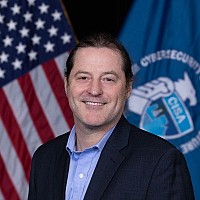 Chris ButeraTod Eberle (The Shadowserver Foundation, US), Adam Diament (Defense Criminal Investigative Service (DCIS), US), Stu W (NCSC, GB), Stewart Garrick (Shadowserver, GB), Chris Butera (CISA)
Tod Eberle is the Alliance Director at The Shadowserver Foundation, a nonprofit cybersecurity organization. Shadowserver collects cyber threat data at Internet-scale and distributes free daily network remediation reports to help 10,000+ organizations and National CSIRTs covering 175 countries secure their networks. Shadowserver also provides free support to many of the world’s most significant international Law Enforcement cybercrime disruption operations. Tod leads Shadowserver’s Alliance Partnership, a community of like-minded organizations that support Shadowserver’s nonprofit mission and work collaboratively to share information and address the latest cyber threats.
Prior to joining Shadowserver in 2023, Tod served for 19 years as a U.S. Department of Justice prosecutor where he specialized in investigating, prosecuting, and disrupting cybercrime activities committed by organized criminal groups and nation-state threat actors.
Adam Diament is a Special Agent with the Defense Criminal Investigative Service (DCIS), where he’s responsible for conducting complex cybercrime investigations, including investigations into botnets and malicious proxy services. Prior to joining DCIS, Adam worked as a Special Agent for the US Secret Service, where he specialized in cyber-enabled fraud and network intrusion investigations. He also served as a Cryptologic Linguist in the US Marine Corps and holds a bachelor’s degree from the George Washington University and a master’s degree from George Mason University.
Stu graduated in 2004 with a degree in Computer Science, before embarking on a career in cyber related roles for His Majesty’s Government. 22 years later, he’s still there. Stu moved to the National Cyber Security Centre in 2021 to head up the Incident Management operational team – a role that has kept him fairly busy for the last 5 years!
Outside of work Stu is an avid Manchester United fan and takes any opportunity to experience the great outdoors. He’s very much looking forward to spending some time in Colorado, where the landscape is considerably more dramatic than that of the UK!
Stewart Garrick (Law Enforcement Liaison and Operations Manager, male)
Has worked for the Shadowserver Foundation for over ten years, having previously served thirty years in UK Law Enforcement (twenty-seven years with the Metropolitan Police before moving to the National Crime Agency as a Senior Investigating Officer). As a career detective, he worked primarily on major crime units engaged in both proactive and reactive investigations, including many high-profile cybercrime cases as the senior investigator— such as the Dridex and Gameover Zeus botnet takedowns. He now works in Law Enforcement supporting roles for Shadowserver. He is currently actively engaged in multiple ongoing international investigations. He understands the operational challenges and differing evidentiary restrictions and capabilities across the EU and worldwide. His focus is always to help Law Enforcement achieve their intelligence and evidential needs in ways they can actually use. Qualifications: MSc in Countering Organised Crime and Terrorism at UCL and Certified Information Systems Security Professional (CISSP).
Chris Butera is the Acting Executive Assistant Director for the Cybersecurity Division of the Cybersecurity and Infrastructure Security Agency (CISA). As CISA’s senior career cybersecurity official, he is responsible for leading the agency’s mission to address the nation’s most significant cyber threats and vulnerabilities and to increase the security and resilience of U.S. critical infrastructure. Mr. Butera additionally serves as a board member for both the Technology Modernization Fund and the Federal Risk and Authorization Management Program (FedRAMP).
Mr. Butera brings a wealth of experience to his role with over 20 years in various Cybersecurity and Information Technology (IT) leadership positions in federal and local government as well as the private sector. Mr. Butera has led much of CISA's cyber defense operations, including the federal government's response to the most significant cybersecurity incidents facing the United States since 2014. Previous leadership roles at CISA include Senior Technical Director of the Cybersecurity Division (CSD), Associate Director of Threat Hunting, Deputy Director of the National Cybersecurity and Communications Integration Center (NCCIC), and Chief of the NCCIC Hunt and Incident Response Team.
Mr. Butera holds a Bachelor of Science degree in computer science from the University of Notre Dame and a Master of Science degree in computer science from the University of Chicago.
The panel will examine the operational means and challenges in each stage of the data‑sharing pipeline of the victim‑notification process associated with international law‑enforcement cybercrime takedowns and disruption operations. The panelists will include a federal law‑enforcement officer, a representative of the Shadowserver Foundation, and a representative of a National CSIRT, who each will provide their unique perspectives on the victim‑notification process from start to finish.
The discussion will include their respective roles in the data‑sharing pipeline; the current framework in place for sharing victim data on a global scale; the various operational means by which each entity shares data with third parties; limitations on data sharing due to legal, technical, and jurisdictional factors; overcoming challenges that arise in the process; and the impact of Early Warning Services and similar mechanisms by which National CSIRTs can most effectively share victim data with ISPs and help make notifications to end‑user victims.
June 15, 2026 14:40-15:25
- USTLP:CLEAR
Panel: Peak Performance Under Pressure: Building Cross-Functional Resilience in Incident Response
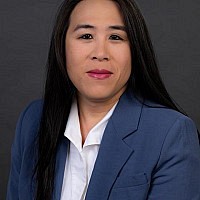 Merisa Lee
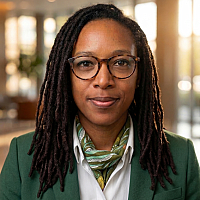 Brooke Pearson
 Melanie EnsignMerisa Lee (Okta (former), US), Brooke Pearson (Alphasense, US), Melanie Ensign (Discernible, US)
Merisa Lee is a seasoned security professional with over 27 years of experience in technology, including more than 15 years in cybersecurity. She has served as an engineer, people manager, and technical program manager, leading defensive operations and major incident response efforts at global companies such as Amazon, Meta, Cisco Meraki, DoorDash, Uber, Dell, and Okta.
Merisa specializes in building sustainable security programs, developing confident and empathetic leaders, and improving communication between security teams and executive stakeholders. Her experience across technical and leadership roles has shaped her practical approach to managing crises, fostering psychological safety, and guiding organizations toward long-term operational resilience.
Brooke Pearson is a Security TPM Director at Alphasense focused on adaptive security strategy, cross-functional risk management, and improving organizational response capabilities. Her background spans security and privacy incident response, operational resilience, and large-scale coordination across global teams. Brooke frequently works at the intersection of engineering, policy, and human factors, and has a strong interest in building trust, shaping governance, and aligning diverse teams during high-pressure events.
Melanie Ensign is a renowned communications strategist specializing in security, privacy, and risk. As founder and CEO of Discernible, she advises some of the world’s most recognized brands on incident communication, stakeholder trust, and organizational transparency. Previously, Melanie led global security, privacy, and engineering communications at Uber and served in key security communication roles at Facebook and AT&T. She brings deep expertise in navigating high-impact incidents, communicating uncertainty responsibly, and guiding executives through complex security crises.
Most incident response plans are designed for disasters, but these comprehensive frameworks often gather dust until a crisis strikes. Security incidents aren't rare catastrophes; they’re daily realities that occasionally escalate. This creates a dangerous paradox: IR plans that only activate once the business panics can become self‑fulfilling prophecies, broadcasting chaos through sudden behavioral changes and leaving teams unprepared.
This panel reunites four leaders who forged their IR philosophy in the trenches at Uber and have since operationalized it at Okta, Google, Cisco Meraki, and across Web3 security. We’ll share hard‑won lessons on embedding incident‑response methodologies into daily operations so teams practice constantly, build organizational trust before crises hit, and establish decision‑making authority in advance.
Attendees will leave with practical strategies to collapse the distance between daily ops and incident response, turning resilience from an aspiration into organizational muscle memory.
June 17, 2026 09:40-10:25
- FR TG MZ NA KE USTLP:CLEAR
Panel: Tips and Tricks to Run a CSIRT in Low-income and Fragile Contexts
 Ghislain de Salins
 Palakiyem Assih
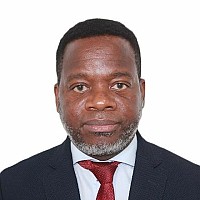 Sergio Guivala
 Thank-You HauwangaLawrence Muchilwa
 Anat LewinGhislain de Salins (World Bank, FR), Palakiyem Assih (CERT.tg, TG), Sergio Guivala (National Institute of Information and communication Technology (INTIC), MZ), Thank-You Hauwanga (Namibian CSIRT, NA), Lawrence Muchilwa (Forum of Incident Response and Security Teams, KE), Anat Lewin (World Bank, US)
Ghislain de Salins is the Global Lead for Cybersecurity at the World Bank. He has helped developing countries' governments and cybersecurity teams establish, operate, upgrade and finance CSIRTs across Western Africa, Eastern Europe, the Caribbean and East Asia Pacific. He recently published a practitioner note entitled "Digital First Responders", which focuses on how to successfully build CSIRTs in developing countries. He previously worked for the OECD as a cybersecurity policy analyst.
Anat Lewin is a Senior Digital Specialist focused on Cybersecurity and AI in the Digital & AI Vice Presidency at the World Bank. She joined the World Bank in 2000 and leads activities that advise developing country governments on their cybersecurity strategies and investments. This coming year, Anat’s projects include leading a cybersecurity academy program for policymakers in continental Africa and a new effort to make public sector data in developing countries ‘AI-Ready.’ With over 27 years of experience in digital development, she has worked on cybersecurity, digital government, data governance, Open Data, Big Data, and digital identification in 30 countries across regions including Africa, the Caribbean, the Middle East, and Eastern Europe. Anat holds a Master of International Affairs from Columbia University and a Bachelor of Arts in International Relations from the University of Toronto. Her commitment lies in supporting governments to build resilient digital ecosystems and advance data-driven policy. She speaks five languages, has three passports and loves animals of all kinds, especially dogs.
Palakiyem Assih is the Head of the CERT.tg, the national CERT of Togolese Republic and Technical Director of Cyber Defense Africa S.A.S (CDA).
CDA is the national cybersecurity services company, mandated by the Togolese Republic to ensure the operational security of information systems in Togo. CDA has a security operations center (SOC) and a computer emergency response team that operates the CERT.tg.
Prior to joining CDA and settling in Togo, Palakiyem has delivered cybersecurity projects within all EMEA (Europe, Middle East and Africa) geographic regions mainly with governmental institutions, financial institutions, telecoms and aircraft manufacturers.
Sérgio Henrique Guivala is a cybersecurity professional with nearly 20 years of experience in Information and Communication Technologies (ICT). He holds a degree in Computer Science from the Institute of Science and Technology of Mozambique (ISCTEM). He currently serves as Head of the Cybersecurity Department at the National Institute of ICT (INTIC) and as the National CSIRT Coordinator (nCSIRT.mz) for Mozambique. He is also a member of the SADC Regional CIRT Task Force, contributing to regional cybersecurity cooperation and incident response initiatives. Sérgio is a founding member of CERT_MZ, the first Computer Emergency Response Team established in Mozambique, and has played a key role in the development and strengthening of the country's cybersecurity ecosystem. Throughout his career, he has actively contributed to major national digital transformation initiatives, serving as a senior member of the coordination teams responsible for the development of the National Cybersecurity Policy and its Implementation Strategy, as well as the implementation of the Mozambique Digital Certification System.
His professional experience spans several public and private sector institutions, including the Information Technology Center at Eduardo Mondlane University, the National Commission for ICT Policy, the Medicines Regulatory Authority of Mozambique (CMAM), where he served as Head of the IT Department, and the Technical Unit for the Implementation of ICT Policy. He has also worked as an ICT consultant for various companies and non-governmental organizations. Sérgio has completed numerous specialized training programs in network administration and cybersecurity and holds industry-recognized certifications, including certifications from Cisco, Microsoft, and Certified Ethical Hacker (CEH). He was also a pioneer instructor in the Cisco Networking Academy program in Mozambique and later served as the National Coordinator of Cisco Academies, contributing significantly to ICT skills development in the country. His expertise includes cybersecurity governance, incident response, digital trust services, network infrastructure, capacity building, and national cybersecurity strategy development.
Thank-You Hauwanga is a Cyber Security Specialist at the Namibia Cyber Security Incident Response Team (NAM-CSIRT). She plays a key role in strengthening Namibia’s national cyber resilience through incident response, cyber threat intelligence, risk management, and cybersecurity capacity-building initiatives.
With over five years of experience in cybersecurity, specializing in incident response, cyber threat intelligence, ransomware response, vulnerability management, risk assessments, and cybersecurity governance. In her role, she works closely with government institutions, critical infrastructure operators, law enforcement agencies, and private sector organizations to strengthen Namibia’s national cyber resilience and enhance the country's cybersecurity capabilities.
Prior to joining NAM-CSIRT, she served as a Security Operations Centre (SOC) Analyst and Acting SOC Lead, leading teams responsible for monitoring and responding to cyber threats across multiple sectors, including banking, mining, telecommunications, and critical infrastructure. She holds a Bachelor’s Degree in Computer Science (Cyber Security) and a Bachelor Honours Degree in Informatics, along with several internationally recognized cybersecurity certifications. Passionate about advancing cybersecurity across southern Africa, and she continues to contribute to the advancement of cybersecurity capacity, regional collaboration, and the development of secure and resilient digital ecosystems across Namibia.
Mr. Lawrence Muchilwa is a highly accomplished professional in the fields of cybersecurity, IT operations, strategy, policy, and stakeholder engagement, with a particular focus on National CSIRTs, critical information infrastructure, cyber threat intelligence, and incident response management. Building on his academic background in Information Systems Technology, and Computer Science, he has over a decade of experience in diverse roles such as senior consultant, subject matter expert, lead trainer, and departmental head. He is currently the African Regional Liaison for the Forum of Incident Response and Security Teams and lead the Research and innovation working group at the Kenya Cybersecurity and Forensics Association.
Establishing and operating CSIRTs in low‑income, fragile environments can be particularly challenging. In many developing countries, CSIRTs face limited funding, uncertain legal landscapes, as well as difficulty in hiring and retaining skilled staff. Yet over the past decade, a growing number of low‑ and lower‑middle‑income countries have successfully established national and sectoral CSIRTs, often with support from development partners such as the World Bank and FIRST.
This panel will focus on practical lessons for doing more with less. Speakers from Togo, Sierra Leone, Mozambique, and the World Bank will share concrete “tips and tricks” based on real‑life experience: how to define a minimum viable CSIRT; prioritize services in the first 12–24 months; learn how to use open‑source tools and shared platforms (e.g., feeds from the Shadowserver Foundation, OpenCTI); build trust and legitimacy with constituents; and explore sustainable financing models from membership fees, government budgets, or private‑sector support.
Participants will leave with a realistic checklist, examples to replicate (and mistakes to avoid), and ideas for peer‑to‑peer collaboration.
June 16, 2026 14:35-15:20
- ARTLP:GREEN
Practical AWS Antiforensics
 Santiago AbastanteSantiago Abastante (Solidarity Labs, AR)
Former Police Officer from Argentina, now a Cloud Incident Responder and Security Engineer with over 10 years of IT experience. A Digital Nomad and international speaker, Santiago Abastante has presented on Cloud Security and Incident Response at Ekoparty, FIRST, Virus Bulletin (three times), Hack.Lu, and various BSides events worldwide. He holds a Bachelor's degree in Information Security and an MBA (Master in Business Administration).
What’s more frightening than a 0‑day? A series of false negatives combined with a false sense of security in an unprepared Security Operations Team. Today, most AWS detection and response strategies rely on CloudTrail and GuardDuty, with logs shipped to a SIEM — the heart of security monitoring. But few teams account for the complexity of this supply chain: multiple moving parts, permissions, policies, and inevitable delays. These blind spots create opportunities for attackers to quietly dismantle detection controls.
In this demo‑driven talk, I’ll explore the concept of Cloud Antiforensics. Using a real scenario with AWS API calls shipped to Datadog and a decoupled GuardDuty instance reporting to Discord, I’ll show how an attacker can disrupt log collection and evade detection within the delay window. The goal is not just to demonstrate attacks, but to raise awareness: centralizing everything in a SIEM is not enough. We must design anti‑antiforensics mechanisms that operate independently, ensuring resilience even when attackers target the detection pipeline itself.
June 19, 2026 10:00-10:45
- USTLP:GREEN
Proactive Defense and Collective ISAC Collaboration within Critical Infrastructure
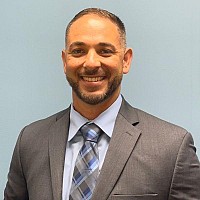 Zach Nelson
 Ethan MuntzZach Nelson (Health-ISAC, US), Ethan Muntz (Health-ISAC, US)
With over 15 years of experience in cyber and physical security, Zach Nelson currently serves as the Vice President of Health-ISAC's Threat Operations Center. He leads and mentors a global Threat Operations Center (TOC) responsible for producing and disseminating actionable cyber, strategic, and physical threat intelligence. Zach's leadership is instrumental in assisting Health-ISAC members in reducing their attack surface and significantly enhancing their security defenses. Furthermore, as the Health-ISAC liaison, he spearheads collaboration and innovation across the Cyber Threat Intelligence Program Development, Insider Threat, and Business Information Security Officer (BISO) working groups. His efforts drive these vital intelligence initiatives' ongoing refinement and success to support Health-ISAC membership. Zach holds a Master of Science in Cybersecurity and various certifications in cybersecurity, cyber threat intelligence, security operations, and incident response.
Ethan Muntz is a Strategic Threat Analyst at Health-ISAC. Combining interest in cybersecurity issues with international experience and intensive cybersecurity studies, Ethan aspires to bring unbiased trend analysis to the Health-ISAC membership. Ethan has spearheaded many strategic initiatives, such as joint research with members, a biweekly geopolitical newsletter, and monthly deep-dive reports into influential policy. Ethan also acts as the Health-ISAC liaison in joint research into the developing security risks facing healthcare, such as AI model poisoning and large-scale social engineering. Finally, Ethan facilitates two working groups at Health-ISAC, the Artificial Intelligence Working Group and the Regional Tensions Working Group.
Join us for an engaging session that shares key findings from the 2025 Annual Threat Report, with a specific focus on the maturation of ransomware campaigns and the evolving tactics of cybercriminal operations targeting critical health‑sector infrastructure.
The session will include insights into recent operations that successfully disrupted phishing and adversary tooling infrastructure. The session will also include insights from targeted alerts, demonstrating the value of proactive intelligence sharing in reducing vulnerabilities and maintaining business resilience.
We will close the session by highlighting the role of ISAC collaboration for coordinating defenses against complex supply‑chain risks. Participants will receive actionable strategies for implementing targeted intelligence and collective defense measures.
June 18, 2026 13:30-14:15
- JPTLP:CLEAR
Proactive EDR Against Adaptive Evasion: Countering Self‑Modifying Agentic Malware
 Hiroaki ToyotaHiroaki Toyota (LAC Co., Ltd., JP)
Hiroaki Toyota is an AI Researcher at LAC Co., Ltd., focusing on agentic AI and AI safety for cybersecurity. He leads R&D on AI-driven automation for security operations, AI red teaming, and safety evaluation. Previously, he developed machine learning and deep learning algorithms at an AI startup and has in-depth knowledge of AI architectures. His recent work on agentic AI for offensive security was presented at CODE BLUE 2025 in Tokyo.
Traditional defense models may soon face a formidable challenger: Self‑Modifying Agentic Malware, LLM‑guided code that continuously rewrites itself in response to local conditions, aiming to sidestep Endpoint Detection and Response (EDR). This talk presents a safe, containerized adversary‑emulation rig that demonstrates the observe–plan–act loop and showcases likely ATT&CK‑aligned techniques, from file‑less memory residence and process injection to polymorphic payloads and covert cloud‑based C2.
We then outline a Proactive EDR strategy built on five pillars, prominently featuring AI‑driven Intent‑Centric Correlation alongside sensor‑integrity checks, dynamic deception assets, moving‑target hardening, and risk‑based automated containment. Replayable telemetry, sample detection rules, and concise playbooks will be shared, enabling participants to reinforce their SOCs quickly with tool‑neutral methods and AI‑assisted analytics before this adaptive threat moves from laboratory proof‑of‑concept to real‑world incidents.
June 18, 2026 15:10-15:45
- USTLP:CLEAR
Protecting Customers Through Smarter OSS Management
 Lisa Bradley
 Patricia TarroLisa Bradley (Dell Technologies, US), Patricia Tarro (Dell Technologies, US)
Dr. Lisa Bradley is a distinguished cybersecurity expert and visionary leader, currently serving as the Senior Director of Product & Application Security at Dell Technologies. With over two decades of experience in enterprise-class engineering, including 13 years in product security leadership, Dr. Bradley has established herself as a trailblazer in the field of cybersecurity and vulnerability management.
In her current role, she leads Dell’s Product Security Remediation efforts, driving initiatives such as Vulnerability Response/PSIRT, post-GA security findings remediation, the Bug Bounty Program, Product 360 Risk, and Dependency Management. She also plays a pivotal role in supporting Dell’s Software Bill of Materials (SBOM) initiative, ensuring transparency and security across the product lifecycle.
Her commitment to advancing the cybersecurity industry extends beyond her corporate responsibilities. She is a frequent speaker at industry events and podcasts, and a proud co-author of the FIRST PSIRT Services Framework, contributing to global standards in incident response. Outside of her professional endeavors, Dr. Bradley enjoys spending quality time with her three children and friends. Her unwavering dedication to cybersecurity, combined with her leadership and advocacy, continues to inspire innovation and build trust in the ever-evolving landscape of technology and cyber defense.
Patricia Tarro is the Product Manager for Dependency Management at Dell Technologies. In this role, she is responsible for building and maintaining a platform that modernizes and adds efficiency to existing Dell processes related to the assessment of internal and external component security risk in product releases. Tricia has over 30 years of Information Technology experience, having spent the most recent years in Dell’s Product and Applications Security team.
In 2020, she earned a master’s degree in Administration of Justice and Homeland Security with a concentration in Cybersecurity and Intelligence. Currently she is pursuing a doctoral degree in Homeland Security at St. John’s University in Queens, NY. Her research focus is software supply chain security. Tricia is the Branch Assistant for Supply Chain Risk Management in the U.S. Coast Guard Auxiliary Cybersecurity Directorate.
As organizations increasingly rely on Open Source Software (OSS) to drive innovation, strong security practices are critical to safeguarding customers. This session provides a practical roadmap for building a mature OSS security strategy — from defining trusted OSS and maintaining secure repositories to generating Software Bills of Materials (SBOMs) for visibility, dependency tracking, incident response, and end‑of‑life planning.
Drawing on real‑world lessons from Dell Technologies’ OSS security journey, we’ll share challenges faced, strategies implemented, and actionable insights for creating a scalable, resilient framework. Attendees will learn how to select trustworthy OSS, proactively address vulnerabilities, and stay current with secure versions — transforming OSS management from a compliance task into a strategic advantage.
Whether you’re starting your OSS program or looking to strengthen it, this talk equips you with the tools to protect customers and secure your open‑source future.
June 18, 2026 13:30-14:15
- JP TWTLP:AMBER
PSIRT 2.0 in Action: Implementing Agentic AI Architecture for Autonomous Operations
 Hikohiro Lin
 Ken Lee
 Kosuke ItoHikohiro Lin (GMO Cybersecurity by IERAE, Inc., JP), Ken Lee (Ken Associates LLC, TW), Kosuke Ito (GMO Cybersecurity by IERAE, Inc., JP)
Hikohiro Lin had been in charge of Product Security at Panasonic headquarters for over 15 years. He led several projects, including devising and deploying security test methods and risk assessments for IoT devices, formulating product security standard rules and guidelines, building a global product security system, formulating head office product security strategies, establishing Panasonic Cyber Security Lab for future cybersecurity research and product-focused security incident responses team, etc. He had served as Head of Panasonic PSIRT, Head of Product Security at Panasonic Global, and Director of Panasonic Cyber Security Laboratory. Also, He has received (ISC)² ISLA(Information Security Leadership Achievement)APAC Senior Information Security Professional 2018 Showcased Honoree and Community Service Star. He is Review Board member of HITCON and HITB(Hack In The Box) and a much used cyber security speaker at many international conferences such as Black Hat, CODE BLUE, Kaspersky Security Analyst Summit (SAS), HITCON and Government invited roundtable Panelist. He is currently appointed to Sr. Executive Officer of GMO Cybersecurity by IERAE, Inc.
Ken Lee is a security professional who serves as both an Independent Security Advisor and a Security Consultant at Amazon Web Services. He provides vulnerability response and cloud security governance consulting expertise in his independent role. Prior to AWS, Ken served as the Product Security Officer at Synology, where he led the Bug Bounty Program and the Security Incident Response Team, overseeing critical security operations across the organization. Ken's industry leadership includes serving on the program committee of the 36th Annual FIRST Conference and VulnCon 2026. He has been an active contributor to the security community, sharing his expertise in Product Security and CVE Program management through speaking engagements and community initiatives.
Kosuke Ito is an IoT security expert with over 15 years of experience and was the first PSIRT leader founding the product security activities at JVCKENWOOD Corp. before joining GMO Cybersecurity by IEARE. He had led several projects to found the basic security activities, including formulating corporate product security policy, strategies and product security standard rules and guidelines including deployment of security test methods and risk assessments for IoT devices, formulating product security incident response system (PSIRT) and guidelines, and developing the product security educational materials and delivering seminars group-wide, etc. He had played a key role in promoting group-wide product security at JVCKENWOOD. He also founded a manufacturing industry-wide product security promotion council and played a key role in developing the IoT security certification program, the first in Japan.
The PSIRT 2.0 vision promises AI‑assisted ecosystem coordination to address the sustainability crisis facing product‑security teams: 40,000+ annual CVEs, complex supply chains, and unprecedented regulatory pressure from EU CRA, NIS2, and global SBOM mandates. However, early implementation attempts reveal a critical tension: PSIRT decisions require precision that pure AI automation cannot guarantee, yet human‑only operations cannot achieve the necessary scale.
This presentation concludes our three‑year trilogy at the FIRST Annual Conference, progressing from understanding Japan’s manufacturing readiness (2024), introducing PSIRT 2.0 with generative‑AI foundations (2025), to demonstrating practical agentic‑AI implementation with essential human oversight (2026).
This session presents architectural patterns and findings from developing augmented‑intelligence systems that balance automation with human judgment, and provides practical blueprints for organizations seeking to implement PSIRT 2.0. Building on our 2025 Retrieval‑Augmented Generation (RAG) demonstrations, we present the evolution to multi‑agent systems that automate complex PSIRT workflows while maintaining human insight for critical decisions.
Our research reveals that while 85% of APAC PSIRTs operate with fewer than five members, agentic AI can amplify their capabilities — but only when guided adequately by human expertise.
June 18, 2026 10:55-11:30
- TTTLP:CLEAR
Reimagining Interactive Training Tools
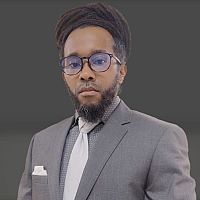 Rick Logan-StanfordRick Logan-Stanford (Trinidad and Tobago Cyber Security Incident Response Team, TT)
A dynamic professional with a passion for driving innovation and fostering collaboration, bridging the gap between technology and strategic business outcomes. A Cyber Security Professional with over 11 years of experience designing, maintaining, and troubleshooting complex systems. A results-oriented cybersecurity professional with a strong foundation in incident response procedures and cyber law/diplomacy. With an approach that emphasizes the importance of safeguarding critical infrastructure while fostering international collaboration to address the evolving threat landscape; combining technical expertise with strategic thinking and international collaboration to advance cybersecurity capabilities and resilience.
As the technological landscape evolves, our approach to cybersecurity training and capacity building must adapt in tandem. The CORE initiative has championed innovative methods to empower defenders, enabling them to not only enhance their own capabilities but also effectively elevate the security posture of their constituencies. Drawing upon extensive experience facilitating training for the global community through FIRST, this project represents a collaborative effort alongside two FIRST members, Bahamas and New Zealand, to transform a foundational concept into an actionable, strategic framework.
Originating from collaborative discussions at a previous conference, in Copenhagen, this initiative introduces a revitalized perspective on interactive learning. Supported by the CORE initiative, we successfully developed a portable, highly effective, and immersively interactive training solution. This dynamic platform grants trainers complete autonomy while providing participants with practical, real-world experience—representing a crucial evolution beyond the traditional, static formats of Tabletop Exercises (TTX) and Capture the Flag (CTF) events.
June 16, 2026 11:45-12:20
- TLP:RED
SecLounge SIG - Closed Meeting (14:00-15:00)
Special Interest Groups exist to provide a forum where FIRST members and non-members can discuss topics of common interest to the Incident Response community. A SIG is a group of individuals composed of FIRST Members and invited parties, typically coming together to explore an area of interest or specific technology area, with a goal of collaborating and sharing expertise and experiences to address common challenges.
This is a CLOSED meeting only exisiting members of the SecLounge SIG should attend. If you have interest in joining the group, submit an application here: https://www.first.org/global/sigs/seclounge/
MORE:
The Security Lounge SIG designs, develops, and conducts security challenge and competition exercises for the FIRST.org community. Our flagship event is held during the FIRST annual conference. This SIG will maintain an archive of exercises for related events and to be made available to FIRST.org members to adapt for their own training and event exercises.
June 15, 2026 14:00-15:25
- PHTLP:CLEAR
Securing Government Digital Assets: The Philippine Experience - From Policy to Operation (13:45-14:30)
 George TardioGeorge Tardio (CERT-PH, PH)
George P. Tardio is a Professional Electronics Engineer (PECE) and an alumnus of the University of the East (UE). He finished his Master’s Degree in Information Management (MIM) also at UE with his Independent Study (thesis) entitled “IPv6: Handbook of Requirements, Migration Strategies and Action Plans for Philippine Government Agencies. He is also completed the Graduate Certificate Course on Corruption Prevention (GCCCP) at the Development Academy of the Philippines (DAP).
A Certified Ethical Hacker, Engr. Tardio has almost 30 years of professional work experience in the field of public telecommunications’ planning and implementation and Cybersecurity. He is currently the Officer-In-Charge Director of the Cybersecurity Bureau under Department of Information and Communications Technology – Philippines and also the Head the Philippine National Computer Emergency Response Team (CERT-PH).The Philippines' Department of Information and Communications Technology (DICT), through its Cybersecurity Bureau and CERT-PH, has issued three Department Circulars establishing cybersecurity minimum standards, a national Safe Harbor Policy and Bug Bounty Program, and the Cybersecurity Posture Assessment Laboratory (CPAL) accreditation framework.
This session presents how the Philippines operationalizes these policies at national scale through Project PRISM — monitoring over 30,000 government digital assets — and the DTAP (DICT Trusted Assessment Provider) Framework, which accredits private sector providers to conduct vulnerability assessments across 800+ government agencies.
Attendees will learn how a resource-constrained national CERT built an integrated ecosystem of policy, technology, and community engagement to address escalating threats and new legislative mandates.
June 16, 2026 13:45-14:30
- CATLP:CLEAR
Seeing Through the Fog: Interpreting Entra ID Signals During AiTM Attacks
 Pierre AudonnetPierre Audonnet (Microsoft, CA)
For the past decade, Pierre Audonne has worked with SOC teams of all sizes to help them detect, investigate, and respond to modern threats. Pierre's primary focus is the Microsoft identity stack (Entra ID and the full suite of on-premises Active Directory technologies). He specializes in understanding attacker tradecraft and translating it into practical detection strategies for defenders. When he's not helping my customers with their cyber fires, he's creating and teaching technical workshops and helping large organizations deploy Zero Trust architecture.
This session focuses on what AiTM activity looks like inside Entra ID: the key authentication events, token behaviors, and anomalies attackers leave behind. We then cover how to surface and interpret these signals, using KQL only as an example to navigate telemetry (especially since Entra ID logs are often unclear or incomplete).
Attendees leave with a clear takeaway: practical patterns, investigative cues, and a short list of effective mitigations to quickly detect and block AiTM techniques in real environments.
June 19, 2026 09:10-09:55
- TWTLP:GREEN
Shattering the Compliance Illusion: Operationalizing Adaptive Multi-Turn Red-Teaming for Enterprise AI Assurance
 Kuan-Lun LiaoCheng-Lin YangKuan-Lun Liao (CyCraft AI Lab, TW), Cheng-Lin Yang (CyCraft AI Lab, Taiwan, TW)
Kuan-Lun Liao is a data scientist at CyCraft Technology responsible for applying various NLP techniques to solve cybersecurity issues, focusing on AI system compliance testing and automated threat intelligence integration. He was a speaker at FIRST CTI, CYBERSEC, and SECCON. His work has been published in ICML, ICLR, and AAAI, three of the world's leading machine learning conferences.
Dr. Yang Cheng-Lin, the data science director at CyCraft Technology, holds a PhD in Artificial Intelligence from the University of Edinburgh. His focus is on security issues in AI applications. His notable work has been featured at prestigious academic conferences like EMNLP and NeurIPS, and his expertise has been showcased at various cybersecurity conferences, including the FIRST CTI Summit, Black Hat USA, Code Blue Japan, HITCon Enterprise, and SINCON.
Modern enterprises are deploying LLMs into high‑risk workflows at a rapid pace, yet many rely on static, single‑shot testing to satisfy compliance requirements. This approach creates a dangerous illusion of safety. Our research into real‑world deployments, including a top‑tier medical institution and a leading enterprise AI provider, reveals that over 90% of vulnerabilities remain invisible to static tests, surfacing only through adaptive, multi‑turn interaction.
This session introduces an automated operational framework for Adaptive Multi‑Turn Red‑Teaming. We apply a closed‑loop validation model where testing strategies evolve based on model refusals to uncover hidden risks like policy disclosure and jailbreaks. Attendees will learn how to integrate this methodology with the OWASP AI Testing Guide, transforming theoretical checklists into continuous, resilient security controls within their SDLC and MLOps pipelines.
June 17, 2026 14:20-14:55
- TWTLP:GREEN
Short Videos, Crypto, and Crime: Inside the Chinese-Speaking Malware Ecosystem
 Linda Kuo
 Li-An HuangLinda Kuo (TeamT5, TW), Li-An Huang (TeamT5, TW)
Linda Kuo is currently a Senior Threat Intelligence Analyst working in TeamT5. She devoted herself to cyber intelligence research especially in APT attacks and Chinese cybercrime underground market. She is also a frequent speaker at international conferences and private seminars, including BHA, HITB, CODEBLUE, etc.
Li-an Huang is a CTI Analyst at TeamT5. His research interests include Information Operations (IO), Advanced Persistent Threats (APTs), and China’s cyber ecosystem. Before joining TeamT5, he worked as a legislative assistant at Taiwan's Parliament.
Telegram has emerged as a major hub in the underground cybercrime ecosystem. In this talk, we present firsthand observations from our analysis of how malware is advertised and sold in Chinese Telegram channels. As short‑video platforms and cryptocurrency apps gain popularity, we’ve seen threat actors increasingly exploit these trends to trick users into installing malicious software.
We will share two recent campaigns — one aimed at users in China and Malaysia, and another targeting South Korea — both of which distribute trojanized APKs masquerading as legitimate apps. By examining these operations, we aim to clarify how threat actors function in these regions and how they leverage trusted platforms to broaden their reach.
June 16, 2026 09:00-09:35
- TLP:CLEAR
SIG Updates
Come learn more about the FIRST Special Interest Groups (SIGs)! A few groups will be sharing updates. Learn more and apply to join groups at: https://www.first.org/global/sigs/
June 18, 2026 09:00-10:25
- DETLP:AMBER
Sliding into the Enemy’s DMs: Detecting SaaS-Backed Malware C2
 Patrick StaubmannPatrick Staubmann (VMRay GmbH, DE)
Patrick Staubmann joined VMRay in 2019 as a Threat Researcher and has been leading the Threat Analysis team for over two years now. His work focuses on researching the evolving threat landscape and performing in-depth malware analysis, with interests in reverse engineering, low-level system security, and exploitation. In addition, he lectures at university on Network Security, System Exploitation, and Low-Level Programming.
Threat actors increasingly “live off the SaaS land” by abusing well‑known collaboration and gaming platforms as covert command‑and‑control (C2) channels. This talk presents findings from ongoing research into e‑crime malware families that use services like Telegram, Discord, Steam, and others for C2, exfiltration, and dead‑drop resolving.
By leveraging a malware sandbox with full visibility into decrypted TLS traffic, we analyze how these families structure their communication: API usage, message formats, embedded configuration data, and the delivery of second‑stage payloads via legitimate services. From these patterns, we derive network‑level fingerprints and YARA rules on plaintext traffic that enable robust detection, hunting, and clustering of related malware families.
Finally, for cases where blocking these services is not feasible, we discuss realistic options for SOC analysts and incident responders on how to operationalize SaaS‑backed C2 telemetry in incident‑response workflows.
June 16, 2026 11:45-12:20
- GR LTTLP:GREEN
Standing Strong in a Cyber Crisis: The Assurance Every Organization Must Have
 Andrea Dufkova
 Vilius BenetisAndrea Dufkova (ENISA, GR), Vilius Benetis (NRD Cyber Security, LT)
Ms. Andrea Dufkova is a senior cyber security expert at the European Union Agency for Cyber Security (ENISA), where she has driven the development of CSIRTs and strengthened incident management capabilities across Europe since 2008. A certified SIM3 auditor and long-standing member of TF-CSIRT and FIRST, Andrea brings first-hand expertise in operational readiness, crisis coordination, and maturity assessment. She has led high-impact ENISA initiatives, including operational training programmes, the CSIRTs Network Secretariat, the Cyber Partnership Programme, and the EU Cybersecurity Reserve. With a track record of shaping pan-European crisis response and collaborating closely with governments, industry and global cyber communities, Andrea offers a strategic and practical perspective on how organizations can build resilience and maturity to face emerging cyber crises.
Dr. Vilius Benetis is a cybersecurity capacity building expert who leads a team of experts to consult, establish and modernise CSIRTs/SOCs for governments, organisations and sectors in Africa, Asia, Europe and Latin America. He is an active contributor to the development of practical cybersecurity methodologies for FIRST.org, GFCE, ITU, and ENISA.
To ensure resilience, all organizations must maintain the continuity of their most important business processes and develop incident‑response capabilities. These are needed to handle all kinds of crises, i.e., adverse events that strongly impact an organization's ability to execute. However, the current unpredictable nature of cyber threats and the emergence of new attack methods create uncertainty for managers. Are organizations ready to handle the next cyber crisis effectively?
This presentation will introduce ENISA's new Cyber Crisis Maturity Model, which is aligned with SIM3. Through real‑world examples, it will demonstrate the model's practical value and explain the assurance it provides. The presentation will show how such a model can benefit SOCs, CSIRTs, and CISOs in achieving their objectives.
June 16, 2026 09:00-09:35
- DETLP:CLEAR
Stop Hitting Yourself: Turning Evasion Techniques Against Malware
Patrick StaubmannPatrick Staubmann (VMRay GmbH, DE)Patrick Staubmann joined VMRay in 2019 as a Threat Researcher and has been leading the Threat Analysis team for over two years now. His work focuses on researching the evolving threat landscape and performing in-depth malware analysis, with interests in reverse engineering, low-level system security, and exploitation. In addition, he lectures at university on Network Security, System Exploitation, and Low-Level Programming.
Evasion techniques are among the most damaging tactics malware can employ, yet recent advances in both attacks and defenses have not been widely covered. While some samples rely on popular and easy to defeat tricks copy-pasted from open-source GitHub projects, others reveal the hand of highly skilled developers who demonstrate deep insights of operating system internals and nearly push the techniques into an art form. In this talk, we'll explore how attackers try (and fail) to hide from sandboxes, EDR tools, and analysts – from rudimentary yet popular checks to sophisticated state-of-the-art virtual machine evasion techniques leveraging low-level programming tricks and system internals. You'll learn why incident responders and analysts must rethink their assumptions, and how simple and sophisticated evasion attempts can be turned into powerful detection opportunities. Expect a mix of retrospective content, real-world field insights, and forward-looking trends – with actionable takeaways designed to sharpen your detection strategy and inspire new defensive approaches.
June 17, 2026 11:35-12:20
- USTLP:GREEN
Stripe's Insider Threat Common Controls Framework
 Shauna Stoeger
 Josh CoveyShauna Stoeger (Stripe, US), Josh Covey (Stripe, US)
Shauna Stoeger is a Security Investigative Analyst focused on maturing Stripe's Insider Threat program. She transitioned to tech after nearly five years as an FBI Intelligence Analyst, first tackling trust and safety at Meta before specializing in insider risk at Stripe. When not at work, you can usually find her outside, either running with her pitbull, regardless of the Wisconsin seasons, and/or gardening when the seasons allow.
Josh Covey is an engineering manager with +10 years of experience in security, having led teams at Stripe and Facebook focused on insider threat detection and incident response. Prior to working in tech, he freelanced as an interpreter and translator for Spanish < > English. When not at his desk, he enjoys cycling, PNW nature, and handling a stubborn Bernese Mountain Dog named Snickers.
Managing insider risk is a complex challenge, often leaving security teams with reactive, hard‑to‑measure programs. This presentation details the journey of developing and implementing a bespoke maturity‑assessment model: Stripe’s Insider Threat Common Controls Framework (ITCCF).
We will explore the core principles that guided its creation, from its foundational pillars of Prevention, Detection, and Response, to the five‑level maturity scale used for assessment. This presentation will focus on the process: how we identified key controls, benchmarked them against industry standards, and built a framework tailored to our organization’s unique risks.
Attendees will gain insight into how Stripe has utilized this framework to methodically assess insider‑threat controls, using the findings to drive cross‑functional priorities within the insider‑risk space.
June 16, 2026 09:40-10:25
- CATLP:GREEN
Syndicate: The Life of a Ransomware Affiliate
 Tammy HarperTammy Harper (Flare, CA)
Tammy Harper is a Senior Threat Intelligence Researcher at Flare, specializing in dark web ecosystems, ransomware affiliate operations, and adversary psychology. Her work combines technical analysis with narrative and sociological approaches to understand how modern cybercriminals think, organize, and operate. Tammy regularly presents at international conferences and leads workshops on cybercrime operations, cryptocurrency investigations, and adversary tradecraft. Her prior talks, including Persona Theory, explore the human dynamics behind threat actors, blending intelligence analysis with storytelling to make complex underground systems accessible and actionable for defenders.
Ransomware is a gig economy fueled by ego, rivalry, and burnout. Syndicate exposes the actual human workflows behind modern RaaS operations. With in‑depth analysis of leaked internal RaaS chat logs, playbooks, and wallet tracking, this talk reconstructs the daily grind of the modern RaaS affiliate.
We track the evolution of three distinct operator archetypes:
- The Skid: hunting for opportunistic shortcuts and quick flips.
- The Mid‑Tier Merc: balancing tooling investment, reputation, and the hustle.
- The Syndicate: navigating bureaucracy and betrayal within cartels like Conti, BlackBasta, and LockBit.
- Through POV storytelling and reconstructed operational artifacts, we will dissect how these actors actually approach reconnaissance, negotiation, and OPSEC — and where they screw up.
We will explore the psychology and external influences — like greed, social pressures, and geopolitics — that shape the human behind the keyboard. Defenders will leave with a realistic mental model of the affiliate lifecycle, identifying exactly where to disrupt operations before the threat actors come knocking.
June 16, 2026 09:40-10:25
- CATLP:CLEAR
Sysmon Deep Dive: Real Detection Scenarios You Can Reproduce
Peter MorinPeter Morin (PwC, CA)Peter Morin is a Senior Consultant specializing in OT/IoT cybersecurity, bringing over 25 years of industry experience to the table. With a robust background information technology and cybersecurity, Peter has become a trusted advisor to organizations navigating the complex and rapidly evolving landscape of operational technology security. His expertise encompasses the full spectrum of OT/IoT security, from risk assessment and vulnerability management to the design and implementation of comprehensive security frameworks to the deployment of OT passive monitoring solutions.
Peter has successfully led numerous high-profile projects across diverse sectors, including energy, manufacturing, and critical infrastructure, helping clients safeguard their systems against emerging threats. His hands-on experience in the field is complemented by a deep understanding of regulatory requirements and best practices, ensuring that his solutions are both effective and compliant.
In addition to his consulting work, Peter is a frequent speaker and educator, regularly presenting at industry conferences and contributing to leading cybersecurity publications. He holds multiple certifications, including CISSP, CISA, CGEIT, CRISC, CDPSE and GCFA, and is actively involved in professional organizations such as ISACA. Passionate about advancing the state of OT/IoT cybersecurity, Peter is dedicated to helping organizations build resilient systems that can withstand the challenges of today's dynamic threat environment.
This demo-driven session presents a production-grade Sysmon configuration and shows how to convert Sysmon events into reliable detections. Through curated demos (certutil/LOLBin download, CreateRemoteThread injection, and suspicious network callback correlation) and pre-prepared telemetry walkthroughs, attendees will learn practical detection patterns and how to operationalize them in modern SIEMs.
June 16, 2026 13:45-14:30
- USTLP:CLEAR
Tabletop Lessons from 3 Decades and 2 Continents
 Kenneth Van WykKenneth Van Wyk (KRvW Associates, LLC, US)
Kenneth R. van Wyk is an internationally recognized information security expert and author of three popular books, Enterprise Software Security, Secure Coding, and Incident Response. In addition to providing consulting and training services through his company, KRvW Associates, LLC (https://KRvW.com). He also currently is a faculty member at IANS Research (https://iansresearch.com) and a visiting scientist at Carnegie Mellon University’s Software Engineering Institute.
Ken served 11 years on the Forum of Incident Response and Security Team’s (FIRST, https://first.org) Steering Committee and Board of Directors. Ken was previously the project founder and leader of the Open Web Application Security Project (OWASP) iGoat project (https://github.com/owasp/igoat) and served 10+ years on the Board of Directors for SecAppDev (http://secappdev.org).
Ken has over 30 years experience as an IT Security practitioner in the commercial, academic, and military sectors. He has held executive and senior technologist positions at Tekmark, Para-Protect, Science Applications International Corporation (SAIC), the U.S. Department of Defense, Carnegie Mellon University, and Lehigh University.
At Carnegie Mellon University’s Software Engineering Institute, Ken was one of the founders of the Computer Emergency Response Team (CERT®). He holds a mechanical engineering degree from Lehigh University and is a frequent speaker at technical conferences, and has presented tutorials and technical sessions CSI, ISF, USENIX, FIRST, AusCERT, and others.
Elliott Atkins is the founder of Exercise3, an NCSC-UK assured provider of cyber incident exercising which uses realistic scenarios to help organisations test and improve their cyber incident preparedness. Prior to founding Exercise3, he held a series of senior roles, including Head of the UK Government’s Computer Emergency Response Team (GovCertUK), Head of Cyber Intelligence at QinetiQ and Head of Incident Response at Nominet, the UK top-level domain registry.
Elliott is a Professor of Practice at the University of Wales Trinity Saint David, a Fellow of the British Computer Society and a FIRST Liaison Member. He was appointed by Her Majesty the Queen as the first Chief Information Security Officer to the Royal Household in 2021.
The authors have decades of experience in incident response operations as well as in building and delivering realistic tabletop exercises across two continents. In this session, they dive deeply into the most common and painful lessons they've observed, and how to prevent them.
June 17, 2026 13:30-14:15
- USTLP:AMBER
Tackling Bulletproof Hosting: Cutting off the Facilitators
 Matthew StithMatthew Stith (Spamhaus, US)
Matt Stith
Community & Industry Outreach for Spamhaus and abuse.ch
Matt is a seasoned anti-abuse advocate with over a decade of experience in email, cloud hosting, and general internet abuse. The internet community is where his passion lies. By coming together and sharing lessons learned, Matt believes that this community has the power and means to combat abuse on the internet.
As Community & Industry Outreach for Spamhaus and abuse.ch, Matt gets to put his experience into practice; working alongside a multitude of companies and organizations to drive forward the mission of making the internet a safer place for everyone.
Present-day bulletproof hosting providers (BPHs), particularly those based in Western jurisdictions, are increasingly operating through “non-monolithic” structures: By distributing key functions across multiple business entities, they obscure responsibility for abusive activity, becoming far more resistant to takedowns. What was once an advantage—owning everything from datacenter to virtual machines—has become a liability to BPHs, pushing them towards fragmented, disposable infrastructures.
In this TLP:AMBER session we will present two case studies of non-monolithic BPHs, and:
- Show how they evade anti-abuse countermeasures.
- Discuss ways to incentivize cybercrime facilitators to adopt stronger vetting and abuse prevention.
- Explain Spamhaus’s approach to balancing protection, increasing costs for bad actors, and coordination with law enforcement and the infosec community.
June 18, 2026 10:55-11:30
- JPTLP:CLEAR
Technical Recovery Plan (TRP) Exercise in a Cloud-Native Environment: Practical Lessons from a Ransomware Scenario
 Masanori MorinoMasanori Morino (KINTO Technologies Corporation, JP)
Masanori Morino is a member of KINTO Technologies’ Security & Privacy Department and also contributes to the Toyota Financial Services IS Team. His work focuses on product security and security governance, and he joined KINTO Technologies in July 2022. He developed an interactive information security education program using board games, applying participatory methods to make security risks tangible and relatable across departments, including the use of generative AI to craft realistic training scenarios.
This session presents a practical case study of conducting a Technical Recovery Plan (TRP) exercise in a cloud‑native environment, triggered by a real‑world ransomware incident. The presentation covers the background and motivation for the exercise, the preparation process — including scenario design, product selection, and recovery planning — and the execution of the training itself.
Special attention is given to risk assessment and recovery strategies for AWS Aurora DB, as well as the challenges faced in restoring encrypted data and maintaining business continuity. Key lessons learned include the importance of clear communication, efficient information sharing, administrator‑account protection, and defining service‑level agreements (SLA) for recovery.
Attendees will gain actionable insights into operationalizing incident‑response methodologies and strengthening organizational resilience against ransomware and other cyber threats.
June 18, 2026 11:35-12:10
- ILTLP:CLEAR
The AI Assistant’s Betrayal: One-Click for AI to Turn into the Perfect Insider
 Dolev Taler
 Mark VaitsmanDolev Taler (Varonis, IL), Mark Vaitsman (Varonis, IL)
Dolev Taler is a senior security researcher at Varonis threat labs with over a decade of cybersecurity experience spanning red teaming, reverse engineering, vulnerability research, and malware analysis. He is passionate about machine learning and its pivotal role in modern threat detection, having developed advanced detection models, investigated ransomware attacks for major global enterprises, and reported vulnerabilities in critical infrastructure systems. Beyond tackling high-stakes cyber threats, Dolev also enjoys perfecting the art of coffee brewing and improving his lock-picking skills.
Mark Vaitsman is a Security Research Team Leader at Varonis, a leader in Data Security. He is a passionate cybersecurity expert with extensive experience in leading security threat and research teams in various Cyber Security companies, analyzing emerging threats, incident response and developing innovative solutions. Mark is also a lecturer of Cyber Security courses, sharing his knowledge and shaping the next generation of cybersecurity professionals. Previously spoken at BlackHat, DeepSec, RSAC, CrestCon. In his free time he likes sailing in the sea and riding a motorcycle.
AI assistants feel like trusted companions — we share sensitive data, seek advice, and rely on them without hesitation. But what happens when that trusted companion turns into an insider threat with just one innocent click?
In this talk, we reveal a family of vulnerabilities we discovered in widely used AI assistants — among the most dangerous identified in the AI era, both for their ease of exploitation and their potential impact.
This session spotlights RePrompt, a one click attack that turns a harmless link into a data exfiltration weapon. This technique takes advantage of how AI assistants interpret link based input, making them execute hidden instructions automatically — leaking confidential data and even sending it to an attacker controlled server using Chain-Request vulnerability.
We’ll explore:
- How employing prompts as parameters in AI platforms can lead to unforeseen risks.
- Two critical vulnerabilities:
- MS Copilot Exposure: A single click can unlock the entire user conversation history and stored memories.
- How to weaponize AI assistants to leak PII and organizational secrets through crafted links
- Why 1 click attacks can be more devastating than 0 click exploits.
Beyond showcasing these attacks, we’ll discuss real world implications and outline practical defense strategies for users and enterprises. Finally, we’ll provide guidance for security researchers on identifying other platforms vulnerable to RePrompt.
June 19, 2026 11:00-11:45
- USTLP:GREEN
The Art of the Notification
 Daniel GordonDaniel Gordon (US)
Daniel Gordon, CySA+, CISSP, CEH, GCIA, GCTI, GCFA is a cyber threat intelligence analyst with a background in network defense, digital forensics, incident response, and IT support. He has degrees in Political Science as well as Modeling and Simulation. He has published blogs in Dark Reading, War on the Rocks, and Risky.biz and spoken at a large number of events including MTEM, FTSCon, and SleuthCon.
My name is Daniel Gordon and I am a security researcher and expert on North Korean hacking. This message is to let you know that you have a serious problem and I encourage your team to take appropriate steps or relay this message to the correct individual. This talk is about the art of notification. Periodically security researchers will come across evidence of the successful or attempted compromise of an individual or organization. I certainly have, as part of analyzing North Korean activity for most of the past 10 years in both public and private sector. This talk will explore the decision about whether to perform a victim or target notification, the best approaches to conducting notifications, what information to include, and how to handle a notification when you are on the receiving end. This presentation will include some real-world examples (anonymized) of notifications gone right, as well as notifications gone wrong.
June 16, 2026 10:55-11:40
- USTLP:CLEAR
The Clock is Ticking: CRA Compliance at Scale
Lisa Bradley Sarah EvansLisa Bradley (Dell Technologies, US), Sarah Evans (Dell, US)
Dr. Lisa Bradley is a distinguished cybersecurity expert and visionary leader, currently serving as the Senior Director of Product & Application Security at Dell Technologies. With over two decades of experience in enterprise-class engineering, including 13 years in product security leadership, Dr. Bradley has established herself as a trailblazer in the field of cybersecurity and vulnerability management.
In her current role, she leads Dell’s Product Security Remediation efforts, driving initiatives such as Vulnerability Response/PSIRT, post-GA security findings remediation, the Bug Bounty Program, Product 360 Risk, and Dependency Management. She also plays a pivotal role in supporting Dell’s Software Bill of Materials (SBOM) initiative, ensuring transparency and security across the product lifecycle.
Her commitment to advancing the cybersecurity industry extends beyond her corporate responsibilities. She is a frequent speaker at industry events and podcasts, and a proud co-author of the FIRST PSIRT Services Framework, contributing to global standards in incident response. Outside of her professional endeavors, Dr. Bradley enjoys spending quality time with her three children and friends. Her unwavering dedication to cybersecurity, combined with her leadership and advocacy, continues to inspire innovation and build trust in the ever-evolving landscape of technology and cyber defense.
Sarah Evans delivers technical innovation for secure business outcomes through her role as a distinguished engineer and the security applied research program lead in the Office of the CTO at Dell Technologies. She is an industry leader and advocate for extending secure operations and supply chain development principles in AI. Sarah also ensures the security research program explores the overlapping security impacts of emerging technologies in other research programs, such as agentic AI. Sarah partners with engineering, product security, cyber security and IT teams to incorporate applied research to evolve product and business processes.
She leverages her extensive practical experience in security and IT, spanning small businesses, large enterprises (including the highly regulated financial services industry and a 21-year military career), and academia (computer information systems). She earned an MBA, an AIML professional certificate from MIT, and is a certified information security manager (CISM). Sarah is also a strategic and technical leader representing Dell in OpenSSF, a foundation for securing open-source software. Sarah is based in Denver, Colorado.
The Cyber Resiliency Act (CRA) was passed into EU law in 2024, and the clock is ticking. Manufacturers of products with digital elements must begin actively exploited‑vulnerability reporting in 2026, with full compliance enforceable in late 2027.
This talk will share the approach taken by a large tech company, which includes analyzing requirements and intent into actionable items to drive product teams toward compliance and roadmap‑development efforts. The presenters will focus on managing third‑party risk and share how enterprise participation in foundations such as OpenSSF accelerates the internal CRA‑compliance journey, creating opportunities for enterprises to collaborate with others in the industry to improve OSS security across shared upstream OSS and upstream suppliers.
June 18, 2026 10:55-11:30
- JPTLP:AMBER
The Dark Side of Autonomy: Exploiting DFIR Agents Through Adversarial Manipulation
 Yusuke NakajimaYusuke Nakajima (NTTDATA, JP)
Yusuke Nakajima joined the NTT DATA Group in 2019, initially working in sales, providing solutions such as image processing and natural language processing. In April 2023, transferred to the company’s CSIRT unit, NTTDATA-CERT, where engaged in incident response, threat hunting, IoC collection and distribution, as well as enhancing CSIRT operations through LLM-based automation. Also has a strong interest in offensive security, including C2 framework development, OSS vulnerability research, and participation in bug bounty programs. Presented at conferences such as Black Hat USA 2025 Arsenal, HITCON 2025, JSAC 2025, and BSides Tokyo 2025. CISSP, OSDA, OSTH.
In recent years, Digital Forensics and Incident Response (DFIR) tools have increasingly adopted Large Language Models (LLMs) to enhance automation, analysis, and reporting. Prominent examples include Velociraptor’s MCP integration and Timesketch’s AI Summary feature. This study empirically demonstrates that attackers can exploit prompt injection through boundary perturbation of structured data — a form previously considered resistant to manipulation.
By embedding malicious instructions into routine forensic artifacts such as logs and scheduled tasks, adversaries can cause DFIR LLM agents to misinterpret benign data as instructions, leading to three outcomes: Hide, Mislead, and Exploit. To the best of my knowledge, this is the first work to demonstrate structured‑data injection attacks in LLM‑integrated DFIR environments.
The study also proposes practical defense‑in‑depth countermeasures, including enforcing least privilege, mandating strict structured‑output validation, and maintaining human‑in‑the‑loop verification to ensure the reliability and safety of automated forensic workflows. This presentation aims to provide organizations advancing DFIR automation with LLM agents a foundation for rethinking, at the design level, how much autonomy should be granted to such agents and where human oversight must remain integral.
June 18, 2026 14:20-15:05
- TWTLP:CLEAR
The EU's Cybersecurity Resilience Act (CRA) has Begun – How Can Manufacturers Confidently Address their Obligations and Security Requirements?
 Mars ChengMars Cheng (TXOne Networks Inc., TW)
Mars Cheng (@marscheng_) is the Head of Cyber Threat & Product Defense Center at TXOne Networks Inc., responsible for leading the three subgroups under the center, including PSIRT, Advanced Threat Research Group, and Threat Operation Group. He also serves as the Executive Director of the Association of Hackers in Taiwan (HIT/HITCON), a Review Board Member for both HITCON Conference and Training, FIRSTCON26, the General Coordinator of HITCON CISO Summit 2026, and a Cybersecurity Auditor for the Taiwan Government. In these roles, he plays a pivotal part in fostering collaboration between industry and government to strengthen national cybersecurity resilience.
Mars specializes in IoT, ICS/SCADA systems, malware analysis, threat intelligence and hunting, blue team, and enterprise security. A seasoned speaker, Mars has delivered over 60 presentationst at international cybersecurity conferences, including Black Hat USA, Europe, and MEA, RSA Conference, DEF CON, CODE BLUE, FIRST, HITB, HITCON, Troopers, NOHAT, SecTor, S4, SINCON, ROOTCON, among others. He is also an experienced cybersecurity instructor, having delivered over 35 training sessions at events such as Global Cybersecurity Camp (GCC) 2026, 2024, HITCON Training (2025, 2022, 2021, 2020, 2019), NICS Elite Practical Training Taiwan (2025–2022), and for various ministries in Taiwan, including National Defense, Economic Affairs, Education, and Finance, as well as for publicly listed companies.
He has successfully organized several notable HITCON events, such as the HITCON CISO Summit in 2025, 2024 and 2023, HITCON PEACE 2022, and HITCON 2021 and 2020.
The EU’s Cybersecurity Resilience Act (CRA) is a landmark regulation targeting the cybersecurity of products with digital elements within the EU market. While full mandatory enforcement is set for December 2027, manufacturers must comply with critical reporting obligations starting in September 2026. With harmonized standards and third‑party verification bodies (Notified Bodies) still pending clarity, how can manufacturers move from a reactive, rushed state to a proactive, composed compliance strategy?
This presentation will focus on the manufacturer’s reporting obligations and the cybersecurity requirements for “Important Products.” We will share our Product Security Incident Response Team (PSIRT)’s practical approach to planning and evaluating the future compliance roadmap.
June 19, 2026 08:30-09:05
- AUTLP:CLEAR
The PR3TACK Initiative: Building the World’s First Preemptive Tactics & Countermeasures Knowledgebase
Vishal ThakurVishal Thakur (Atlassian, AU)Vishal Thakur is a Regional Manager of CSIRT operations and security researcher based in Sydney, Australia. With over 13 years of experience leading incident response and cyber defense teams across Atlassian, Salesforce, TikTok USDS, Commonwealth Bank of Australia, he specializes in large-scale threat detection, malware analysis, and proactive cyber operations.
Vishal is the Founder of HackSydney and BSides Sydney, and a frequent speaker and trainer at FIRST, DEF CON, Black Hat, SANS conferences. His current research focuses on anticipatory threat modeling, AI-enabled adversarial simulation, and preemptive defense frameworks. He is the creator of PR3TACK, a next-generation threat modeling framework, and Warhead, a research project for offensive techniques that can be used for red-teaming operations. Vishal has also actively worked in the research field of cognitive malware and has published papers on that subject in academic and institutional journals.
Cyber defense has always lagged behind adversarial innovation. Frameworks such as MITRE ATT&CK have revolutionized how defenders codify and respond to known tactics and techniques — but they remain retrospective by design. PR3TACK (Preemptive Tactics & Countermeasures Knowledgebase) challenges this paradigm by introducing a structured, openly accessible framework to catalogue plausible but unobserved or unreported adversary TTPs.
As opposed to documenting what has occurred, PR3TACK anticipates what could (and most likely will) occur. Drawing from technical plausibility, adversarial‑innovation patterns, and foresight methodologies, the framework bridges the gap between known vulnerabilities and emerging threat surfaces.
Developed within the Atlassian CSIRT and currently shared with select industry peers, PR3TACK was built to integrate directly into real‑world incident‑response and detection‑engineering programs. The framework will be released to the wider security community at the 38th Annual FIRST Conference, accompanied by an open application process for contributions, enabling researchers, defenders, and academic teams to propose and validate new tactics and countermeasures collaboratively. CSIRTs can also request membership to join the PR3TACK Members Team and the Core Team, gaining access to newly catalogued TTPs and preemptive‑defense mappings as they are added.
This talk will unveil PR3TACK’s conceptual foundations, including its novel tactic classes such as Pre‑Positioning, Resilience Erosion, Governance Subversion, Cognitive Manipulation, and Digital Exhaust Manipulation — domains that extend well beyond code execution into governance, cognition, and socio‑technical manipulation.
Participants will learn how to use PR3TACK’s interactive Seed Matrix and Navigator to map emerging TTPs, guide red and purple team exercises, and harden environments before exploitation occurs. We will also share how to get involved with the project and submit new TTPs for inclusion in the framework by becoming a PR3TACK Affiliated Researcher.
PR3TACK redefines cyber defense as a proactive discipline, empowering analysts, CSIRTs, and researchers to think one step ahead of the adversary.
The author's of this session include David Wearing, Niels Heijmans, and Vishal Thakur.
June 19, 2026 11:00-11:45
- USTLP:CLEAR
The SOC Of The Future… The Future Is Now
 Carson ZimmermanCarson Zimmerman (Microsoft, US)
Carson Zimmerman is the Chief Architect of Microsoft’s Security Operations Center (SOC), where he leads strategic initiatives to advance global threat detection and response. He is co-author of 11 Strategies of a World-Class Cybersecurity Operations Center, a widely adopted guide available freely at mitre.org/11Strategies. Previously at MITRE, Carson’s career spans the full spectrum of SOC roles—from tier 1 analyst, to engineer, to investigator, to SOC team lead.
The SOC of the future isn’t a glossy demo, nor a buzzword‑fueled AI hallucination. Rather, it is engineered to withstand complexity, scale, and burnout. This session confronts legacy models and shares hard‑earned lessons on evolving workflows, sustainable ops tempo, and design for human cognition, not just automation. It will challenge your thinking on what’s next, and how to evolve.
June 16, 2026 11:45-12:20
- USTLP:CLEAR
The Vulnerability Identity Crisis
 Art ManionJay JacobsArt Manion (Tharros Labs, US), Jay Jacobs (Empirical Security, US)
Art Manion spends a lot of time working on various aspects of technical cybersecurity vulnerabilities including coordinated disclosure, measurement, management, information systems, risk assessment, and public policy. Art has led and contributed to vulnerability-related efforts the Forum of Incident Response and Security Teams (FIRST), the CVE Program, ISO/IEC JTC 1/SC 27, the Open Source Security Foundation (OpenSSF), and the National Telecommunications and Information Administration (NTIA, US). Art is the Deputy Director of ANALYGENCE Labs and previously managed vulnerability analysis at the CERT Coordination Center (CERT/CC).
Jay Jacobs is a Co-founder and Data Scientist at Empirical Security and Data Scientist Emeritus at Cyentia Institute. Jay is also the lead data scientist for the Exploit Prediction Scoring System (EPSS), a co-chair of the EPSS special interest group at FIRST and chair of the Consumer Working Group within the CVE program. He is also a co-founder of the Society for Information Risk Analysts (SIRA), a not-for-profit association dedicated to advancing risk management practices where he served on the board of directors for several years.
Current vulnerability management programs struggle with identity. Anyone working in defensive vulnerability management will recognize the challenges in associating a vulnerability with the variety of products used in or by any technology estate. We struggle not only with product identification but also vulnerability identification. This double challenge of poor product and poor vulnerability identity creates a collection of vulnerability records that provide sub‑optimal coverage, cannot be de‑duplicated within and across vulnerability data sources, and require significant human resources to manage.
These records are often overly complicated or overly simplistic and difficult to associate with other critical information. This work is based on two long‑time vulnerability veterans spending the better part of a year discussing and debating the state of vulnerability‑information management and focusing on underlying first principles. The result is Minimum Viable Vulnerability Enumeration (MVVE) for every vulnerability record and a detailed ontology for defining and assessing the importance of other vulnerability‑information elements.
June 18, 2026 11:35-12:10
- DETLP:CLEAR
Threat From The Inside: Investigate eBPF Malware
 Geri RevayGeri Revay (Fortinet, DE)
Geri Revay has more than 15 years of experience in cybersecurity. He started on this path as he specialized in network and information security in his M.Sc. in computer engineering. Since then, he has worked as a QA engineer for a security vendor, then changed to penetration testing first as an external consultant and then as an internal consultant at Siemens. He is a hacker at heart and a consultant by trade. He worked on both IT and OT systems. In the past years, he focused on security research in binary analyses and reverse engineering, which led him to Fortinet. At FortiGuard Labs, he currently does malware analysis, reverse engineering, and threat intelligence.
eBPF (extended Berkeley Packet Filter) is a powerful and mysterious technology in the Linux kernel. As its name suggests, it was originally created for network‑packet filtering. However, it evolved into a more general‑purpose mechanism to observe and manipulate kernel behavior. What could go wrong?
We will not pick on eBPF because it is not a flawed or vulnerable technology, but it is a powerful one — and threat actors also recognize that. In this presentation, we will first understand how eBPF works, then look into the different use cases and how threat actors like to use them, and finally, we will look into what defenders can do to keep eBPF usage under control.
This presentation is intended for a technical audience: incident responders, malware analysts, SOC analysts, or anybody else who might face Linux malware using eBPF or be responsible for the security of Linux systems.
June 17, 2026 13:30-14:15
- USTLP:CLEAR
Threat-INFORM to Optimize Security Operations
 Jon BakerJon Baker (AttackIQ, US)
As VP Threat-Informed Defense at AttackIQ, Jon Baker brings over 20 years of experience leading innovation in cybersecurity with a focus on making security more efficient and effective at scale. He is the former Director and Co-Founder of MITRE’s Center for Threat-Informed Defense (CTID), where he united sophisticated security teams to advance the state of the art and the practice in threat-informed defense globally.
Prior to launching the CTID, Jon led MITRE’s Cyber Threat Intelligence and Adversary Emulation Department where he advanced those critical capabilities across MITRE and managed the CALDERA and MITRE ATT&CK® teams. Jon led teams developing open standards including STIX and TAXII for threat intelligence sharing and was the co-creator of OVAL while managing MITRE’s security automation program.
Many organizations struggle to apply threat intelligence effectively and measure progress in cyber defense. The INFORM threat‑informed defense maturity model is an open‑source tool designed to help security teams assess their current posture and systematically improve operations.
This talk introduces INFORM, guides attendees through a self‑assessment, and highlights practical steps for advancing threat‑informed defense. Attendees will leave with the tools to assess their organization’s maturity, actionable KPIs, and free resources to drive continuous improvement. This session empowers security teams to move from reactive operations to measurable, threat‑informed defense.
June 16, 2026 15:25-16:00
- NZTLP:GREEN
Threats are Climbing - How to Elevate Your Tabletop Exercises to Meet Them
 Tim MyersTim Myers (NCSC NZ, NZ)
Tim Myers is the Principal Advisor for Incident Response in the Pacific Partnerships Team at NCSC New Zealand, where he focuses on delivering meaningful and impactful cyber capacity building in the region. Before joining NCSC, Tim served as a Digital Forensic Analyst with the New Zealand Police. In this role, he conducted digital forensic investigations related to serious crime, fraud and cybercrime. Building on his experience, Tim is dedicated to improving cyber security capabilities in the Pacific through fostering Pacific-led initiatives.
This talk explores the development of interactive tabletop exercises that engage participants by adding additional layers of realism. We will explore the development of a portable tabletop‑exercise platform that allows participants to connect their own devices to interact with each other and the scenario.
June 16, 2026 09:40-10:15
- USTLP:GREEN
Trading Privacy for Convenience: Leading Through Example in a Hyper-Connected Era
 Krassimir TzvetanovKrassimir Tzvetanov (Hydrolix/Purdue University, US)
For the past six years, Dr. Krassimir Tzvetanov has been a graduate researcher at Purdue University, focusing on Homeland Security, Cyber Threat Intelligence, Operational Security, and Influence Operations within the cyber domain, as well as the primary instructor for courses in Cybersecurity and Homeland Security.
He currently serves as Director of Security Engineering at Hydrolix. Prior to this role, he was a Security Architect at Fastly, a major content delivery network (CDN), where he led initiatives in secrets management, threat intelligence, and investigations into DDoS adversaries and has supported federal law enforcement in a number of cases. His earlier experience includes positions at leading hardware vendors such as Cisco and A10 Networks, where he specialized in threat research and information sharing, DDoS mitigation, product security, and secure software development practices. Before that, he worked at Yahoo! as a Dedicated Paranoid, helping design and secure the company’s production edge infrastructure. He began his career at Google as a Site Reliability Engineer (SRE) supporting two mission-critical systems: the global ads database, which handled all advertising revenue, and the authentication infrastructure used across all Google services.
Dr. Tzvetanov is an active member of the global security research and incident response communities. He has contributed to multiple FIRST Special Interest Groups, participated in the Honeynet Project, and organized the BayThreat security conference. His involvement also extends to major industry events - including leading the Radio Communications department at DefCon - and serving on program committees for ShmooCon, NANOG, BayThreat, and several FIRST conferences.
He holds a Ph.D. and an M.Sc. in Technology with a concentration in Homeland Security, a Master’s degree in Digital Forensics and Investigations, and a Bachelor’s degree in Electrical Engineering with a specialization in Communications Equipment Engineering.
In contemporary digital environments, individuals increasingly exchange personal privacy for the convenience afforded by online services, often without full awareness of the breadth or implications of this trade‑off. This study examines this phenomenon through a comparative analysis of the data practices of major communication, social networking, and dating applications, including Meta, Instagram, WhatsApp, TikTok, LinkedIn, Google, WeChat, Signal, Telegram, Snapchat, and others.
By systematically reviewing privacy policies and related disclosures, the research evaluates how these platforms collect, process, and utilize a wide range of user data, encompassing identifiers such as IP address, location information, demographic attributes, behavioral telemetry, device metadata, and access to sensitive content.
The analysis reveals substantial heterogeneity in data‑collection practices — both in terms of scope and transparency — across different categories of applications and geopolitical ecosystems. Notably, privacy‑oriented services such as Signal demonstrate markedly reduced data gathering compared to mainstream or commercially driven platforms. An illustrative comparison between high‑privacy and low‑privacy application models highlights the extent to which features that enhance user convenience, including personalization algorithms and streamlined authentication, are frequently enabled by extensive behavioral tracking.
The findings underscore the imperative for security professionals to advocate for stronger privacy standards, promote informed consent, and encourage data‑minimizing design principles. Ultimately, the study argues that safeguarding privacy is not solely a technical undertaking but also a cultural and ethical responsibility requiring leadership within the security community.
June 19, 2026 08:30-09:05
- THTLP:CLEAR
Understanding Scammer Threats: Detection Strategies Aligned with Thailand’s Cybersecurity Act 2562
 (Major General) Teerawut Wittayakorn
 Saichon Saelee(Major General) Teerawut Wittayakorn (NCSA, TH), Saichon Saelee (NCSA, Director of Cyber Coordination office, TH)
Major General Teerawut Wittayakorn is the Deputy Secretary-General of the National Cyber Security Agency since October 2022, he is also the Director of the ASEAN-Japan Cybersecurity Capability Building Center (AJCCBC) and the Head of the Thailand Computer Emergency Response Team (ThaiCERT). Prior to take the office, he was in the military services for 25 years, his previous important positions included Director of Special Operation at Royal Thai Armed Forces, Signal Battalion Commander, Instructor at Royal Thai Army Command and General Staff College.
Ms. Saichon Saelee serves as the Director of the Coordination Office and Acting Director of the Operations Office at the National Computer Emergency Response Team (ThaiCERT), under the Office of the National Cyber Security Agency (NCSA). With an extensive career spanning various national digital ministries and agencies, Ms. Saelee plays a central role in implementing national cybersecurity policies, establishing information technology standards, and managing infrastructure to counter national-level cyber threats. She has completed advanced executive development programs and regularly represents the agency in international cybersecurity frameworks and collaborative technical forums worldwide. In relation to cybersecurity, she has certifications of CompTIA Security+, CompTIA Cloud+, CASP+, PenTest+ and CySA+.
Scammer operations have rapidly evolved into organized and highly adaptive threat campaigns targeting individuals, enterprises, and national digital infrastructure. This session provides a structured understanding of scammer behavior, communication patterns, and attack flows that enable early detection.
By mapping real examples to practical threat‑analysis techniques, attendees will learn how to recognize indicators, classify scam events, and respond effectively. The talk also highlights how Thailand’s Cybersecurity Act B.E. 2562 supports this process, including incident classification, reporting obligations, and coordination requirements for organizations.
Participants will leave with actionable detection strategies and a clear, practical response workflow that can be implemented immediately to strengthen organizational resilience against scam‑driven threats.
June 16, 2026 10:55-11:40
- TLP:CLEAR
Vulnerability Coordination SIG (11:00-12:00)
Special Interest Groups exist to provide a forum where FIRST members and non-members can discuss topics of common interest to the Incident Response community. A SIG is a group of individuals composed of FIRST Members and invited parties, typically coming together to explore an area of interest or specific technology area, with a goal of collaborating and sharing expertise and experiences to address common challenges.
This is an open meeting for those wishing to learn more about the Vulnerability Coordination SIG. Attend the meeting! If you have interest in joining the group, submit an application here: https://www.first.org/global/sigs/vulnerability-coordination/
MORE:
Historically, foundational work on best practices, policy and process for vulnerability disclosure focused on bi-lateral coordination and did not adequately address the current complexities of multi-party vulnerability coordination. Factors such as a vibrant open source development community, the proliferation of bug bounty programs, third party software, supply chain vulnerabilities, and the support challenges facing CSIRTs and PSIRTs are just a few of the complicating aspects.
The Industry Consortium for Advancement of Security on the Internet, ICASI, proposed to the FIRST Board of Directors that a Special Interest Group (SIG) be considered on Vulnerability Disclosure. After holding meetings at the FIRST Conferences in Boston in June 2014, ICASI formally requested FIRST to charter a SIG to review and update vulnerability coordination guidelines.
No single entity or group of stakeholders has tried to solve this coordination challenge, as it requires a multi-faceted perspective looking at working a multi-stakeholder solution.
The Vulnerability Coordination SIG is chartered to do this.
We took the opportunity to create a community-led work group to address the challenges and opportunities related to handling these issues and develop a multi-faceted solution.
June 15, 2026 11:00-12:25
- TLP:CLEAR
Vulnerability Reporting and Data eXchange SIG (11:00-12:00)
VRDX-SIG is primarily chartered to research and recommend ways to identify and exchange vulnerability information across disparate vulnerability databases.
Special Interest Groups exist to provide a forum where FIRST members and non-members can discuss topics of common interest to the Incident Response community. A SIG is a group of individuals composed of FIRST Members and invited parties, typically coming together to explore an area of interest or specific technology area, with a goal of collaborating and sharing expertise and experiences to address common challenges.
This is an open meeting for those wishing to learn more about the Vulnerability Reporting and Data eXchange SIG. Attend the meeting! If you have interest in joining the group, submit an application here: https://www.first.org/global/sigs/vrdx/
MORE:
Vulnerability databases have different scopes, areas of coverage, identification systems, data schemes, feeds, and supporting languages. These differences lead to difficulty tracking and responding to vulnerability reports. By studying existing practices, the SIG seeks to develop recommendations on how to better identify, track, and exchange vulnerability information across disparate vulnerability databases.
June 16, 2026 10:55-12:20
- USTLP:CLEAR
Wednesday Keynote: Riding the Wave During the Age of Everything, Everywhere, All at Once
 Chris InglisChris Inglis (MITRE, US)
The Honorable John C. (Chris) Inglis
Mr. Inglis serves on the boards of AIG, MITRE, Huntington Bancshares, and Andesite and as an advisor to Paladin Capital and Ballistic Ventures.
Mr. Inglis was the first Senate confirmed U.S. National Cyber Director from 2021-23, the U.S. National Security Agency (NSA) Deputy Director and Chief Operating Officer from 2006-14, and, at various times across the period 1982-2025, a member of the departments of Computer/Cyber Science, and Mechanical Engineering at the U.S. Military, Naval Academy, and Air Force Academies. His public service includes 28 years of fulltime service at the NSA, and post-NSA stints on various federal and private sector advisory panels to include the U.S. Cyberspace Solarium Commission (2019-2020) which recommended a range of strategic initiatives that underpin current U.S. cyber strategy, to include the creation of a Senate confirmed U.S. National Cyber Director.
Mr. Inglis holds graduate degrees from Columbia, Johns Hopkins and George Washington Universities, and an honorary doctorate from the U.S. National Intelligence University. In more than 30 years of active and reserve military service, Mr. Inglis was rated as a U.S. Air Force command pilot and retired with the rank of Brigadier General.
Teeing up lessons learned from eight years as the NSA Deputy Director and Chief Operating Officer and his service as the nation's first National Cyber Director, Chris Inglis will address the why, what and how of effective cyber defense. Defining these essential components correctly will mobilize more resources, employ them with greater effect, and better achieve the intended outcome - ensuring the cyberspace meets the expectations of people and organization dependent on them for life and business critical services.
June 17, 2026 15:40-16:40
- NOTLP:CLEAR
Who Did It? Getting Started with Threat Actor Profiling
 Marthe Råheim RogndokkenMarthe Råheim Rogndokken (Sopra Steria, NO)
Marthe Råheim Rogndokken has a background spanning business, law enforcement, and cybersecurity. She has studied International Business in Slovenia. Later she graduated from the Norwegian Police Academy, and served as a police officer in both the first response unit and investigations. Her passion for technology and security led her to Australia, where she specialized further by completing a bachelor’s degree in cyber security. Marthe is currently a Cyber Threat Intelligence Analyst at Sopra Steria, Norway.
Her research on the PACT - a profiling and attribution model - was published in Procedia Computer Science on ScienceDirect 2025, and presented at the International Conference on Industry Sciences and Computer Science Innovation (iSCSi) in Portugal.
Marthe is an experienced public speaker, having presented at several conferences in Norway, including FIRST TC Oslo. She is well-versed in sharing knowledge with both technical and non-technical audiences.
Outside of work, Marthe is drawn to speed and adrenaline — whether it’s go-karting, surfing, or downhill mountain biking.
Every cyber attack raises the same question: Who did it? But what should you know before trying to find that out? This talk takes you through the first steps of getting started with threat‑actor profiling — exploring the attribution problem, profiling, existing attribution models, and PACT, a new framework in progress built to facilitate the cyberattack‑attribution process.
Key takeaways:
Attendees will learn how to get started with threat‑actor profiling, understand the key elements that should be included, and apply a structured methodology to the process. The session will also cover challenges and suggestions on how to address them.June 17, 2026 09:00-09:35
- USTLP:CLEAR
You Need Some Neurosparkle In Your SOC
Carson Zimmerman Megan Roddie-FonescaCarson Zimmerman (Microsoft, US), Megan Roddie-Fonesca (Datadog, US)
Carson Zimmerman is the Chief Architect of Microsoft’s Security Operations Center (SOC), where he leads strategic initiatives to advance global threat detection and response. He is co-author of 11 Strategies of a World-Class Cybersecurity Operations Center, a widely adopted guide available freely at mitre.org/11Strategies. Previously at MITRE, Carson’s career spans the full spectrum of SOC roles—from tier 1 analyst, to engineer, to investigator, to SOC team lead.
Megan Roddie‑Fonseca is a Security Engineer at Datadog specializing in digital forensics, incident response, and threat hunting. She holds multiple GIAC certifications and is a graduate of the SANS Technology Institute. Beyond her technical expertise, Megan advocates for mental health in the security community as CFO of Mental Health Hackers and mentors through Cyber Patriot. She has contributed to OpenSOC Blue Team CTF events at DEFCON, BSides, and other conferences, bringing a blend of hands‑on SOC experience and community leadership to her work.
Neurodivergent minds bring brilliant pattern matching, insightful results, and glorious weirdness to your cybersecurity team. This talk shows how to harness it all — no pity party required. Expect laughs, lived experience, and practical strategies for building teams that truly work.
June 16, 2026 14:35-15:20
- NLTLP:AMBER
Your Cloud, Their Code: The Supply Chain Attack You Didn't See Coming
 Soufian El YadmaniSoufian El Yadmani (Modat, NL)
Soufian El Yadmani is a researcher, ethical hacker, and entrepreneur. In 2024, founded cybersecurity company Modat, where he now serves as CEO. Soufian is also the Head of Research at CSIRT.global, and a PhD researcher at Leiden University, where he focuses on threat actor attribution and hacking automation.
With the widespread adoption of cloud-native development practices, organizations increasingly rely on cloud storage to host development artifacts and application resources. While cloud storage misconfigurations exposing sensitive data have been explored, the specific risks associated with complete source code repository exposure and its implications for software supply chain security remain largely unexplored. These sensitive code leaks can provide attackers with comprehensive insights into application architecture, embedded secrets, and development workflows, creating opportunities for sophisticated supply chain attacks. In this work, we present the first large-scale analysis of source code exposure through misconfigured cloud storage buckets across five major providers. By analyzing exposed buckets, we identified 1,942 buckets containing 20,384 Git repositories.
Our analysis revealed that 18,340 of these repositories point to private ones, exposing organizations’ know-how and making them vulnerable to a variety of supply chain attacks. In the Git configuration files, we discovered 232 credential leaks that could be used to authenticate at remote Git services. We also analyzed the contents of the repositories, uncovering 983 valid secrets. Additionally, we identified187 storage buckets with misconfigured permissions that allow unauthorized write access, endangering software supply chain integrity. Our findings span multiple types of organizations, including a European hospital serving over250,000 patients annually, a telecom provider, and a major newspaper with more than 14 million monthly visitors.
June 18, 2026 15:10-15:45