Invisible victories
By Hadyn Green
Monday, November 16, 2026
Events are vital parts of incident response in terms of learning and capability building as well as networking and the weird kismet that happens when you get a critical mass of experts. But they don’t just magically spring up out of the ground fully formed.
The idea for this article actually came about in 2024, when people were asking if, due to certain global issues, the conference for 2026 would be moved.
Like you can just move a giant conference with hotel bookings, venue bookings, pre-set travel plans, sponsors, and logistical set-ups with the click of a button.
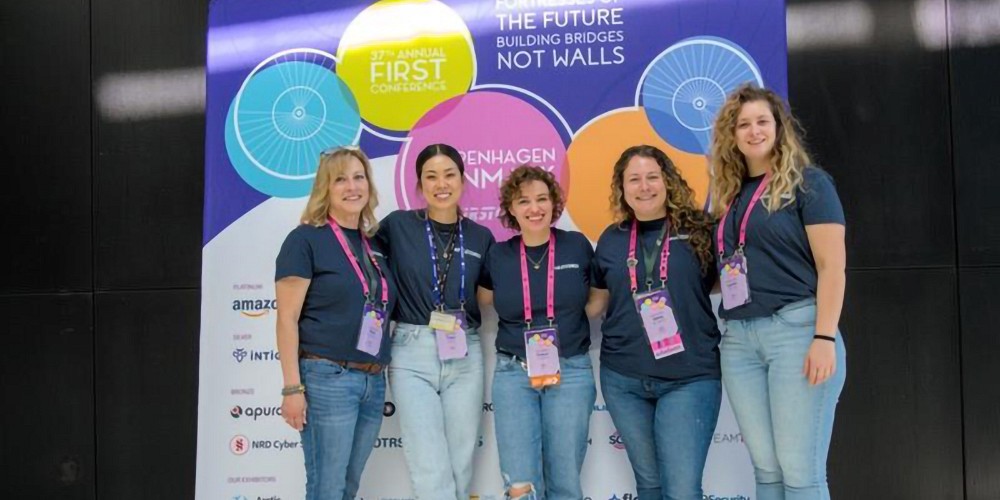
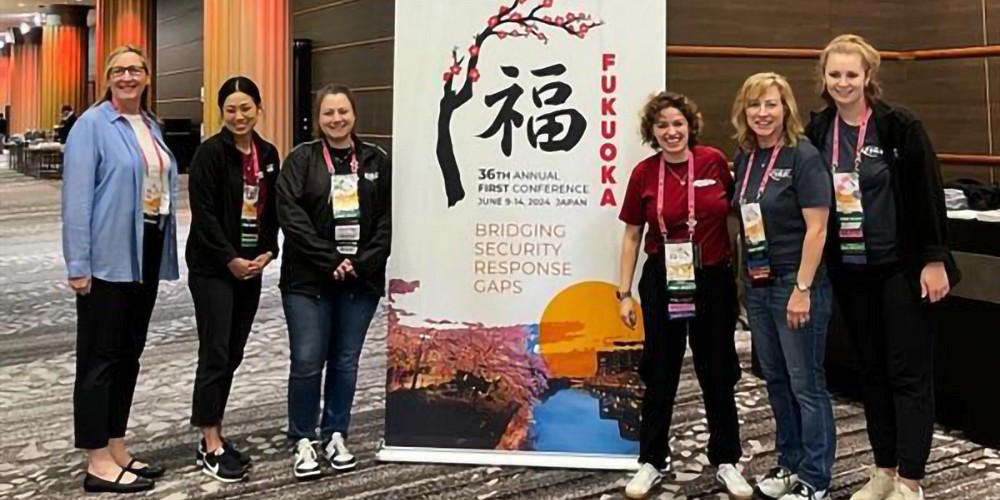
I sat down with my FIRST teammates, Traci Wei and Grace Staley from our events team, to dissect the complex machinery required to execute a large-scale professional cybersecurity event, like the annual FIRST conference.
Behind the scenes
FIRST is a global organization and getting everyone to the same spot is not as simple as picking a place.
The planning cycles, especially for big events like FIRSTCON, start years before the actual event. There needs to be a balance between attendee experience, risk management, and the unpredictable nature of international logistics. Because of this the team starts with a meticulously revised request for proposals (RFP) based on internal postmortems.
“Typically, we plan about two years out,” Traci explains, “because, especially since COVID, venues often refuse to guarantee pricing beyond that window.”
Price is only one consideration. There’s also the regional rotation: North America, Asia-Pacific, and Europe, although that can be set aside for other concerns.
Ease of travel for example. Can attendees easily, and relatively cheaply get to and from the venue from the airport? How long will that take? Is the city a hub or will people need to take a few different flights to get there? Can attendees walk to public transport or to nearby food and drink spots?
“For example, there are some cities we’ve looked at because they’re popular venues, but they would have been a nightmare at our current size. To get there you needed to take multiple trains and that would’ve been a disaster with thousands of delegates.”
This is, of course, setting aside other concerns like navigating complex immigration issues, the cost of flights, or visas.
Suffice it to say, a complex web of decisions has been made well before any single delegate steps through the doors.
What about the WiFi?
I was surprised to find out the technical requests for a FIRST conference aren’t much more complicated than a regular non-cybersecurity conference, even the Capture The Flag (CTF) spaces don’t have many special requirements. There are a few small wrinkles though.
“All these newer convention centers that have the infrastructure built for us to have our own SSIDs and maybe our infrastructure on a separate WiFi setup. And that's been pretty good. We've had no issue.”
“Usually, we just make sure they don't block ports and stuff for VPN usage. I think that's probably the biggest issue we've hit.”
Other technical requests have included air quality, especially after 2020, and all of those things get added to the RFP for future venues.
Psychology
“These events are like a six-day-long wedding,” says Traci, “where the goal is to make 90% of attendees happy.”
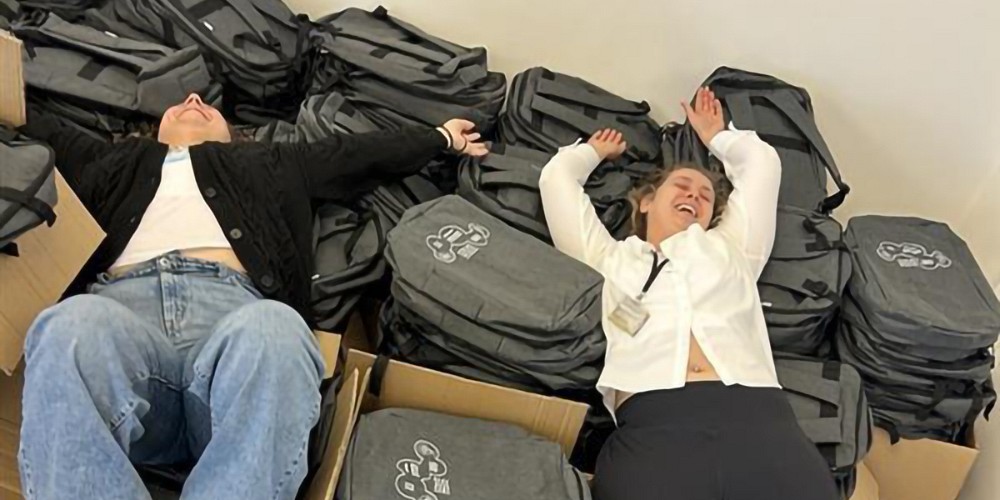
Happiness takes a lot of forms at an event of this size. It’s not just fast WiFi and great talks. There needs to be networking opportunities and fun and swag – t-shirts, bags and giveaways. The social events evolved from formal seated dinners to the current parties with stations and games to encourage mingling and avoid ‘social stagnation’.
But bottlenecks still happen, Traci and her team stress when they see things like a crowded lobby bar that leaves bartenders overwhelmed. The team sees every challenge and file it away to fix for the next one. A constant event evolution… “event-olution”? that’s probably a bit much.
And then there’s new ideas coming through. Conferences go through trends, like other social events. Photobooths, vendor stalls, lightning talks, badges, bags, polo shirts, t-shirts… it all changes over time.
Traci and Grace are excited about the new idea they’ve had for a new interactive activity in public areas. Poster boards for people to add writing and stickers and flags.
“We thought that would be a good interaction point for a lot of people. And the ‘newbie session’ (on the Sunday before the conference-proper starts) is still a new concept, but I feel like it needs to have more of a guided networking session, which would be awesome. So, the [events team] needs to sit down and put together.”
What next?
The team is currently looking at Anchorage, Auckland, and Costa Rica as potential future host cities. For the 2027 Bangkok event, Traci is having conversations with the Convention Bureau to book smaller hotel blocks for delegates to ensure a better social experience and avoid the price spikes seen in previous cities.
It never stops.
A successful conference is a series of invisible victories. While attendees may never notice the hours spent on hold with FedEx in Korea to release customs boxes or the strategic placement of signage to answer repetitive questions, these details create the seamless environment the community expects.
There is a ‘cult-like’ atmosphere at FIRSTCONs, from the newbie sessions, the flags on the name tags, the end of conference sessions where you find out how everyone was ‘infected’ with stickers. This is not just a result of the content at the conferences, but a byproduct of a dedicated team managing a chaotic symphony of logistics behind the scenes.